
Donald Shawler
LCPCIllinois · 20 yrs exp
Practical, person-centered support for adults
Stress, Anxiety · LGBT · Anger · Self esteem · +12 more
Read profileTherapist listings are provided by BetterHelp. We will earn a commission at no additional cost to you if you use our links to purchase.
This page groups profiles that list Impulsivity as a focus and highlights clinicians who list Motivational Interviewing among their approaches. Compare profiles by listed location, languages, credentials, and therapeutic style to find practitioners to learn more about.
Illinois · 20 yrs exp
Practical, person-centered support for adults
Stress, Anxiety · LGBT · Anger · Self esteem · +12 more
Read profile
Texas · 12 yrs exp
Practical, goal-focused therapy for everyday challenges
Stress, Anxiety · Self esteem · Career · Depression · +9 more
Read profile
Oklahoma · 30 yrs exp
Compassionate counselor who values dignity and hope
Stress, Anxiety · Grief · Intimacy-related issues · Depression · +8 more
Read profile
Michigan · 15 yrs exp
Encouraging, practical therapy for real-life challenges
Stress, Anxiety · Anger · Self esteem · Depression · +10 more
Read profile
South Dakota · 12 yrs exp
Straightforward therapy for real-life challenges
Stress, Anxiety · Relationship · Family · Trauma and abuse · +13 more
Read profile
Wisconsin · 11 yrs exp
Compassionate counselor focused on practical growth
Stress, Anxiety · Family · Trauma and abuse · Depression · +12 more
Read profile
Virginia · 14 yrs exp
Collaborative, goal-focused counseling in Virginia
Trauma and abuse · Grief · Coping with life changes · Compassion fatigue · +12 more
Read profile
South Carolina · 13 yrs exp
Practical, direct therapy for life changes
Stress, Anxiety · Family · Parenting · Self esteem · +10 more
Read profile
Louisiana · 14 yrs exp
Practical, person-centered help for life challenges
Stress, Anxiety · Parenting · Anger · Self esteem · +1 more
Read profile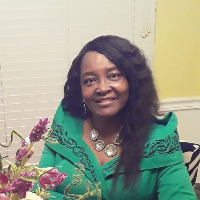
Florida · 20 yrs exp
Compassionate counselor focusing on practical change
Stress, Anxiety · Addictions · Relationship · Self esteem · +1 more
Read profile
Florida · 16 yrs exp
Practical support for change and healing
Stress, Anxiety · Trauma and abuse · Self esteem · Depression · +6 more
Read profile
Florida · 11 yrs exp
Compassionate, practical therapy for real-life change
Stress, Anxiety · Relationship · Parenting · Self esteem · +11 more
Read profile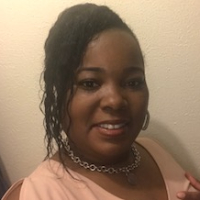
Louisiana · 10 yrs exp
Compassionate counselor focused on change
Stress, Anxiety · Trauma and abuse · Anger · Self esteem · +8 more
Read profile
South Carolina · 8 yrs exp
Practical therapy for stress and mood challenges
Stress, Anxiety · Trauma and abuse · Anger · Bipolar · +13 more
Read profile
Michigan · 10 yrs exp
Practical, strength-based support for life challenges
Stress, Anxiety · Addictions · Relationship · Family · +12 more
Read profile
Montana · 10 yrs exp
Listens first, supports practical change
Stress, Anxiety · Trauma and abuse · Grief · Parenting · +9 more
Read profile
Connecticut · 24 yrs exp
Therapist focused on practical change
Stress, Anxiety · Addictions · Family · Bipolar · +10 more
Read profile
Illinois · 39 yrs exp
Experienced LCSW focusing on motivation and coping
Stress, Anxiety · Relationship · Grief · Sleeping · +1 more
Read profile
Texas · 15 yrs exp
Practical support for life transitions and emotional health
Stress, Anxiety · Family · Parenting · Depression · +9 more
Read profile
Alabama · 14 yrs exp
Listener-focused counselor guiding practical change
Relationship · Trauma and abuse · Coping with life changes · Coaching · +12 more
Read profile
North Carolina · 20 yrs exp
Warm, practical counseling for life changes
Stress, Anxiety · Addictions · Anger · Depression · +7 more
Read profile
Mississippi · 15 yrs exp
Strength-focused counselor supporting practical change
Stress, Anxiety · Addictions · Relationship · Family · +5 more
Read profile
Wisconsin · 20 yrs exp
Experienced counselor focused on practical change
Stress, Anxiety · Self esteem · Career · Depression · +2 more
Read profile
Louisiana · 20 yrs exp
Calm guidance to set realistic goals
Stress, Anxiety · Family · Parenting · Anger · +9 more
Read profileImpulsivity shows up in many ways: acting before thinking, sudden decisions that feel hard to control, or repeatedly choosing short-term relief over longer-term goals. You may notice impulsive patterns in spending, eating, relationships, work habits, or how you respond to stress. Impulsive behavior is not a single diagnosis, and it can be experienced differently from person to person. When you begin looking for support, you are often trying to understand how those patterns affect your daily life and what practical steps you might take to change them.
People come to this kind of work with different priorities. Some want strategies to pause before acting. Others want to explore why they make certain choices in particular moments. Some are focusing on a specific habit while others want broader change in how they react to strong emotions. If you are comparing profiles, think about whether you want someone who emphasizes collaborative conversation, practical skills, or exploration of underlying patterns. Profiles on this page can help you identify practitioners who list Impulsivity as a focus and who list Motivational Interviewing among their approaches, but the profile details are a starting point for a conversation rather than a guarantee of a particular outcome.
This directory highlights clinicians who list Motivational Interviewing among their approaches. Motivational Interviewing is a collaborative conversation style that helps people explore their own reasons for change and mixed feelings about it, without lecturing. It is designed to meet you where you are and to surface your own motivations for taking different steps. It is used for many kinds of change - habits, health, relationships, work - and is not limited to any one concern such as substance use.
For impulsivity, Motivational Interviewing can be one way to explore what matters most to you and to strengthen your willingness to try different strategies. That approach may be offered alongside other options that a practitioner lists, and practitioners vary in how they combine conversational approaches with skills-based work or reflective exploration. Remember that profiles list approaches practitioners use or prefer; a listing does not establish specialist certification, particular training, or guaranteed outcomes. Use the profile details to identify clinicians whose described style matches how you like to work and ask direct questions about how they apply those approaches to impulsivity during your initial discussion.
When you review profiles, prepare specific questions that make it easier to compare how practitioners might fit your needs. Ask how they typically work with people who have impulsive patterns and whether they tend to focus on building awareness, developing moment-to-moment strategies, or addressing underlying emotional triggers. You can ask, How do you use Motivational Interviewing with someone who wants to reduce impulsive behaviors? or Can you describe an example of how you help clients move from insight to small, manageable changes?
Also ask about the populations they describe working with and how that relates to your situation. If you are concerned about impulsivity in specific contexts - such as at work, in relationships, or around money - ask whether they have experience addressing those contexts and how they adapt their approach. Ask about the blend of conversation and skills practice you can expect, for example whether sessions emphasize reflection and values clarification, or practical tools to pause and decide. Finally, ask how they measure progress in ways that matter to you, and what you might expect in the first few sessions in terms of topics you will cover together.
If you are planning to connect remotely, there are practical topics to raise before beginning. Talk about the communication tools they use and what to do if technology interrupts a session. Ask how they handle notes and record keeping, and whether they can share a session plan or resources between appointments. It is reasonable to ask how they approach safety planning if impulsivity includes actions that could lead to harm, and to clarify who you should contact in an emergency. These are questions about process and support rather than clinical promises.
Before starting, discuss the therapist's scope of practice for the issues you bring. A listed topic does not establish that the therapist treats children, couples, or families, so ask directly if the practitioner works with the age group or relationship type relevant to your needs. Also ask whether they collaborate with other professionals you may be seeing, such as GPs or specialists, and how they approach coordination when appropriate. A clear conversation about these operational details helps you decide whether a profile is a practical fit for how you want to engage in care.
Profiles contain a mix of descriptive details that can help you narrow choices. Focus areas and listed specialties indicate the clinician's common topics of work, but they do not verify training credentials or outcomes. When you look at credentials, note the difference between academic degrees and permissions to practice. A degree such as PhD, PsyD, MD, MA, or MSW describes educational background and is distinct from professional licensing, registration, or membership. In the United States, clinicians commonly list state licenses; in the United Kingdom practitioners may note registration with statutory bodies or membership in professional organizations; in Australia professionals may list registration or membership with national boards or associations. Degree titles do not, by themselves, establish current permission to practice, so ask about both education and the professional standing that matters in the listed location.
Language and interpersonal style are also important for how comfortable you feel during sessions. Look for profile details that describe the languages a clinician uses and any notes about their communication approach. When you contact a clinician, ask how they typically structure conversations, whether they prefer more directive or exploratory work, and how they involve you in setting goals. You might inquire about the kinds of resources they share between sessions and how they adapt tools to fit your daily life. All of these elements - focus areas, approaches such as Motivational Interviewing, education, registration or licensing relevant to the listed location, languages, and style - help you compare profiles in a concrete way.
Throughout your search, remember that profiles are a first step. Use the listed location and other profile details to form targeted questions, and discuss your specific needs, goals, and any safety concerns directly with a practitioner. This will help you decide whether a profile represents a clinician whose approach and experience align with what you want to work on. The goal is to find a fit where you can explore impulsivity, clarify your reasons for change, and consider practical next steps with a clinician who lists Motivational Interviewing among their approaches as one part of a broader practice.
Alabama
56 therapists
Alaska
9 therapists
Arizona
56 therapists
Arkansas
25 therapists
Australia
77 therapists
California
261 therapists
Colorado
82 therapists
Connecticut
45 therapists
Delaware
7 therapists
District of Columbia
11 therapists
Florida
360 therapists
Georgia
84 therapists
Hawaii
22 therapists
Idaho
19 therapists
Illinois
141 therapists
Indiana
78 therapists
Iowa
18 therapists
Kansas
31 therapists
Kentucky
56 therapists
Louisiana
64 therapists
Maine
27 therapists
Maryland
52 therapists
Massachusetts
60 therapists
Michigan
170 therapists
Minnesota
65 therapists
Mississippi
30 therapists
Missouri
83 therapists
Montana
18 therapists
Nebraska
19 therapists
Nevada
25 therapists
New Hampshire
10 therapists
New Jersey
87 therapists
New Mexico
31 therapists
New York
251 therapists
North Carolina
148 therapists
North Dakota
6 therapists
Ohio
136 therapists
Oklahoma
49 therapists
Oregon
34 therapists
Pennsylvania
173 therapists
Rhode Island
11 therapists
South Carolina
56 therapists
South Dakota
10 therapists
Tennessee
69 therapists
Texas
328 therapists
United Kingdom
294 therapists
Utah
24 therapists
Vermont
8 therapists
Virginia
53 therapists
Washington
71 therapists
West Virginia
12 therapists
Wisconsin
78 therapists
Wyoming
6 therapists