
Dr. Rebecca McDonough
LMHCFlorida · 32 yrs exp
Experienced counselor guiding personal change
LGBT · Grief · Self esteem · Coping with life changes · +1 more
Read profileTherapist listings are provided by BetterHelp. We will earn a commission at no additional cost to you if you use our links to purchase.
Compare profiles of professionals listed in this Florida location who include motivational interviewing among their approaches, focusing on practice areas, degrees, registrations and languages to find a good match for you.
Browse the listings below and review each profile to confirm whether a clinician can work with you where you live and to learn about their approach before you reach out.
Florida · 32 yrs exp
Experienced counselor guiding personal change
LGBT · Grief · Self esteem · Coping with life changes · +1 more
Read profile
Florida · 13 yrs exp
Compassionate counselor guiding practical change
Stress, Anxiety · Anger · Depression · Coping with life changes · +13 more
Read profile
Florida · 22 yrs exp
Practical support for stress and life changes
Stress, Anxiety · Self esteem · Depression · Coping with life changes · +5 more
Read profile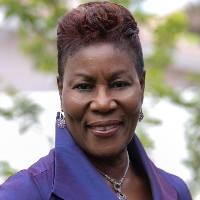
Florida · 21 yrs exp
Practical support for addiction and life changes
Addictions · Relationship · Family · Self esteem · +2 more
Read profile
Florida · 12 yrs exp
Experienced counselor focused on practical change
Stress, Anxiety · Addictions · Parenting · Depression · +8 more
Read profile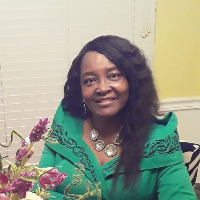
Florida · 20 yrs exp
Compassionate counselor focusing on practical change
Stress, Anxiety · Addictions · Relationship · Self esteem · +1 more
Read profile
Florida · 16 yrs exp
Practical support for change and healing
Stress, Anxiety · Trauma and abuse · Self esteem · Depression · +6 more
Read profile
Florida · 8 yrs exp
Collaborative, practical therapy for everyday struggles
Stress, Anxiety · Relationship · Family · Coping with life changes · +9 more
Read profile
Florida · 11 yrs exp
Compassionate, practical therapy for real-life change
Stress, Anxiety · Relationship · Parenting · Self esteem · +11 more
Read profile
Florida · 13 yrs exp
Compassionate, practical help for change
Stress, Anxiety · Addictions · Relationship · Trauma and abuse · +1 more
Read profile
Florida · 34 yrs exp
Compassionate counselor helping people move forward
Stress, Anxiety · Relationship · Trauma and abuse · Grief · +9 more
Read profile
Florida · 13 yrs exp
Change-focused therapist who listens first
Stress, Anxiety · Relationship · Trauma and abuse · Self esteem · +4 more
Read profile
Florida · 16 yrs exp
Warm, practical therapy for life changes
Grief · Coping with life changes · Stress, Anxiety · Relationship · +12 more
Read profile
Florida · 4 yrs exp
Compassionate support for practical change
Stress, Anxiety · Parenting · Anger · Addictions · +16 more
Read profile
Florida · 13 yrs exp
Compassionate counselor focused on motivation
Stress, Anxiety · Self esteem · Career · Coping with life changes · +9 more
Read profile
Florida · 6 yrs exp
Compassionate, practical support for lasting change
Stress, Anxiety · Family · Trauma and abuse · Grief · +13 more
Read profile
Florida · 11 yrs exp
Clear, goal-focused counseling for life challenges
Stress, Anxiety · Addictions · Depression · LGBT · +11 more
Read profile
Florida · 26 yrs exp
Practical therapy for stress and parenting challenges
Stress, Anxiety · Relationship · Family · Parenting · +9 more
Read profile
Florida · 10 yrs exp
Compassionate counselor focused on practical change
Stress, Anxiety · Addictions · Self esteem · Depression · +12 more
Read profile
Florida · 20 yrs exp
Calm practical guidance for change
Stress, Anxiety · Relationship · Anger · Self esteem · +8 more
Read profile
Florida · 12 yrs exp
Support to build steady mental health
Stress, Anxiety · Relationship · Family · Self esteem · +3 more
Read profile
Florida · 10 yrs exp
Collaborative, practical therapy for life challenges
Stress, Anxiety · Trauma and abuse · Grief · Depression · +8 more
Read profile
Florida · 12 yrs exp
Compassionate, practical therapy for life challenges
Stress, Anxiety · Parenting · Self esteem · Coping with life changes · +8 more
Read profile
Florida · 25 yrs exp
Trusted Florida LMHC focused on change
Stress, Anxiety · Addictions · Relationship · Depression · +1 more
Read profileWhen you start looking for help, clarity about what you want to change makes the search more useful. Motivational interviewing is a collaborative conversation style that helps people explore their own reasons for change and their mixed feelings about it without lecturing. It is used to support a wide range of goals - adjusting habits, managing health choices, improving relationships, or making career and lifestyle changes. Because it centers your own values and motivations, it can be combined with other approaches depending on the clinician and your goals.
As you read profiles, think about what matters most to you. Are you looking for someone to help you clarify goals, to weigh pros and cons, or to develop a plan you feel ready to try? Some professionals list motivational interviewing among several approaches they use, while others may highlight it as a primary style. That listing signals a conversational, client-centered orientation, but it does not guarantee a specific pathway or outcome. Use it as a starting point to find profiles that align with your preferences and to prepare questions about how that approach would look in your work together.
This directory groups profiles under the listed location Florida so you can focus your search geographically, but a listed location does not by itself confirm an office, a practice address, or a clinician's permission to work with you where you live. You should open individual profiles to see the details they provide and confirm whether the clinician is able to provide services to people in your area. The profiles may include statements about services or formats, but it is up to you to verify that a clinician is authorized to practice with you in your jurisdiction.
Degrees and professional permissions are not the same. Academic qualifications such as PhD, PsyD, MD, MA, or MSW indicate completed education but do not automatically indicate current permission to provide services. In the United States, professionals commonly list state licenses; in the United Kingdom and Australia, clinicians often list registrations or memberships with national bodies. Read profiles carefully to note both the academic degree and any licensing, registration, or membership information the practitioner supplies. If a profile does not make this clear, ask the clinician directly about their current permission to practice where you live and how that relates to their degree or memberships.
Preparing concrete questions before you reach out helps you make efficient use of a profile and any initial conversation. Ask how they typically use motivational interviewing in sessions - do they focus on exploring ambivalence, helping you set small experiments, or integrating motivational interviewing with other therapeutic approaches? Request examples of how they might structure early conversations to clarify goals, and ask how they measure progress from your perspective. These are practical questions that reveal whether their style of working matches how you like to collaborate.
You might also ask about their experience with issues similar to yours. Ask for the kinds of client concerns they have worked with recently and how they tailor conversations around motivation for different situations. Avoid assuming that a listed approach means expertise in a specific population; instead, ask about relevant experience, comfort with your concerns, and whether they have worked with people in similar life circumstances. Keep the focus on how they adapt their conversational style and techniques to suit your priorities.
If you are considering reaching out to a practitioner who offers online sessions, there are specific topics to clarify up front. Confirm whether they can legally and ethically work with you in your state or country, and ask how they handle scenarios where jurisdiction matters. Discuss the platforms they use for remote conversations, how they manage appointment scheduling and cancellations, and what you can expect in a typical session structure. These practical details help you feel prepared and reduce friction when you begin.
It is also useful to talk about communication preferences and boundaries. Ask how they recommend following up between meetings if you want to share progress or ask questions, and whether they offer brief check-ins or prefer messages to be saved for sessions. Make sure you understand how records and notes are kept and who has access to them, so you know what to expect about documentation of your work together. These conversations do not replace care decisions, but they help you decide whether a clinician's practical arrangements fit your needs.
When comparing profiles, look beyond a single phrase and examine how a clinician describes their focus areas and approach. Some profiles emphasize life transitions, health behavior change, or workplace stress, while others describe work with mood or relationship concerns. Pay attention to the language used to describe typical goals and the examples they give of client work. This tells you whether they commonly work with issues similar to yours and whether their therapeutic priorities align with your own.
Languages and cultural competence can be decisive factors. If you prefer to work in a particular language, look for profiles that list that language and mention cultural experience relevant to your background. Consider how a clinician describes their therapeutic style - are they directive or reflective, structured or exploratory? Motivational interviewing typically emphasizes reflective listening, open questions, and collaboration, but clinicians will vary in how they blend that with other methods. Finally, compare credentials with the understanding that degrees such as PhD or MSW speak to academic training, while licensing, registration, or professional memberships indicate permission or affiliation in particular jurisdictions. Use those distinctions to form informed questions for the clinician about how their training and permissions relate to your needs.
As you move from browsing to contacting someone, carry the comparisons you have made into your initial conversations. Confirm that the clinician can work with you where you live, discuss how motivational interviewing would be applied in your case, and ask the specific practical questions that matter to you. Taking a focused, practical approach to comparing profiles helps you find a professional whose credentials, language skills, and conversational style fit the kind of support you want as you work toward change.
Addictions
2065 therapists
ADHD
1557 therapists
Anger
2322 therapists
Chronic Illness
454 therapists
Chronic Pain
454 therapists
Control Issues
1205 therapists
Depression
3520 therapists
Eating Disorders
578 therapists
Gambling
407 therapists
Grief
2614 therapists
Guilt and Shame
2199 therapists
Impulsivity
1044 therapists
Isolation / Loneliness
1979 therapists
Midlife Crisis
872 therapists
Mood Disorders
1667 therapists
Self Esteem
3455 therapists
Sleeping Disorders
685 therapists
Smoking
173 therapists
Social Anxiety and Phobia
1878 therapists
Stress & Anxiety
3815 therapists
Trauma and Abuse
2835 therapists
Vaping
173 therapists
Aging and Geriatric Issues
556 therapists
Body Image
761 therapists
Career
1908 therapists
Caregiver Issues and Stress
1398 therapists
Coaching
999 therapists
Codependency
1066 therapists
Communication Problems
2557 therapists
Coping with Life Changes
3171 therapists
Divorce
1270 therapists
Family
2582 therapists
Forgiveness
1912 therapists
Life Purpose
2240 therapists
Money and Financial Issues
541 therapists
Parenting
2089 therapists
Relationship
3011 therapists
Self-Love
2307 therapists
Separation
1270 therapists
Workplace Issues
1468 therapists