
Alissa Bohmann
LPCWisconsin · 11 yrs exp
Compassionate counselor focused on practical growth
Stress, Anxiety · Family · Trauma and abuse · Depression · +12 more
Read profileTherapist listings are provided by BetterHelp. We will earn a commission at no additional cost to you if you use our links to purchase.
Compare Wisconsin profiles of clinicians who list motivational interviewing - review focus areas, professional credentials, languages and therapeutic style to see who might fit your needs.
Browse profiles to learn more, and be sure to check each profile and confirm that a clinician can work with you where you live before making contact.
Wisconsin · 11 yrs exp
Compassionate counselor focused on practical growth
Stress, Anxiety · Family · Trauma and abuse · Depression · +12 more
Read profile
Wisconsin · 11 yrs exp
Therapist focused on practical change
Stress, Anxiety · Relationship · Family · Self esteem · +6 more
Read profile
Wisconsin · 20 yrs exp
Experienced counselor focused on practical change
Stress, Anxiety · Self esteem · Career · Depression · +2 more
Read profile
Wisconsin · 5 yrs exp
Warm, practical counseling with motivational focus
Stress, Anxiety · Relationship · Trauma and abuse · Parenting · +9 more
Read profile
Wisconsin · 6 yrs exp
Therapist focused on practical change
Stress, Anxiety · Trauma and abuse · Bipolar · Depression · +5 more
Read profile
Wisconsin · 12 yrs exp
Compassionate, motivational approach to practical change
Stress, Anxiety · Family · Parenting · Depression · +7 more
Read profile
Wisconsin · 21 yrs exp
Motivation-focused counselor for life changes
Stress, Anxiety · Addictions · Relationship · Self esteem · +10 more
Read profile
Wisconsin · 30 yrs exp
Experienced LCSW focused on practical change
Stress, Anxiety · Grief · Eating · Self esteem · +1 more
Read profile
Wisconsin · 7 yrs exp
Experienced LCSW focused on motivation and change
Stress, Anxiety · Addictions · Family · Parenting · +1 more
Read profile
Wisconsin · 18 yrs exp
Compassionate counseling focused on practical change
Stress, Anxiety · Family · Trauma and abuse · Depression · +11 more
Read profile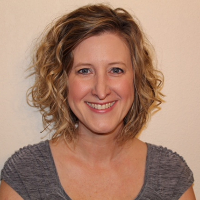
Wisconsin · 24 yrs exp
Motivational, practical therapy focused on change
Stress, Anxiety · Relationship · Intimacy-related issues · Parenting · +9 more
Read profile
Wisconsin · 11 yrs exp
Compassionate, practical support for change
Stress, Anxiety · Relationship · Family · Trauma and abuse · +16 more
Read profile
Wisconsin · 15 yrs exp
Change-focused therapist using practical strategies
Stress, Anxiety · Relationship · Grief · Depression · +12 more
Read profile
Wisconsin · 14 yrs exp
Compassionate, practical counseling with clear goals
Stress, Anxiety · Trauma and abuse · Self esteem · Depression · +10 more
Read profile
Wisconsin · 9 yrs exp
Trauma-informed LCSW focusing on lasting change
Stress, Anxiety · Addictions · LGBT · Trauma and abuse · +5 more
Read profile
Wisconsin · 26 yrs exp
Experienced counselor with practical focus
Stress, Anxiety · Self esteem · Career · Coping with life changes · +11 more
Read profile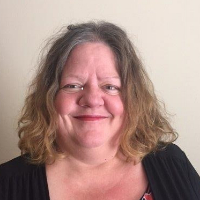
Wisconsin · 4 yrs exp
Compassionate counselor focused on practical change
Stress, Anxiety · Relationship · Parenting · Self esteem · +9 more
Read profile
Wisconsin · 30 yrs exp
Therapist offering practical, compassionate support
Stress, Anxiety · Addictions · Relationship · Family · +15 more
Read profile
Wisconsin · 9 yrs exp
Skilled LCSW offering practical, honest support
Stress, Anxiety · Trauma and abuse · Parenting · Depression · +8 more
Read profile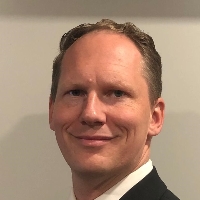
Wisconsin · 11 yrs exp
Motivation-focused, practical counseling for life changes
Stress, Anxiety · Relationship · Trauma and abuse · Self esteem · +12 more
Read profile
Wisconsin · 8 yrs exp
Warm collaborative LCSW focused on practical change
Stress, Anxiety · Depression · Coping with life changes · Relationship · +7 more
Read profile
Wisconsin · 3 yrs exp
Empathetic collaborator focused on practical steps
Trauma and abuse · Self esteem · Career · Bipolar · +11 more
Read profile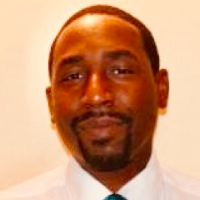
Wisconsin · 3 yrs exp
A practical, motivational approach to change
Career · Stress, Anxiety · Relationship · Trauma and abuse · +6 more
Read profile
Wisconsin · 5 yrs exp
Practical, goal-focused counseling with Motivational Interviewing
Stress, Anxiety · Addictions · Relationship · Anger · +11 more
Read profileDeciding to seek help for a habit, a health goal, a relationship shift, or a career move often starts with questions about what feels most important to you and how you want to be supported. Motivational interviewing is a collaborative conversation style designed to help you explore your own reasons for change and any mixed feelings you may have, without being lectured. Therapists who list motivational interviewing among their approaches use it in different ways - sometimes as a primary stance, sometimes blended with other methods - and it can be applied to many kinds of change, not only substance use. When you read profiles, pay attention to the specific goals and populations each clinician highlights so you can judge how closely their focus matches your priorities.
Keep in mind that a listed topic does not automatically mean a clinician treats children, couples, or families. You should raise your particular needs directly with a clinician to understand their actual scope of practice. Descriptions of approach and experience on profiles are a starting point for conversations rather than a guarantee of a particular outcome.
This page groups profiles under the listed location Wisconsin as a way to help you find clinicians who identify that region in their profiles. A listed location is not by itself evidence of an office at that address, physical proximity, or an active permission to practice in that state. You should check the individual profile and confirm with the clinician that they are permitted to work with people where you live before proceeding. That confirmation matters especially if you are connecting across state lines or from another country.
Profiles may show academic degrees such as PhD, PsyD, MD, MA or MSW. Academic degrees indicate what someone studied, and they are distinct from professional licenses, registrations or memberships that indicate legal permission or professional oversight. In the United States, clinicians commonly hold licenses that are issued by state boards. In the United Kingdom and Australia, clinicians may list professional registrations or memberships with governing bodies or associations. A degree alone does not establish that someone currently has permission to practice; look for license or registration details on the profile and ask directly if you need clarification.
When you contact a clinician, specific questions will help you compare how they work rather than relying on broad labels. You might ask how they typically use motivational interviewing in sessions - whether it is their main approach or integrated with other methods - and request examples of what a first few sessions often focus on. It is reasonable to ask about their experience helping people with concerns similar to yours and the kinds of goals those clients pursued. If cultural background, faith, or identity are important to you, ask how they approach culturally informed care and whether they have experience working with people who share aspects of your background.
Another useful area to explore is therapeutic style. Some clinicians take a collaborative, exploratory stance while others are more directive or skills-focused - asking them to describe a typical session helps you picture whether their style will feel comfortable. You can also ask how they track progress or how they know when a person’s goals are changing. If a profile lists other approaches - for example, therapists who list EMDR among their approaches - remember that this indicates a stated approach on the profile and is not evidence of specialty certification. Use those mentions to prompt focused questions about how and when those approaches are used in practice.
If you are considering online or remote sessions, there are several practical matters to cover before beginning. Confirm that the clinician is permitted to offer care to people in your state or country, and ask how they handle consent and documentation for remote work. Discuss the technology you will use, whether sessions will be audio-only or include video, and what steps are in place to protect your personal information. You should also agree on where you will be during sessions - finding a private space in your home or another location helps ensure you can speak freely and maintain boundaries.
It is important to talk through safety and emergency planning in the remote context. Ask how the clinician responds if you have an urgent concern between sessions, what local resources they would suggest in an emergency, and how they coordinate care with other providers if needed. Clarify practical policies such as session length, cancellation terms, and how to reschedule, so there are no surprises. These logistical conversations are part of creating a working arrangement that fits your circumstances and helps you focus on the goals you want to pursue.
Comparing profiles is most useful when you look at several specific elements in parallel. Read the focus areas and clinical concerns each clinician highlights to see who mentions work similar to what you want to address. Note language skills if communicating in a particular language matters to you; many profiles list which languages a clinician uses in sessions and this can be decisive if nuances of conversation are important. For credentials, distinguish academic degrees from licenses, registrations or memberships, and check the profile for any notes about professional oversight. When in doubt, ask the clinician to confirm what their credentials mean in practical terms.
Style and the way a clinician talks about goals often reveal whether you will feel comfortable with their approach. Some clinicians describe a collaborative, client-led process, while others emphasize skill-building or structured plans - think about which style matches how you like to work. If a profile mentions other therapeutic approaches, use that as a prompt to ask how those approaches are combined with motivational interviewing and how that combination might help with your particular goals. Lastly, look for evidence of experience with specific populations, settings or life stages that align with your circumstances, and use those details to prioritize profiles you want to contact.
Browsing Wisconsin profiles on ChangeAtYourPace.org can help you create a shortlist of clinicians whose approach and background align with your goals. Read profiles carefully, prepare focused questions, and confirm a clinician's permission to work with you where you live before moving forward. That way you can have clearer conversations about how motivational interviewing and other approaches might support the changes you want to make.
Addictions
2065 therapists
ADHD
1557 therapists
Anger
2322 therapists
Chronic Illness
454 therapists
Chronic Pain
454 therapists
Control Issues
1205 therapists
Depression
3520 therapists
Eating Disorders
578 therapists
Gambling
407 therapists
Grief
2614 therapists
Guilt and Shame
2199 therapists
Impulsivity
1044 therapists
Isolation / Loneliness
1979 therapists
Midlife Crisis
872 therapists
Mood Disorders
1667 therapists
Self Esteem
3455 therapists
Sleeping Disorders
685 therapists
Smoking
173 therapists
Social Anxiety and Phobia
1878 therapists
Stress & Anxiety
3815 therapists
Trauma and Abuse
2835 therapists
Vaping
173 therapists
Aging and Geriatric Issues
556 therapists
Body Image
761 therapists
Career
1908 therapists
Caregiver Issues and Stress
1398 therapists
Coaching
999 therapists
Codependency
1066 therapists
Communication Problems
2557 therapists
Coping with Life Changes
3171 therapists
Divorce
1270 therapists
Family
2582 therapists
Forgiveness
1912 therapists
Life Purpose
2240 therapists
Money and Financial Issues
541 therapists
Parenting
2089 therapists
Relationship
3011 therapists
Self-Love
2307 therapists
Separation
1270 therapists
Workplace Issues
1468 therapists