
Dawn Nunney
NCPSUnited Kingdom · 8 yrs exp
Human-centred counsellor focused on practical change
Stress, Anxiety · Relationship · Grief · Self esteem · +15 more
Read profileTherapist listings are provided by BetterHelp. We will earn a commission at no additional cost to you if you use our links to purchase.
On this page you can compare profiles for therapists who list motivational interviewing in the listed location United Kingdom, examining focus areas, professional credentials, languages and therapeutic style. Browse the profiles below to learn about practitioners and to make contact with those you would like to speak to further. Before you reach out, check each individual profile and confirm that the practitioner has permission to work with you where you live.
United Kingdom · 8 yrs exp
Human-centred counsellor focused on practical change
Stress, Anxiety · Relationship · Grief · Self esteem · +15 more
Read profile
United Kingdom · 9 yrs exp
Compassionate, practical counsellor for life changes
Stress, Anxiety · Relationship · Family · Trauma and abuse · +12 more
Read profile
United Kingdom · 23 yrs exp
Calm, practical counselling for life changes
Stress, Anxiety · LGBT · Relationship · Anger · +5 more
Read profile
United Kingdom · 5 yrs exp
Experienced, goal-focused counsellor
Stress, Anxiety · Grief · Self esteem · Depression · +11 more
Read profile
United Kingdom · 6 yrs exp
Practical, compassionate counselling for life changes
Stress, Anxiety · Relationship · Self esteem · Depression · +13 more
Read profile
United Kingdom · 20 yrs exp
Compassionate counsellor for life changes
Relationship · Family · Grief · Depression · +14 more
Read profile
United Kingdom · 5 yrs exp
Compassionate, practical counselling for life changes
Parenting · Anger · Self esteem · Coping with life changes · +15 more
Read profile
United Kingdom · 3 yrs exp
Experienced counsellor focused on practical change
Stress, Anxiety · Grief · Self esteem · Depression · +10 more
Read profile
United Kingdom · 11 yrs exp
Warm, practical counselling for life changes
Stress, Anxiety · Relationship · Trauma and abuse · Self esteem · +11 more
Read profile
United Kingdom · 7 yrs exp
Supportive counsellor for anxiety and addiction recovery
Stress, Anxiety · Addictions · Self esteem · Depression · +5 more
Read profile
United Kingdom · 7 yrs exp
Compassionate counsellor for change
Stress, Anxiety · Trauma and abuse · Self esteem · Depression · +13 more
Read profile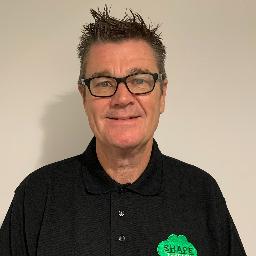
United Kingdom · 5 yrs exp
Person-centred counsellor with lived experience
Stress, Anxiety · Addictions · Relationship · Family · +14 more
Read profile
United Kingdom · 14 yrs exp
Practical, goal oriented counselling for recovery
Addictions · Self esteem · Career · Coping with life changes · +12 more
Read profile
United Kingdom · 15 yrs exp
Experienced counsellor focused on motivation and relationships
Stress, Anxiety · Relationship · Family · Self esteem · +10 more
Read profile
United Kingdom · 4 yrs exp
Steady, collaborative counselling for life changes
Stress, Anxiety · Relationship · Self esteem · Depression · +12 more
Read profile
United Kingdom · 6 yrs exp
Experienced integrative counsellor for life challenges
Stress, Anxiety · Addictions · Relationship · Trauma and abuse · +16 more
Read profile
United Kingdom · 8 yrs exp
Experienced counsellor focused on personal change
Stress, Anxiety · Relationship · Family · Trauma and abuse · +7 more
Read profile
United Kingdom · 5 yrs exp
Motivational, practical counselling for everyday change
Stress, Anxiety · Relationship · Family · Grief · +10 more
Read profile
United Kingdom · 7 yrs exp
Clear direction for people feeling stuck
Stress, Anxiety · Relationship · Trauma and abuse · Self esteem · +13 more
Read profile
United Kingdom · 5 yrs exp
Calm support for change and coping
Stress, Anxiety · Self esteem · Career · Depression · +1 more
Read profile
United Kingdom · 3 yrs exp
Person-centred counsellor with practical focus
Stress, Anxiety · Trauma and abuse · Self esteem · Career · +9 more
Read profile
United Kingdom · 4 yrs exp
Practical, reflective therapy for life changes
LGBT · Relationship · Family · Parenting · +13 more
Read profile
United Kingdom · 14 yrs exp
Curious, practical counselling for life transitions
Stress, Anxiety · Trauma and abuse · Grief · Eating · +14 more
Read profile
United Kingdom · 11 yrs exp
Supportive counsellor for life changes
Relationship · Trauma and abuse · Anger · Self esteem · +14 more
Read profileMotivational interviewing is a collaborative conversation style meant to help you explore your own reasons for change and any mixed feelings you may have, without being lectured. It is focused on drawing out motivations, clarifying values and supporting self-directed steps. People work with it for many types of change - from shifting everyday habits to rethinking health choices, relationships or work-related adjustments. It is not limited to any single problem area and does not guarantee results, but it can be a helpful conversational approach to consider when you want to explore change.
This page groups profiles under the listed location United Kingdom because each profile notes motivational interviewing among its clinical approaches. That note is not evidence of a particular certification or a guarantee of a specific practice style. Use the grouping to find practitioners whose described focus and approach match what you are looking for, and then read individual profiles closely to learn more about each clinician's background, areas of interest and how they describe their work.
The listed location on a profile is a helpful starting point when you prefer someone in a particular country, but it does not automatically mean an in-person office is nearby or that the clinician is available to work with everyone in that area. Some therapists note a listed location while working primarily online, while others may have bases in different towns. Always check the profile for details and confirm directly whether they can offer care to someone living where you do.
When you look at credentials, you will see a mixture of academic degrees and professional registrations or memberships. Degrees such as PhD, PsyD, MD, MA and MSW describe academic education. These degrees tell you about study history but do not, by themselves, confirm current permission to practise. In the United Kingdom, many practitioners hold membership or registration with professional bodies such as those for counselling, psychotherapy or clinical psychology. Membership terms and registration requirements vary by profession. It is useful to note both a clinician's academic qualifications and any professional membership or registration they list, and to ask directly about what those affiliations mean for their practice and for your situation.
When you read profiles, think about concrete questions that reveal how motivational interviewing fits into a practitioner's work. You might ask, How do you use motivational interviewing in sessions - is it the main approach or one of several? Can you describe how you work with someone who is uncertain about change? Do you combine it with other approaches, and if so, how do those approaches interact? You can also ask about the types of issues they commonly work with so you understand whether their experience matches your concerns, and request examples of the kinds of goals people tend to bring to them.
It is reasonable to enquire about the clinician's experience with particular life challenges you face without asking for guarantees. Questions such as What have you found helpful when working with someone trying to change a long-standing habit? or How do you support people who feel stuck between two choices? invite practical description. Always avoid assuming that listing motivational interviewing means the therapist treats every client group - ask directly whether they have experience with the particular age group or situation you are thinking about.
If you are considering online or remote sessions, there are important topics to cover before you begin. Ask whether the practitioner is able to offer care to people living where you are, and whether any geographic rules or professional requirements affect that arrangement. Talk about what platform or communication method they use and how they handle matters like appointment scheduling, cancellations and documentation. Clarify how they manage urgent concerns and what you should do in an emergency or crisis situation, because a remote working arrangement may require a different plan than in-person care.
It is also helpful to set expectations about session structure and collaborative working - for instance, whether they prioritise goal setting, how they track progress, and how much homework or between-session work they recommend. Be explicit about your needs and preferences: you could ask How much structure do you bring to sessions? or How would you tailor conversations about motivation if I am very unsure about making a change? Clear upfront conversation helps you and the practitioner decide whether their way of working fits what you are seeking.
When you compare profiles, try to weigh the specific focus areas a clinician highlights alongside the languages they speak and the ways they describe their therapeutic style. Some therapists emphasise work with habit change, others with health behaviour, relationships or workplace issues. If language is important to you, note whether a practitioner lists the language you prefer and ask how they switch between languages in sessions if that matters. Consider also whether the profile mentions particular populations they work with, but remember to ask directly about scope rather than assuming it from a short description.
Pay attention to how a practitioner describes their style. Do they describe themselves as collaborative and exploratory, or more solution-focused and directive? You can form a clearer impression by reading sample wording on a profile and then using specific questions like What is a typical first session like with you? or How do you help people decide what to try between sessions? to get practical detail. Look for profiles that explain both the issues they focus on and the kind of therapeutic relationship they aim to build, then contact those whose descriptions resonate to learn more. Above all, confirm that the practitioner has permission to work with you in the United Kingdom where you live, and discuss any practical matters before deciding to proceed.
Use the profiles in this listed location to narrow your search by focus, language and the ways practitioners describe motivational interviewing in their work. Reach out with the specific questions suggested here to learn how a clinician might approach the issues you bring. Taking a few minutes to clarify credentials, permission to practise where you live and the practicalities of working together will help you make a more informed choice about who to contact next.
Addictions
2065 therapists
ADHD
1557 therapists
Anger
2322 therapists
Chronic Illness
454 therapists
Chronic Pain
454 therapists
Control Issues
1205 therapists
Depression
3520 therapists
Eating Disorders
578 therapists
Gambling
407 therapists
Grief
2614 therapists
Guilt and Shame
2199 therapists
Impulsivity
1044 therapists
Isolation / Loneliness
1979 therapists
Midlife Crisis
872 therapists
Mood Disorders
1667 therapists
Self Esteem
3455 therapists
Sleeping Disorders
685 therapists
Smoking
173 therapists
Social Anxiety and Phobia
1878 therapists
Stress & Anxiety
3815 therapists
Trauma and Abuse
2835 therapists
Vaping
173 therapists
Aging and Geriatric Issues
556 therapists
Body Image
761 therapists
Career
1908 therapists
Caregiver Issues and Stress
1398 therapists
Coaching
999 therapists
Codependency
1066 therapists
Communication Problems
2557 therapists
Coping with Life Changes
3171 therapists
Divorce
1270 therapists
Family
2582 therapists
Forgiveness
1912 therapists
Life Purpose
2240 therapists
Money and Financial Issues
541 therapists
Parenting
2089 therapists
Relationship
3011 therapists
Self-Love
2307 therapists
Separation
1270 therapists
Workplace Issues
1468 therapists