
Danielle Rose
LICSWMassachusetts · 11 yrs exp
Collaborative, steady care for life changes
Stress, Anxiety · LGBT · Self esteem · Depression · +6 more
Read profileTherapist listings are provided by BetterHelp. We will earn a commission at no additional cost to you if you use our links to purchase.
This Massachusetts listed location helps you compare profiles of professionals who list motivational interviewing and other approaches, letting you weigh focus areas, credentials, languages, and therapeutic style. Browse the profiles below and check each individual profile to confirm whether the practitioner has permission to work with you where you live.
Massachusetts · 11 yrs exp
Collaborative, steady care for life changes
Stress, Anxiety · LGBT · Self esteem · Depression · +6 more
Read profile
Massachusetts · 4 yrs exp
Calm, practical support for life changes
Stress, Anxiety · Addictions · Relationship · Depression · +1 more
Read profile
Massachusetts · 16 yrs exp
Warm, practical support for anxiety and life changes
Stress, Anxiety · Self esteem · Depression · Coping with life changes
Read profile
Massachusetts · 25 yrs exp
Motivation-focused, practical therapy
Stress, Anxiety · Addictions · Relationship · Self esteem · +9 more
Read profile
Massachusetts · 8 yrs exp
Collaborative, practical help for stress and change
Stress, Anxiety · Addictions · Relationship · Self esteem · +8 more
Read profile
Massachusetts · 14 yrs exp
Skilled therapist helping people make change
Stress, Anxiety · Self esteem · Depression · Addictions · +5 more
Read profile
Massachusetts · 6 yrs exp
Practical, collaborative support for real-life change
Stress, Anxiety · Relationship · Family · Self esteem · +16 more
Read profile
Massachusetts · 12 yrs exp
Compassionate LMHC focused on practical change
Stress, Anxiety · Self esteem · Depression · Coping with life changes · +8 more
Read profile
Massachusetts · 13 yrs exp
Practical, warm counseling focused on change
Stress, Anxiety · Relationship · Self esteem · Depression · +11 more
Read profile
Massachusetts · 14 yrs exp
Direct, goal-focused therapy with a collaborative style
Stress, Anxiety · Self esteem · Depression · Coaching · +5 more
Read profile
Massachusetts · 15 yrs exp
Practical support for people facing stressful times
Stress, Anxiety · Self esteem · Career · Depression · +13 more
Read profile
Massachusetts · 25 yrs exp
Practical, goal-focused therapy for adults
Stress, Anxiety · Grief · Depression · Coping with life changes · +5 more
Read profile
Massachusetts · 14 yrs exp
Compassionate counselor focused on practical change
Stress, Anxiety · Relationship · Self esteem · Depression · +8 more
Read profile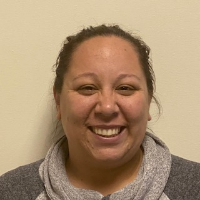
Massachusetts · 15 yrs exp
Compassionate, practical support for life changes
Stress, Anxiety · LGBT · Depression · Addictions · +8 more
Read profile
Massachusetts · 10 yrs exp
Motivation-focused counselor for practical change
Stress, Anxiety · Grief · Self esteem · Depression · +13 more
Read profile
Massachusetts · 18 yrs exp
Practical, compassionate therapy for life’s challenges
Stress, Anxiety · Relationship · Family · Trauma and abuse · +12 more
Read profile
Massachusetts · 15 yrs exp
Strengths-focused, motivational mental health support
Stress, Anxiety · Family · Trauma and abuse · Self esteem · +8 more
Read profile
Massachusetts · 8 yrs exp
Supportive counselor focused on practical change
Stress, Anxiety · Addictions · Trauma and abuse · Depression · +9 more
Read profile
Massachusetts · 20 yrs exp
Practical, collaborative therapy for life changes
Stress, Anxiety · Relationship · Career · Depression · +11 more
Read profile
Massachusetts · 40 yrs exp
Experienced LICSW focused on personal change
Stress, Anxiety · Addictions · LGBT · Relationship · +15 more
Read profile
Massachusetts · 10 yrs exp
Warm, practical therapy focused on change
Trauma and abuse · Grief · Self esteem · Coping with life changes · +15 more
Read profile
Massachusetts · 11 yrs exp
Collaborative, practical therapy with a warm approach
Stress, Anxiety · Depression · ADHD · LGBT · +9 more
Read profile
Massachusetts · 25 yrs exp
Experienced LICSW helping with life changes
Stress, Anxiety · Addictions · Relationship · Depression · +11 more
Read profile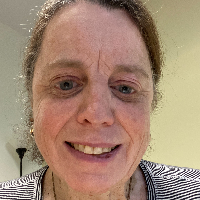
Massachusetts · 3 yrs exp
Therapist focused on practical change
Stress, Anxiety · Addictions · Trauma and abuse · Self esteem · +2 more
Read profileWhen you begin searching, start by naming the change you want to explore. Motivational interviewing is a collaborative conversation style that helps you examine your own reasons for change and any mixed feelings you may have, without lecturing. It can be used to support many kinds of change - shifting habits, addressing health goals, navigating relationship choices, or changing work patterns. It is not limited to substance use, and not every practitioner uses it in the same way, so thinking through what matters most to you helps you match with a profile that sounds relevant.
Picture the specific situations that cause you the most difficulty, and consider how you would notice progress. If you want to compare profiles, look for language that speaks to your concern and describes a collaborative, client-centered approach. Pay attention to how a practitioner frames outcomes - whether they describe supporting motivation, exploring ambivalence, or helping you set personally meaningful goals. Those details give you a clearer sense of how motivational interviewing may be offered alongside other approaches to suit your aims.
The listed location tag groups profiles associated with Massachusetts, but it does not guarantee a physical office or imply geographic proximity in every case. A listed location is an index label on a profile, so you should review each profile carefully and confirm directly whether the practitioner has permission to work with you where you live. That is especially important if you plan to receive care across state or international lines.
Profiles often include academic degrees and separate statements about professional permission to practice. Academic degrees such as PhD, PsyD, MD, MA, or MSW indicate completed education but do not by themselves establish current legal permission to provide care. In the United States, clinicians typically hold state licenses; in the United Kingdom and Australia, practitioners may list registrations or professional memberships. Check the profile text for the specific credentialing language and jurisdiction, and ask the practitioner to confirm current status and whether they are authorized to work with you in Massachusetts if that matters for your situation.
When you contact a practitioner or read a profile, use specific questions that illuminate how they work. Ask how they incorporate motivational interviewing into their conversations and whether they typically combine it with other approaches that you have read about. If a profile mentions cognitive-behavioral ideas, psychodynamic perspectives, or other orientations, remember that the profile shows approaches the practitioner lists, not proof of a particular certification or outcome.
It is useful to inquire about experience with your particular concern and population. Ask whether the practitioner has worked with people facing similar situations and how they define a successful engagement. You can request examples of how they help clients explore ambivalence, what a typical early session might focus on, and how they support goal-setting tailored to your priorities. Also consider asking about the practitioner's language abilities and whether they can work in the language you prefer. These questions help you go beyond general descriptions and see how compatible a practitioner's approach might be with your way of working.
If you are considering online care, there are a few practical topics to cover before starting. Confirm whether the practitioner can legally provide services to someone in your state or country and ask how they handle time zones and scheduling so you both have clear expectations. Discuss how they manage privacy and record keeping online, what platform they use, and what steps they suggest you take to create a comfortable environment for sessions.
You should also ask about safety planning and how the practitioner would respond if you need urgent help between sessions. This is not the same as clinical advice - it is about logistics and contingency planning so you know what to expect. Cultural and language considerations matter online as much as in person, so talk about any preferences related to communication style or cultural background. Finally, ask how motivational interviewing tends to be adapted for remote conversations, and whether they tailor exploratory conversations to the online format in ways that feel right to you.
When you compare profiles in this Massachusetts listing, look for specific wording that clarifies focus and style. Focus areas are often described in narrative form - the ways a practitioner talks about the problems they see and the populations they work with will help you judge fit more than labels alone. If you have a particular life context or identity that matters to your care, check whether a profile mentions experience or interest in that area, and ask the practitioner for more detail when you reach out.
Languages and communication preferences are straightforward comparison points. If you prefer to work in a language other than English, narrow your search to profiles that explicitly mention that language, and ask about the level of fluency and whether any materials are available in that language. For credentials, separate academic degrees from permission to practice. A profile that lists a PhD or MSW tells you about education; you should still confirm the current license, registration, or membership that indicates legal standing to offer care where you live. If a profile lists multiple approaches, remember that this indicates what the practitioner includes among their methods, not proof of specialist certification. Finally, consider style language - collaborative, directive, exploratory, pragmatic - and choose a practitioner whose described style matches how you prefer to be engaged in conversation about change.
As you move through the profiles, prioritize the combination of focus, approach, and credentials that feels right for your needs. Use the concrete questions suggested here when you contact a practitioner, and verify important jurisdictional details before scheduling sessions. Motivational interviewing is a conversational way of working that can be adapted to many goals; by comparing profiles thoughtfully and asking clear questions, you increase the chance of finding a professional whose approach aligns with the kind of change you hope to explore.
Remember that listings indicate that a practitioner has included motivational interviewing among their approaches on their profile, and that this directory groups profiles by listed location. Confirming a practitioner's permission to work with you where you live and discussing how they apply motivational interviewing to your concerns are essential steps before beginning any care.
Addictions
2065 therapists
ADHD
1557 therapists
Anger
2322 therapists
Chronic Illness
454 therapists
Chronic Pain
454 therapists
Control Issues
1205 therapists
Depression
3520 therapists
Eating Disorders
578 therapists
Gambling
407 therapists
Grief
2614 therapists
Guilt and Shame
2199 therapists
Impulsivity
1044 therapists
Isolation / Loneliness
1979 therapists
Midlife Crisis
872 therapists
Mood Disorders
1667 therapists
Self Esteem
3455 therapists
Sleeping Disorders
685 therapists
Smoking
173 therapists
Social Anxiety and Phobia
1878 therapists
Stress & Anxiety
3815 therapists
Trauma and Abuse
2835 therapists
Vaping
173 therapists
Aging and Geriatric Issues
556 therapists
Body Image
761 therapists
Career
1908 therapists
Caregiver Issues and Stress
1398 therapists
Coaching
999 therapists
Codependency
1066 therapists
Communication Problems
2557 therapists
Coping with Life Changes
3171 therapists
Divorce
1270 therapists
Family
2582 therapists
Forgiveness
1912 therapists
Life Purpose
2240 therapists
Money and Financial Issues
541 therapists
Parenting
2089 therapists
Relationship
3011 therapists
Self-Love
2307 therapists
Separation
1270 therapists
Workplace Issues
1468 therapists