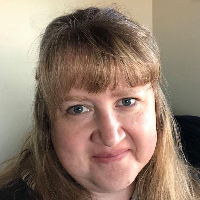
At a glance
- Credentials
- LCPC
- License
- LCPC, Montana / BBH-LCPC-LIC-24410
- NPI
- 1225568280
- Experience
- 10 years
- Languages
- English
- Location
- Montana
Details come from information the therapist supplied to BetterHelp. A license can be checked with the state board.
-
- Motivational interviewing
- Client-centered focus
- Trauma informed care
About Lisa
Lisa Johnson is a Licensed Clinical Professional Counselor (LCPC) who offers calm, practical support for people facing big life changes. She uses a listening-first style and helps people talk through stress, anxiety, grief, and other painful experiences. Her approach aims to meet each person where they are and move them toward goals they choose.
With ten years of clinical experience, she draws on several therapeutic approaches. Motivational Interviewing is part of her work and is used to help people find their own reasons to change. She also uses client-centered methods that focus on the person's experience and Attachment-Based Therapy to look at patterns that come from close relationships.
Sessions tend to focus on concrete steps and everyday coping skills. She helps people with sleep problems, parenting strain, compassion fatigue, ADHD questions, and mood or panic concerns. She also addresses grief, trauma and abuse, relationship and family challenges, and issues like guilt, shame, and codependency.
Her style is straightforward and supportive. People can expect to be heard and offered options that fit their life. She combines practical techniques such as elements of cognitive behavioral work with relational approaches like emotionally-focused ideas when useful.
Lisa asks people to set goals and take part in deciding the pace of work. Her stated faith is a personal part of who she is and can inform her perspective when relevant to a client's values. She practices in Montana and conducts sessions in English.
-
How these approaches work for online therapy
Motivational Interviewing is a collaborative conversation style that helps people sort out their own reasons to change and strengthen personal motivation. It can be useful for goals like improving sleep, reducing impulsivity, or managing ADHD-related routines.
Attachment-Based Therapy looks at relationship patterns that shape how people connect with others. It helps when past losses, abandonment fears, or attachment issues affect current relationships or parenting stress.
Client-Centered Therapy emphasizes being heard and respected as the starting point for change. The therapist follows the client's lead, which can make online sessions feel focused on the person's immediate concerns and goals.
Finding the right approach is part of the work. The therapist will talk with the client about needs, goals, and preferences and decide together which methods to try. This collaborative process helps tailor sessions to what actually helps the person in daily life.
Confirm the therapist's current session options before booking, since the biography does not list specific formats. Online therapy can make it easier to fit sessions into a busy schedule, shorten travel time, and allow brief check-ins when full sessions are not possible. These practical benefits often help people maintain momentum while working on stress, grief, mood, or relationship challenges. -
Areas of expertise
Primary focus
Also works with
Relationship issuesFamily conflictsSleeping disordersSelf esteemDepressionCoping with life changesCoachingCompassion fatigueADHDAdditional focus areas
AbandonmentAttachment issuesAutism and Asperger SyndromeCaregiver issues and stressCodependencyDivorce and separationEmptinessFamily problemsForgivenessGuilt and shameImpulsivityMood disordersPanic disorder and panic attacksSeasonal Affective Disorder (SAD)Self-harmSelf-loveSocial anxiety and phobiaWomen's issuesYoung adult issuesTherapeutic approaches
Attachment-Based TherapyClient-Centered TherapyCognitive Behavioral Therapy (CBT)Emotionally-Focused Therapy (EFT)Mindfulness TherapyMotivational InterviewingNarrative TherapySolution-Focused TherapyTrauma-Focused TherapyInternal Family SystemsExperience
10+ years
Listed in
Montana
Languages
English
-
Frequently asked questions
What concerns does she help with?
She works with stress, anxiety, depression, grief, trauma and abuse, relationship and family problems, sleep issues, self-esteem, and coping with life changes. Additional areas include ADHD, panic, mood disorders, caregiver stress, and codependency.
What is her therapy style like?
Her style is client-centered and listening-first, with a practical focus. She uses collaborative methods to help people set goals and try real steps between sessions.
How much experience does she have?
She has ten years of clinical experience working with a range of concerns including grief, trauma, and mood difficulties.
What credentials and location are listed?
She is listed as an LCPC, which stands for Licensed Clinical Professional Counselor, and practices in Montana.
Which languages are supported and can international clients work with her?
Sessions are offered in English. International clients are not currently accepted.
What session formats are available?
The original biography does not list specific session formats. Confirm current session options before booking to learn how sessions are offered.
How does cost and scheduling work?
Cost varies with location and therapist availability, and sessions use a subscription that can be canceled at any time. Specific rates depend on the chosen plan and timing.
What are the first steps to begin therapy?
Use the Start Therapy button, complete a short matching questionnaire, and schedule according to therapist availability to get started.
-
Online talk therapy is not emergency or medical care. Stopping or cutting down alcohol or other drugs can be unsafe without medical advice. In immediate danger? Crisis numbers