
LaKeisha Blackwell
LPCMichigan · 15 yrs exp
Encouraging, practical therapy for real-life challenges
Stress, Anxiety · Anger · Self esteem · Depression · +10 more
Read profileTherapist listings are provided by BetterHelp. We will earn a commission at no additional cost to you if you use our links to purchase.
Browse profiles of clinicians in Michigan who list motivational interviewing and support for making changes. Compare approaches, credentials, languages, and focus areas, then open any profile to read details and confirm permission to work together where you live.
Michigan · 15 yrs exp
Encouraging, practical therapy for real-life challenges
Stress, Anxiety · Anger · Self esteem · Depression · +10 more
Read profile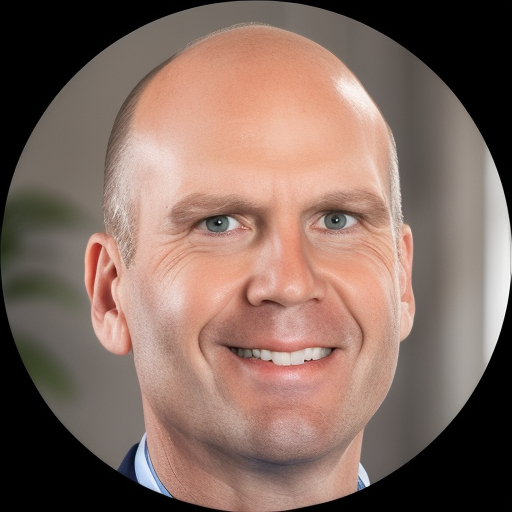
Michigan · 26 yrs exp
Experienced clinician focused on practical change
Stress, Anxiety · Trauma and abuse · Self esteem · Depression · +16 more
Read profile
Michigan · 16 yrs exp
Compassionate counselor focused on practical change
Stress, Anxiety · Addictions · Relationship · Parenting · +8 more
Read profile
Michigan · 6 yrs exp
Straightforward support for people facing life changes
Stress, Anxiety · Relationship · Self esteem · Depression · +7 more
Read profile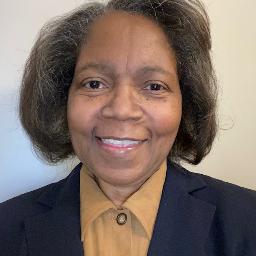
Michigan · 10 yrs exp
Practical, strength-based support for life challenges
Stress, Anxiety · Addictions · Relationship · Family · +12 more
Read profile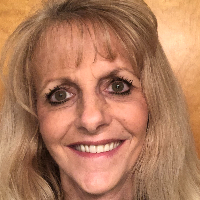
Michigan · 22 yrs exp
Warm, practical counselor focused on change
Stress, Anxiety · Addictions · Trauma and abuse · Grief · +10 more
Read profile
Michigan · 14 yrs exp
Compassionate, change-focused social worker
Stress, Anxiety · Family · Trauma and abuse · Grief · +12 more
Read profile
Michigan · 20 yrs exp
Compassionate counselor for life transitions
Stress, Anxiety · Addictions · Bipolar · Depression · +13 more
Read profile
Michigan · 28 yrs exp
Empathetic counselor guiding practical change
Stress, Anxiety · Relationship · Self esteem · Career · +11 more
Read profile
Michigan · 10 yrs exp
Compassionate counselor focused on practical change
Stress, Anxiety · Relationship · Family · Trauma and abuse · +9 more
Read profile
Michigan · 24 yrs exp
Collaborative, practical support for life changes
Stress, Anxiety · Grief · Self esteem · Depression · +15 more
Read profile
Michigan · 21 yrs exp
Practical support for stress and life changes
Stress, Anxiety · Relationship · Self esteem · Depression · +1 more
Read profile
Michigan · 21 yrs exp
Guiding practical change with steady support
Stress, Anxiety · Relationship · Self esteem · Career · +9 more
Read profile
Michigan · 10 yrs exp
Practical, warm therapy for overwhelmed adults
Stress, Anxiety · Self esteem · Depression · Compassion fatigue · +8 more
Read profile
Michigan · 15 yrs exp
Practical, collaborative therapy for life changes
Stress, Anxiety · Self esteem · Depression · Addictions · +8 more
Read profile
Michigan · 25 yrs exp
Practical, direct counseling to help people change
Relationship · Family · Anger · Self esteem · +11 more
Read profile
Michigan · 8 yrs exp
Compassionate counselor for practical change
Stress, Anxiety · Relationship · Trauma and abuse · Self esteem · +10 more
Read profile
Michigan · 11 yrs exp
Motivation-focused counselor helping you move forward
Stress, Anxiety · Sleeping · Self esteem · Career · +6 more
Read profile
Michigan · 5 yrs exp
Practical, person-centered support for everyday struggles
Stress, Anxiety · Relationship · Anger · Self esteem · +1 more
Read profile
Michigan · 5 yrs exp
Compassionate guidance for practical change
Relationship · Family · Trauma and abuse · Parenting · +6 more
Read profile
Michigan · 10 yrs exp
Calm, practical support for life’s hard moments
Stress, Anxiety · Addictions · Trauma and abuse · Grief · +1 more
Read profile
Michigan · 9 yrs exp
Supportive therapist focused on practical change
Stress, Anxiety · Relationship · Family · Trauma and abuse · +1 more
Read profile
Michigan · 12 yrs exp
Calm, practical counseling for life challenges
Stress, Anxiety · Trauma and abuse · Career · Depression · +11 more
Read profile
Michigan · 12 yrs exp
Practical, motivation-focused clinical psychologist
Stress, Anxiety · Addictions · Family · Trauma and abuse · +9 more
Read profileMotivational interviewing is a collaborative conversation style designed to help you explore your own reasons for change and mixed feelings about it, without lecturing. In practice this means a clinician who uses motivational interviewing listens for what matters to you, asks questions that help you weigh options, and reflects back your thoughts so you can notice where you feel ready to move forward. People come to conversations framed by motivational interviewing for many kinds of change - shifting habits, reassessing health routines, improving relationships, navigating career moves, or making decisions around substance use. The approach is not limited to a single area, so when you read a profile that lists motivational interviewing it does not mean the clinician only works with one issue.
When you are evaluating whether this style fits your needs, think about how you like to be approached. If you prefer a collaborative, exploratory tone rather than direct instruction, motivational interviewing may match your style. Profiles on this site indicate clinicians who list motivational interviewing among their approaches, but that listing does not guarantee a particular outcome or a formal credential in the method. Use what you read as a starting point for questions you can ask directly on a profile or in an initial conversation.
The directory groups profiles under the listed location Michigan so you can see clinicians who have recorded Michigan as a place they work. A listed location is a reference point; it is not confirmation of an office address, an active license, or that a clinician has permission to practice with every person who lives in Michigan. You should open each profile and confirm permission to work together where you live. That is the best way to know whether a clinician can legally and ethically provide care for you in your jurisdiction.
Degrees and professional authorization are different things. Academic degrees such as PhD, PsyD, MD, MA, or MSW describe educational attainment. They do not by themselves show current permission to practice. In the United States many clinicians will also list a license such as a licensed clinical social worker, licensed professional counselor, psychologist license, or medical license. In the United Kingdom and Australia professionals may list registration, membership, or registration numbers with recognized bodies. When you read profiles, notice how someone describes their degree and then look for language about a license, registration, or professional membership so you can ask about the relevant regional authorization if that matters to you.
When you find a profile that seems relevant, having specific, concrete questions helps you learn how a clinician would work with you. Ask how motivational interviewing fits into their overall approach and whether they combine it with other options. For example you might ask: How do you use motivational interviewing during sessions and what does a typical conversation look like? Which kinds of concerns or changes do you most often support using motivational interviewing? You can also ask about the populations they work with by saying: Do you have particular experience working with people in situations like mine, such as chronic health decisions, habit change, workplace transitions, or relationship changes?
Ask about credentials with precise wording that clarifies permission to practice where you live. For clinicians in the United States you can ask which state license they hold and whether that license allows practice with residents of Michigan. For professionals in the United Kingdom or Australia you can ask what registration or membership they maintain with local regulatory bodies. If a profile lists specific approaches such as EMDR or acceptance and commitment strategies, refer to that wording and ask if those approaches are integrated into care and how they are used in combination with motivational interviewing. Remember that profiles reflect what clinicians list about their approaches and not a guarantee of particular training or outcomes.
If you plan to work online rather than in person, it helps to cover practical and safety-oriented topics before sessions begin. Clarify time zone and scheduling expectations so you both understand appointment times. Ask about the communication methods the clinician uses, whether video platforms or phone, and what to do if a connection drops. Talk about emergency planning in your area - ask how they handle urgent situations and whether they can share local resources or referrals for immediate support if needed. Because the directory includes clinicians who list a Michigan location as well as professionals from the United Kingdom and Australia, confirm that the person you choose has permission to provide services to someone in your state or country before you proceed.
Discuss consent and documentation so you know what to expect about session notes, records, and policies on cancellations and rescheduling. It is reasonable to ask about fees and payment methods and to request information about any sliding scale or insurance billing practices they may mention on their profile. Finally, clarify how you will communicate between sessions if that is important to you - for example whether brief messages or email checks are part of their practice and under what conditions they will respond. Clear conversations up front help you focus on the content of sessions once you begin.
Comparing profiles is most useful when you pay attention to four intersecting areas: the issues a clinician lists in their focus areas, the languages they speak, the credentials and authorizations they describe, and the style of work they emphasize. Start with focus areas and read the profile text for concrete examples of the kinds of change they describe supporting. If you have a specific concern - returning to work after a major life event, making changes to health routines, or deciding about substance use - look for language that signals relevant experience rather than assuming expertise from a single term.
Languages matter for how comfortably you can describe your experience. If a profile lists a language you prefer, consider asking about the clinician's day-to-day use of that language in sessions. For credentials, look for explicit statements about the license, registration, or membership that matters in your region and confirm permission to work with you where you live. Finally, pay attention to tone and style. Some profiles emphasize a direct, goal-focused style while others describe a reflective, exploratory approach. If style matters to you, ask for a brief description of what the clinician does in the first few sessions and how they adapt when a client's needs change. By combining these elements you can form clearer questions to raise on the profile or during an introductory conversation.
Profiles here provide a starting point for learning who lists motivational interviewing among their approaches and for comparing how clinicians describe their work. Use the comparisons to frame direct questions about authorization, approach, populations served, and practical matters of online or in-person care. Confirm permission to work together where you live and then decide whether to contact a clinician to learn more. Exploring details this way helps you find a match that respects your priorities as you consider making changes.
Addictions
2065 therapists
ADHD
1557 therapists
Anger
2322 therapists
Chronic Illness
454 therapists
Chronic Pain
454 therapists
Control Issues
1205 therapists
Depression
3520 therapists
Eating Disorders
578 therapists
Gambling
407 therapists
Grief
2614 therapists
Guilt and Shame
2199 therapists
Impulsivity
1044 therapists
Isolation / Loneliness
1979 therapists
Midlife Crisis
872 therapists
Mood Disorders
1667 therapists
Self Esteem
3455 therapists
Sleeping Disorders
685 therapists
Smoking
173 therapists
Social Anxiety and Phobia
1878 therapists
Stress & Anxiety
3815 therapists
Trauma and Abuse
2835 therapists
Vaping
173 therapists
Aging and Geriatric Issues
556 therapists
Body Image
761 therapists
Career
1908 therapists
Caregiver Issues and Stress
1398 therapists
Coaching
999 therapists
Codependency
1066 therapists
Communication Problems
2557 therapists
Coping with Life Changes
3171 therapists
Divorce
1270 therapists
Family
2582 therapists
Forgiveness
1912 therapists
Life Purpose
2240 therapists
Money and Financial Issues
541 therapists
Parenting
2089 therapists
Relationship
3011 therapists
Self-Love
2307 therapists
Separation
1270 therapists
Workplace Issues
1468 therapists