
Norma Platt
LCSWNevada · 12 yrs exp
Compassionate LCSW focusing on motivation and coping
Stress, Anxiety · Relationship · Anger · Self esteem · +1 more
Read profileTherapist listings are provided by BetterHelp. We will earn a commission at no additional cost to you if you use our links to purchase.
This page groups profiles by the listed location Nevada so you can compare professionals who note motivational interviewing among their approaches. Use the profiles to review focus areas, degrees and professional permissions, languages, and therapeutic style before browsing individual listings.
Nevada · 12 yrs exp
Compassionate LCSW focusing on motivation and coping
Stress, Anxiety · Relationship · Anger · Self esteem · +1 more
Read profile
Nevada · 25 yrs exp
Compassionate therapist focusing on relationships and change
Stress, Anxiety · Relationship · Family · Trauma and abuse · +1 more
Read profile
Nevada · 17 yrs exp
Compassionate, practical support for change
Stress, Anxiety · Relationship · Intimacy-related issues · Self esteem · +3 more
Read profile
Nevada · 15 yrs exp
Calm guidance for stress and relationship strain
Stress, Anxiety · Relationship · Trauma and abuse · Anger · +1 more
Read profile
Nevada · 22 yrs exp
Practical, collaborative therapy for everyday struggles
Stress, Anxiety · Addictions · Relationship · Anger · +1 more
Read profile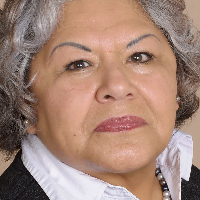
Nevada · 3 yrs exp
Compassionate LCSW focused on practical change
Stress, Anxiety · Relationship · Family · Trauma and abuse · +11 more
Read profile
Nevada · 12 yrs exp
Compassionate counselor focused on practical change
Relationship · Family · Self esteem · Depression · +7 more
Read profile
Nevada · 3 yrs exp
Compassionate clinician focused on trauma recovery
Stress, Anxiety · Grief · Self esteem · Addictions · +13 more
Read profile
Nevada · 9 yrs exp
Compassionate clinician who works alongside clients
Stress, Anxiety · Self esteem · Depression · Addictions · +13 more
Read profile
Nevada · 20 yrs exp
Change-focused counselor with practical tools
Stress, Anxiety · Addictions · Relationship · Family · +15 more
Read profile
Nevada · 13 yrs exp
Compassionate, goal-focused mental health support
Addictions · LGBT · Trauma and abuse · Anger · +12 more
Read profile
Nevada · 3 yrs exp
Collaborative, steady guidance for life challenges
Stress, Anxiety · Addictions · Depression · LGBT · +10 more
Read profile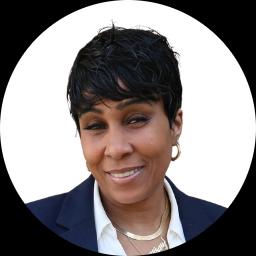
Nevada · 19 yrs exp
Hopeful guidance for life's tough transitions
Stress, Anxiety · Addictions · Trauma and abuse · Depression · +13 more
Read profile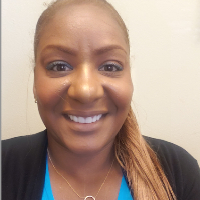
Nevada · 10 yrs exp
Experienced Marriage and Family Therapist
Stress, Anxiety · Family · Parenting · Anger · +6 more
Read profile
Nevada · 6 yrs exp
Practical, collaborative therapy with steady support
Stress, Anxiety · Relationship · Family · Career · +12 more
Read profile
Nevada · 9 yrs exp
Care-focused LCSW helping people move forward
Stress, Anxiety · Relationship · Coaching · LGBT · +3 more
Read profile
Nevada · 7 yrs exp
Compassionate, collaborative care for change
Stress, Anxiety · Relationship · Trauma and abuse · Self esteem · +3 more
Read profile
Nevada · 8 yrs exp
Compassionate, goal-focused counseling
Stress, Anxiety · Trauma and abuse · Anger · Self esteem · +1 more
Read profile
Nevada · 10 yrs exp
Practical, respectful counseling with clear steps
Stress, Anxiety · Relationship · Grief · Anger · +1 more
Read profile
Nevada · 10 yrs exp
Supporting steady change and clearer relationships
Stress, Anxiety · Relationship · Self esteem · Depression · +1 more
Read profile
Nevada · 30 yrs exp
Practical, experienced support for family and mood concerns
Stress, Anxiety · Family · Trauma and abuse · Anger · +1 more
Read profile
Nevada · 15 yrs exp
Collaborative care for stuck and overwhelmed people
Stress, Anxiety · Relationship · Self esteem · Bipolar · +1 more
Read profile
Nevada · 18 yrs exp
Experienced counselor for life transitions and addiction recovery
Stress, Anxiety · Addictions · Self esteem · Depression · +1 more
Read profile
Nevada · 9 yrs exp
Healing through practical motivation and care
Stress, Anxiety · Family · Trauma and abuse · Self esteem · +1 more
Read profileMotivational interviewing is a collaborative conversation style designed to help you explore your own reasons for change and any mixed feelings you may have. It emphasizes listening, asking open questions, reflecting what you say, and helping you weigh options without being lectured. People seek this approach for a wide range of changes including daily habits, health goals, workplace transitions, relationship shifts, and lifestyle modifications. It is not limited to one kind of issue, and seeing motivational interviewing listed in a profile indicates a conversational orientation rather than a guaranteed outcome or a specific certification.
When you look at profiles that list motivational interviewing, consider how the therapist describes the way they work alongside you. Some profiles will name additional approaches they use as options to discuss, while others will emphasize readiness, values, or goal-setting. The key is that motivational interviewing focuses on your own motivation - it helps you find and strengthen the reasons you have for making a change rather than telling you what to do.
The fact that a profile is grouped under the listed location Nevada does not by itself confirm a physical office or legal permission to practice in every circumstance. Profiles may include professionals from different countries and regulatory systems. In the United States, professional permissions are commonly described as licensure. In the United Kingdom and Australia, similar practice permissions are often described as registration or membership with a professional body. Academic degrees such as PhD, PsyD, MD, MA, or MSW indicate educational achievement but do not alone establish current permission to practice where you live.
When you review a profile, look for clear language about the person s professional permission to work with clients in your area and any regional distinctions noted on their page. You should check the individual profile and confirm that the clinician has the appropriate permission to work together where you live. This step is important if you plan to have sessions across state or national lines, because rules about practice vary by jurisdiction.
Before you reach out, consider concrete questions you can use to compare profiles and guide a first conversation. Ask whether the clinician has experience helping people with the specific kind of change you are considering and how they typically integrate motivational interviewing with other approaches they list. You might ask which goals they commonly work on with people and how they help someone who feels uncertain or ambivalent. It can be useful to know how they describe progress - whether they focus on small steps, values-based goals, or practical strategies - and how they measure what matters to you.
Also ask about the populations they work with, because a listed topic does not establish that a clinician treats children, couples, or families. Inquire about the clinician s professional permissions in your location and how their academic degree relates to their current role. These questions will help you evaluate whether their style and areas of focus feel like a fit for your needs.
If you are considering online sessions, it is important to cover a few practical and ethical details up front. Discuss whether the clinician can legally work with you where you live and clarify expectations for emergency situations or referrals if a need arises that falls outside their scope. You should agree on how sessions will be scheduled and communicated about, and ask how they approach boundaries and session structure so you know what to expect from the first meetings onward.
It is reasonable to ask how they tailor conversations to remote formats and how they approach information-sharing boundaries of communications in their own practice systems. You may also want to discuss whether they work collaboratively with other professionals in your area, such as medical providers or local support services, and how that coordination would be handled with your permission. These conversations help you determine whether an online relationship will meet your needs and legal protections given where you live.
Comparing profiles effectively means looking beyond a single phrase and reading how a clinician describes their focus and style. Pay attention to the kinds of problems and life changes they mention, the populations they note, and whether they mention particular settings or contexts where they commonly work. Look for language about the clinician s therapeutic style - whether they describe a gentle, directive, goal-oriented, or exploratory approach - and imagine which of those styles feels most helpful for how you like to engage in change work.
Languages spoken are an important practical consideration. If you prefer to communicate in a language other than English, check the profile text for language options and how the clinician frames cross-cultural experience. For credentials, note the difference between having an academic degree and holding permission to practice in a jurisdiction. Ask whether the clinician s listed credentials align with the regulatory framework in your area. Finally, compare how each profile presents motivational interviewing - as a central orientation, as one of several approaches, or as a conversational tool - and choose profiles to explore further based on the match between their description and what feels right to you.
Across all sections, remember to check the individual profile for details and to confirm permission to work together where you live. Profiles are a starting point for conversation; reaching out with specific questions will help you determine which professional approach aligns with your goals for making change.
Addictions
2065 therapists
ADHD
1557 therapists
Anger
2322 therapists
Chronic Illness
454 therapists
Chronic Pain
454 therapists
Control Issues
1205 therapists
Depression
3520 therapists
Eating Disorders
578 therapists
Gambling
407 therapists
Grief
2614 therapists
Guilt and Shame
2199 therapists
Impulsivity
1044 therapists
Isolation / Loneliness
1979 therapists
Midlife Crisis
872 therapists
Mood Disorders
1667 therapists
Self Esteem
3455 therapists
Sleeping Disorders
685 therapists
Smoking
173 therapists
Social Anxiety and Phobia
1878 therapists
Stress & Anxiety
3815 therapists
Trauma and Abuse
2835 therapists
Vaping
173 therapists
Aging and Geriatric Issues
556 therapists
Body Image
761 therapists
Career
1908 therapists
Caregiver Issues and Stress
1398 therapists
Coaching
999 therapists
Codependency
1066 therapists
Communication Problems
2557 therapists
Coping with Life Changes
3171 therapists
Divorce
1270 therapists
Family
2582 therapists
Forgiveness
1912 therapists
Life Purpose
2240 therapists
Money and Financial Issues
541 therapists
Parenting
2089 therapists
Relationship
3011 therapists
Self-Love
2307 therapists
Separation
1270 therapists
Workplace Issues
1468 therapists