
Alexandre Da Silva
LMHCNew York · 5 yrs exp
Motivational and practical counseling
Stress, Anxiety · LGBT · Trauma and abuse · Bipolar · +12 more
Read profileTherapist listings are provided by BetterHelp. We will earn a commission at no additional cost to you if you use our links to purchase.
Compare credentials, therapeutic approaches, focus areas and languages among professionals who list motivational interviewing in the New York listed location.
Browse profiles to view clinicians' self-described approaches and experience so you can identify practitioners you might want to contact. Check each profile and confirm a practitioner has permission to work with you where you live before beginning care.
New York · 5 yrs exp
Motivational and practical counseling
Stress, Anxiety · LGBT · Trauma and abuse · Bipolar · +12 more
Read profile
New York · 11 yrs exp
Compassionate counselor for life transitions
Stress, Anxiety · Grief · Self esteem · Relationship · +8 more
Read profile
New York · 11 yrs exp
Change-focused, collaborative counselor
Stress, Anxiety · Addictions · Bipolar · Depression · +12 more
Read profile
New York · 24 yrs exp
Goal-focused social work for behavior change
Stress, Anxiety · Addictions · Family · Parenting · +9 more
Read profile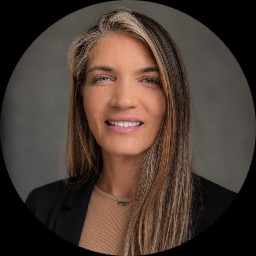
New York · 13 yrs exp
Calm guidance for life’s difficult moments
Stress, Anxiety · Self esteem · Depression · Coping with life changes · +8 more
Read profile
New York · 13 yrs exp
Practical, goal-focused social work support
Stress, Anxiety · Trauma and abuse · Career · Depression · +8 more
Read profile
New York · 23 yrs exp
Practical, judgment-free counseling to move forward
Stress, Anxiety · Trauma and abuse · Grief · Depression · +13 more
Read profile
New York · 10 yrs exp
Skillful, collaborative counselor for life changes
Stress, Anxiety · Family · Self esteem · Coping with life changes · +5 more
Read profile
New York · 7 yrs exp
Direct, practical therapy for relationships and addiction
Addictions · Relationship · Intimacy-related issues · Self esteem · +3 more
Read profile
New York · 19 yrs exp
Direct, practical therapy focused on change
Stress, Anxiety · Relationship · Grief · Anger · +11 more
Read profile
New York · 12 yrs exp
Compassionate, motivation-focused clinical social worker
Addictions · Trauma and abuse · Anger · Self esteem · +10 more
Read profile
New York · 19 yrs exp
Straightforward support for life changes
Stress, Anxiety · Relationship · Trauma and abuse · Self esteem · +11 more
Read profile
New York · 10 yrs exp
Compassionate LCSW helping people make practical change
Stress, Anxiety · Addictions · Anger · Coping with life changes · +6 more
Read profile
New York · 24 yrs exp
Compassionate LCSW who listens and guides
Stress, Anxiety · Relationship · Trauma and abuse · Self esteem · +7 more
Read profile
New York · 21 yrs exp
Motivation-focused counselor with practical skills
Stress, Anxiety · Addictions · Anger · Self esteem · +5 more
Read profile
New York · 7 yrs exp
Collaborative care for mood and behavior
Stress, Anxiety · Addictions · Relationship · Grief · +9 more
Read profile
New York · 15 yrs exp
Collaborative, practical therapy for life changes
Stress, Anxiety · Relationship · Grief · Depression · +3 more
Read profile
New York · 8 yrs exp
Bilingual LMHC helping people move forward
Stress, Anxiety · Grief · Self esteem · Depression · +11 more
Read profile
New York · 4 yrs exp
Compassionate counselor focused on practical change
Stress, Anxiety · Trauma and abuse · Grief · Parenting · +1 more
Read profile
New York · 6 yrs exp
Compassionate, goal-focused support for life transitions
Stress, Anxiety · Relationship · Parenting · Self esteem · +1 more
Read profile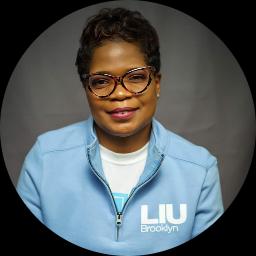
New York · 18 yrs exp
Compassionate therapist focusing on life transitions
Stress, Anxiety · Family · Grief · Coping with life changes
Read profile
New York · 30 yrs exp
Experienced, collaborative therapist
Stress, Anxiety · Self esteem · Career · Depression · +1 more
Read profile
New York · 11 yrs exp
Supportive, goal-focused therapy
Stress, Anxiety · Addictions · Self esteem · Depression · +7 more
Read profile
New York · 14 yrs exp
Compassionate clinician focusing on practical change
Stress, Anxiety · Relationship · Family · Parenting · +9 more
Read profileMotivational interviewing is a collaborative conversation style designed to help you explore your own reasons for change and any mixed feelings you may have about it without lecturing. Practitioners use open questions, reflective listening and focused conversations to help you clarify what matters to you and build motivation from your own values and priorities. It is not a single prescriptive protocol; instead it is an approach that can be integrated with many other therapeutic options depending on the clinician's background and orientation.
You can use motivational interviewing for a wide range of changes. People often bring it to questions about habits, health behaviors, workplace transitions, relationship shifts or career moves. While motivational interviewing has roots in work on substance use, it is applied more broadly and should not be assumed to mean a clinician specializes only in addiction. When you read a profile that lists motivational interviewing among approaches, see that listing as an indication of an interest in collaborative, change-focused conversation rather than as proof of a particular certification or outcome.
The New York listed location on a profile groups practitioners who have associated themselves with that area but does not, by itself, confirm a physical office or ongoing in-person practice there. Some clinicians work across regions or offer care at a distance. You should look at each profile for contact details and service descriptions and confirm directly whether a clinician has permission to work with you where you live. That confirmation is important because professional permission to practice is governed differently in different countries and jurisdictions.
Degrees such as PhD, PsyD, MD, MA and MSW describe academic qualifications and are distinct from professional permission to practice. In the United States you will often see references to licensing as the mechanism that indicates legal permission to provide clinical services. In the United Kingdom and Australia you will more commonly see references to registration with a regulatory body or membership in a professional organization. A degree alone does not establish current permission to practice. When you review a profile, note the degree listed and look for statements about license, registration or membership appropriate to the clinician's country, then ask directly if you need confirmation for your situation.
When you contact a clinician, prepare focused questions that let you compare how they describe their work. You might ask how they integrate motivational interviewing into their sessions and whether it is a central framework or one of several approaches. You can ask, "How do you use motivational interviewing in practice?" and "Can you describe the kinds of changes you commonly help people explore?" If you are interested in other methods, ask about them in specific terms, for example, "I see some clinicians list EMDR among their approaches - how might that be combined with motivational interviewing in your work?" Using this kind of phrasing makes it clear you understand that listed approaches are not guarantees but topics for discussion.
Ask about experience relevant to your situation, using concrete examples rather than general labels. Instead of asking whether a clinician treats "people like me," try asking whether they have worked with people facing the particular change you are considering, whether that be shifting daily routines, addressing health behavior, navigating career change or managing relationship transitions. Also ask about the populations they commonly work with and how they adapt their style to different cultural backgrounds, ages and communication preferences. Language proficiency is another practical question - if you prefer to speak in a language other than English, confirm which languages are available in sessions and whether interpretation is offered.
If you are considering care at a distance, it helps to raise practical topics ahead of the first session. Ask the clinician how they handle geographic permission to work across state or national borders and request confirmation that they have the legal ability to provide care where you live. Discuss the technologies they use and what you will need to join a session, along with how they manage your information and who may have access to records. It is reasonable to ask about the communication methods they use between sessions and how they prefer to set boundaries around messaging.
You should also talk through safety planning and emergency procedures for online work, including what the clinician would do if you had an urgent concern outside session time. Clarify time zone differences and scheduling norms so you know how session timing will be handled. Finally, describe a typical first session and what you can expect when you begin discussing change-focused goals, so you can evaluate whether the clinician's working style feels like a good fit for you.
When comparing profiles on this page, read beyond a single line that lists motivational interviewing. Look for descriptions of focus areas that align with your priorities and note whether those descriptions mention specific kinds of change or populations. Compare the languages listed so you can see who can speak with you in your preferred language. Profiles that include examples of clinical focus and the kinds of issues the clinician commonly explores will give you a clearer picture than a short list of approaches alone.
Pay attention to how clinicians describe their therapeutic style. Some will emphasize a directive coaching stance while others describe a reflective, exploratory approach; motivational interviewing itself tends toward collaboration and eliciting your own motivations, but therapists vary in how they blend that style with other orientations. Consider credentials carefully: an academic degree indicates training in a field, while licensing, registration or formal membership indicates current permission or professional oversight in many regions. If a profile mentions a degree but not a license or registration, ask about how the clinician maintains regulatory or ethical oversight in their practice setting.
Ultimately, profiles are starting points to help you form questions and priorities. Use the comparisons you gather here to reach out to clinicians whose profiles resonate with your goals, and remember to confirm details such as ability to work with you where you live, languages offered and how motivational interviewing is used in their practice. That combination of information will help you choose which profiles to explore further and which practitioners to contact for an initial conversation.
Addictions
2065 therapists
ADHD
1557 therapists
Anger
2322 therapists
Chronic Illness
454 therapists
Chronic Pain
454 therapists
Control Issues
1205 therapists
Depression
3520 therapists
Eating Disorders
578 therapists
Gambling
407 therapists
Grief
2614 therapists
Guilt and Shame
2199 therapists
Impulsivity
1044 therapists
Isolation / Loneliness
1979 therapists
Midlife Crisis
872 therapists
Mood Disorders
1667 therapists
Self Esteem
3455 therapists
Sleeping Disorders
685 therapists
Smoking
173 therapists
Social Anxiety and Phobia
1878 therapists
Stress & Anxiety
3815 therapists
Trauma and Abuse
2835 therapists
Vaping
173 therapists
Aging and Geriatric Issues
556 therapists
Body Image
761 therapists
Career
1908 therapists
Caregiver Issues and Stress
1398 therapists
Coaching
999 therapists
Codependency
1066 therapists
Communication Problems
2557 therapists
Coping with Life Changes
3171 therapists
Divorce
1270 therapists
Family
2582 therapists
Forgiveness
1912 therapists
Life Purpose
2240 therapists
Money and Financial Issues
541 therapists
Parenting
2089 therapists
Relationship
3011 therapists
Self-Love
2307 therapists
Separation
1270 therapists
Workplace Issues
1468 therapists