
Karen Kelly
LCSWAlaska · 13 yrs exp
Calm guidance through life’s toughest moments
Stress, Anxiety · Addictions · Trauma and abuse · Depression · +9 more
Read profileTherapist listings are provided by BetterHelp. We will earn a commission at no additional cost to you if you use our links to purchase.
Compare profiles of professionals listed under the Alaska location who include motivational interviewing among their clinical approaches. Browse profiles to review focus areas, degrees, registrations, languages, and contact details, and confirm with the clinician that they can work with you where you live before beginning.
Alaska · 13 yrs exp
Calm guidance through life’s toughest moments
Stress, Anxiety · Addictions · Trauma and abuse · Depression · +9 more
Read profile
Alaska · 24 yrs exp
Motivational, practical, client-centered care
Stress, Anxiety · Addictions · Trauma and abuse · Sleeping · +10 more
Read profile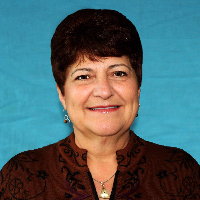
Alaska · 11 yrs exp
Person-centered therapist focused on practical change
Stress, Anxiety · Relationship · Family · Trauma and abuse · +9 more
Read profile
Alaska · 11 yrs exp
Focused counselor for change
Stress, Anxiety · Addictions · Relationship · Trauma and abuse · +7 more
Read profile
Alaska · 25 yrs exp
Compassionate counselor focused on practical change
Stress, Anxiety · Relationship · Trauma and abuse · Anger · +5 more
Read profile
Alaska · 40 yrs exp
Therapist helping people move forward
Addictions · Relationship · Trauma and abuse · Intimacy-related issues · +1 more
Read profile
Alaska · 5 yrs exp
Helping people find motivation and calm
Stress, Anxiety · Addictions · Anger · Depression · +9 more
Read profile
Alaska · 20 yrs exp
Seasoned Alaska LPC focusing on practical change
Stress, Anxiety · Grief · Depression · Coping with life changes · +1 more
Read profile
Alaska · 4 yrs exp
Compassionate counseling that builds practical change
Stress, Anxiety · Relationship · Trauma and abuse · Self esteem · +10 more
Read profileMotivational interviewing is a collaborative conversation style that helps you explore your own reasons for change and any mixed feelings you might have about it, without lecturing. Rather than telling you what to do, a clinician using this approach asks open questions, reflects what you say, and helps you weigh pros and cons so you can move toward choices that feel right. It is commonly used to support a wide range of changes - adjusting habits, managing long-term health behaviors, improving relationships, navigating career transitions, or working on motivation for study or recovery goals. Listing motivational interviewing on a profile simply indicates the clinician uses that conversational approach in their work; it does not guarantee a particular result or that every clinician treats the same issues.
When you are looking through Alaska profiles, pay attention to how each clinician describes their use of motivational interviewing. Some may emphasize it as a central method for helping people address health behaviors, while others may combine it with other approaches. You should expect a clear description of how they work with clients, what kinds of changes they focus on, and who they typically work with. If you have a specific need - for example habit change connected to a chronic condition, workplace motivation, or relationship patterns - look for profiles that explicitly mention experience in that area and ask concrete questions before connecting.
Profiles grouped under the Alaska listed location mean those clinicians have associated that place with their profile. That listing is not evidence of an office in Alaska, physical proximity to you, eligibility for every resident, or an active permission to practice in that jurisdiction. You should check each individual profile and confirm directly with the clinician that they are permitted to work with you where you live before proceeding.
Professional credentials appear in different forms across countries. In the United States, the term used for legal permission to practice is typically a license, issued by state boards. In the United Kingdom and Australia, professionals are often registered with or hold membership in national organizations or registers. Academic degrees - such as PhD, PsyD, MD, MA, or MSW - are distinct from a license, registration, or membership. A degree indicates a level of education but does not by itself establish current permission to provide care in a particular place. When a profile lists a degree or a professional body, you should ask about the clinician's current status, including whether they may legally work with you from their location to yours.
When you contact someone whose profile looks promising, you can learn a lot by asking specific questions that clarify how they use motivational interviewing and how it fits with your needs. Ask how they describe motivational interviewing in their everyday practice and whether they combine it with other approaches. You can ask for examples of the kinds of change conversations they typically support, such as working on sleep habits, activity levels, relationship communication, or workplace motivation. If a profile lists other approaches - for example therapists who list EMDR among their approaches - ask how they decide which approach to use and how they integrate them.
Other helpful questions include asking about the populations the clinician works with and whether they have experience helping people with concerns similar to yours. If you are seeking help for a particular age group, cultural community, or language, ask directly about that experience. Ask how they measure progress and how they know if the work you are doing together is heading in a direction you both find useful. Keep in mind that profiles may not spell out every specialization, so explicit questions will give you clearer information than assumptions from degree titles or brief descriptions.
If you are considering remote sessions with someone listed under the Alaska location, it is important to clarify certain practical and professional details ahead of time. Ask whether the clinician can legally provide services to you in your state, territory, or country, and what documentation or consent they require. Request information about how they handle urgent concerns or crises and what local resources they recommend if you need immediate assistance. It is reasonable to ask how they manage privacy and data handling for remote meetings and what steps you should take on your side to protect your own privacy during conversations.
You may also want to discuss how early sessions typically proceed when motivational interviewing is part of the approach - for example, how the clinician explores your goals, what kinds of questions they will ask about readiness and barriers, and how you both set priorities for change. Ask about language options if you prefer to communicate in a language other than English, and clarify how notes and records are maintained. All of these topics help you set expectations and ensure the care you receive aligns with your needs and the context where you live.
Comparing profiles means paying attention to the concrete details that matter to you. Read how each clinician describes their focus areas and look for wording that matches your situation - whether that is habit formation, chronic health management, relationship work, workplace change, or another area. Notice the languages listed on a profile if communicating in a specific language is important to you. Degrees and professional bodies provide different kinds of information: an academic title such as PhD, PsyD, MD, MA, or MSW shows educational background, while a license, registration, or membership indicates association with a regulatory or professional organization. Ask clinicians to clarify their current standing and any geographical limits to their practice.
Your sense of a clinician's style is also important. Some profiles describe a conversational, collaborative style that emphasizes client choice and autonomy. Others may highlight structured goal-setting or the integration of motivational interviewing with other psychological approaches. If a profile mentions work with certain populations or life stages, ask how that experience translates to your circumstances. Sample questions you can use while comparing profiles include: Which kinds of change goals do you most often support? How do you adapt motivational interviewing for people who feel ambivalent? What languages do you offer sessions in? How do you coordinate care if other professionals are involved? These focused comparisons will help you choose clinicians to contact for a deeper conversation.
Remember that a listed approach on a profile is a starting point for conversation, not a guarantee of scope or outcome. Discuss your needs, ask direct questions about permissions to work with you where you live, and make sure the professional's focus, credentials, and communication style fit the kind of work you want to do. Careful comparison and clear questions will give you the best information to decide who to reach out to from the Alaska listings.
Addictions
2065 therapists
ADHD
1557 therapists
Anger
2322 therapists
Chronic Illness
454 therapists
Chronic Pain
454 therapists
Control Issues
1205 therapists
Depression
3520 therapists
Eating Disorders
578 therapists
Gambling
407 therapists
Grief
2614 therapists
Guilt and Shame
2199 therapists
Impulsivity
1044 therapists
Isolation / Loneliness
1979 therapists
Midlife Crisis
872 therapists
Mood Disorders
1667 therapists
Self Esteem
3455 therapists
Sleeping Disorders
685 therapists
Smoking
173 therapists
Social Anxiety and Phobia
1878 therapists
Stress & Anxiety
3815 therapists
Trauma and Abuse
2835 therapists
Vaping
173 therapists
Aging and Geriatric Issues
556 therapists
Body Image
761 therapists
Career
1908 therapists
Caregiver Issues and Stress
1398 therapists
Coaching
999 therapists
Codependency
1066 therapists
Communication Problems
2557 therapists
Coping with Life Changes
3171 therapists
Divorce
1270 therapists
Family
2582 therapists
Forgiveness
1912 therapists
Life Purpose
2240 therapists
Money and Financial Issues
541 therapists
Parenting
2089 therapists
Relationship
3011 therapists
Self-Love
2307 therapists
Separation
1270 therapists
Workplace Issues
1468 therapists