
Rasheena Vail
LCSW, LICSWWashington · 13 yrs exp
Therapist who blends practical tools and compassion
Stress, Anxiety · LGBT · Self esteem · Depression · +16 more
Read profileTherapist listings are provided by BetterHelp. We will earn a commission at no additional cost to you if you use our links to purchase.
This page groups profiles under the listed location Washington so visitors can compare practitioners who include motivational interviewing among their approaches. Check each profile and confirm the practitioner's permission to work together where you live before getting in touch. Browse the profiles below to begin.
Washington · 13 yrs exp
Therapist who blends practical tools and compassion
Stress, Anxiety · LGBT · Self esteem · Depression · +16 more
Read profile
Washington · 30 yrs exp
Helping people find motivation and steady progress
Stress, Anxiety · Addictions · Self esteem · Bipolar · +1 more
Read profile
Washington · 19 yrs exp
Compassionate, practical therapy for life changes
Stress, Anxiety · Grief · Self esteem · Relationship · +4 more
Read profile
Washington · 11 yrs exp
Hopeful guidance for change
Stress, Anxiety · Parenting · Self esteem · Depression · +10 more
Read profile
Washington · 19 yrs exp
Therapist who centers client growth
Stress, Anxiety · Trauma and abuse · Grief · Anger · +9 more
Read profile
Washington · 14 yrs exp
Understanding stories, setting clear goals
Stress, Anxiety · Relationship · Family · Parenting · +13 more
Read profile
Washington · 12 yrs exp
Compassionate counselor focused on practical change
Stress, Anxiety · Relationship · Family · Self esteem · +15 more
Read profile
Washington · 9 yrs exp
Warm, direct LICSW helping people make change
Stress, Anxiety · LGBT · Trauma and abuse · Bipolar · +11 more
Read profile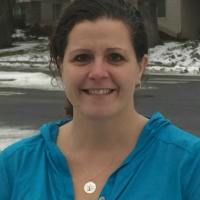
Washington · 18 yrs exp
Collaborative, practical support for life changes
Stress, Anxiety · LGBT · Trauma and abuse · Self esteem · +15 more
Read profile
Washington · 40 yrs exp
Experienced LICSW focusing on practical change
Stress, Anxiety · Grief · Self esteem · Bipolar · +13 more
Read profile
Washington · 10 yrs exp
Calm, practical support for meaningful change
Stress, Anxiety · LGBT · Trauma and abuse · Self esteem · +4 more
Read profile
Washington · 13 yrs exp
Guide for steady, practical change
Stress, Anxiety · LGBT · Self esteem · Depression · +9 more
Read profile
Washington · 9 yrs exp
Practical, goal-focused therapy with steady support
Stress, Anxiety · Relationship · Family · Depression · +10 more
Read profile
Washington · 25 yrs exp
Experienced LICSW focused on practical change
Stress, Anxiety · Trauma and abuse · Bipolar · Depression · +9 more
Read profile
Washington · 15 yrs exp
Compassionate practical help for life transitions
Stress, Anxiety · LGBT · Self esteem · Depression · +8 more
Read profile
Washington · 17 yrs exp
Empathetic guide for life transitions
Stress, Anxiety · LGBT · Grief · Coping with life changes · +1 more
Read profile
Washington · 30 yrs exp
Experienced therapist focused on motivation and relationships
Stress, Anxiety · LGBT · Intimacy-related issues · Depression · +11 more
Read profile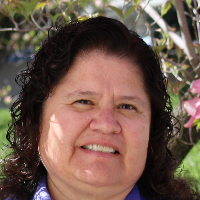
Washington · 3 yrs exp
Change-focused, practical counseling
Stress, Anxiety · Addictions · Trauma and abuse · Self esteem · +10 more
Read profile
Washington · 6 yrs exp
Practical, client-centered therapy with mindfulness
Stress, Anxiety · LGBT · Family · Parenting · +11 more
Read profile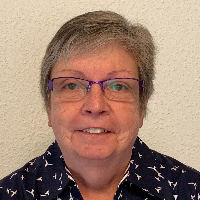
Washington · 25 yrs exp
Compassionate, practical mental health support
Stress, Anxiety · Trauma and abuse · Grief · Depression · +11 more
Read profile
Washington · 19 yrs exp
Motivational, practical, strengths-based care
Stress, Anxiety · Addictions · Relationship · Anger · +9 more
Read profile
Washington · 12 yrs exp
Experienced LMHC focused on practical change
Stress, Anxiety · Trauma and abuse · Depression · Coping with life changes · +8 more
Read profile
Washington · 14 yrs exp
Compassionate social worker focused on practical change
Stress, Anxiety · Relationship · Grief · Career · +5 more
Read profile
Washington · 25 yrs exp
Compassionate collaboration for steady progress
Stress, Anxiety · LGBT · Trauma and abuse · Grief · +10 more
Read profileMotivational interviewing is a collaborative conversation style that helps people explore their own reasons for change and their mixed feelings about it, without lecturing. It focuses on helping you articulate what matters to you, weigh pros and cons, and strengthen your own motivation for moving toward a goal. People bring these conversations to many kinds of change - shifting habits, managing health-related goals, improving relationships, navigating work transitions, or reconsidering routines - and therapists in this directory list motivational interviewing among their approaches to support that exploration.
When you read a profile, see motivational interviewing as an orientation rather than a promise of a particular path or outcome. Practitioners may combine it with other approaches they list, and the way they weave those options together can differ. If you are curious about how motivational interviewing would be used in your situation, a useful first step is to look for language in the profile about collaborative decision-making, supporting client autonomy, and how they describe working with ambivalence. That phrasing will give you a sense of whether their style aligns with what you want from a helping relationship.
The profiles are grouped by the listed location Washington to help you focus your search, but a listed location does not guarantee an office in that city, nor does it confirm proximity or eligibility on its own. You should check the individual profile for details and confirm that a practitioner currently has permission to work with people where you live. This directory includes professionals who practice in the United States, the United Kingdom, and Australia, and the words used to describe permission to practice differ by country. In the United States you will often see references to licenses that allow clinical practice in specific states. In the United Kingdom and Australia you may see references to registration or membership with professional bodies rather than US-style licenses.
Academic degrees such as PhD, PsyD, MD, MA, and MSW describe educational achievement and are not the same as a current professional license or registration. A degree alone does not establish present permission to practice in a location. When a profile lists a degree, consider it a sign of training background; when it lists a license, registration, or regulatory membership, consider that an indicator to verify current standing and any geographic restrictions. Profiles may also list therapeutic approaches they use. A listing of an approach simply indicates the practitioner identifies that approach among their tools - it is not evidence of certification or a statement about the depth of experience unless the practitioner states that on their profile.
When you contact someone whose profile interests you, aim for concrete questions that reveal how they actually work. Ask whether they use motivational interviewing as a central framework or as one of several techniques, and request examples of the types of changes they help people explore. A helpful question is: "Can you describe how you use motivational interviewing when someone is unsure about making a change like mine?" That invites a description of process rather than a claim about outcomes.
Probe about clinical focus by asking about the kinds of issues the practitioner sees most often, and whether they have experience with situations similar to yours. For instance, you might say: "I am looking to change a work habit and also manage related stress - have you worked with people addressing both practical behavior changes and the emotions around them?" Clarify whether the practitioner works with adults only or with couples, families, or young people, because a listed topic does not establish scope. You can also ask about how they integrate motivational interviewing with other approaches they list. If a profile mentions other methods, ask: "How do you decide whether to use motivational interviewing or another approach in a session?" These concrete questions help you understand fit without relying on labels alone.
If you are considering sessions offered remotely, there are several practical topics to discuss so you know what to expect. Confirm the technology they use and what you need on your side for a clear session. Ask about time zones and scheduling boundaries if the practitioner is located in a different part of the country or a different country altogether. It is reasonable to ask how they handle urgent situations, what they recommend if you need support between meetings, and what contact methods they offer for administrative questions. These are operational details that help you plan and do not judge clinical skill.
Also talk about record keeping and what kind of documentation they maintain for your sessions, as well as any policies about session length, cancellation, and professional limits to the relationship. If working remotely raises concerns about your environment, mention this so you can agree on a comfortable setting for conversations. Before you commit, make sure you have discussed how consent and information-sharing boundaries-related protections apply to remote care, and verify whether the practitioner has permission to offer services to people where you live. Confirming those jurisdictional and procedural points helps you begin with clarity about boundaries and practical steps.
Profiles vary in how they describe focus areas and the populations a practitioner works with. Some profiles emphasize behavioral changes such as smoking reduction, activity routines, or meal planning, while others highlight relational, workplace, or health-related goals. Read the profile text to see whether the practitioner names issues that match your priorities, and look for phrases that describe the way they work with ambivalence and motivation. If language access matters to you, check which languages are listed and how they describe cross-cultural competence or experience. You can ask a candidate: "Do you have experience working with people from my background, and how do you approach cultural differences in the change process?"
Pay attention to how credentials and professional memberships are presented. If a profile lists degrees such as a PhD, PsyD, MD, MA, or MSW, treat those as indicators of academic training. If the profile lists a license, registration, or membership, follow up to confirm current standing and geographic scope. Remember that some practitioners list specific therapeutic approaches as options they use; wording like "lists motivational interviewing among their approaches" is different from claiming a specialist certification. Use the profile language as a starting point for conversation, and ask direct questions about the practitioner's methods and how they tailor sessions to individual needs.
Finally, consider style and personal fit. Some practitioners describe a more directive approach while others emphasize client-led exploration and reflective listening. Think about whether you prefer a style that focuses on practical steps, a style that centers emotion and meaning, or a combination. When you reach out, ask about the rhythm of sessions, how goals are negotiated, and how progress is reviewed. Those questions will help you compare profiles on the practical and interpersonal qualities that matter most as you pursue making changes at your own pace.
Addictions
2065 therapists
ADHD
1557 therapists
Anger
2322 therapists
Chronic Illness
454 therapists
Chronic Pain
454 therapists
Control Issues
1205 therapists
Depression
3520 therapists
Eating Disorders
578 therapists
Gambling
407 therapists
Grief
2614 therapists
Guilt and Shame
2199 therapists
Impulsivity
1044 therapists
Isolation / Loneliness
1979 therapists
Midlife Crisis
872 therapists
Mood Disorders
1667 therapists
Self Esteem
3455 therapists
Sleeping Disorders
685 therapists
Smoking
173 therapists
Social Anxiety and Phobia
1878 therapists
Stress & Anxiety
3815 therapists
Trauma and Abuse
2835 therapists
Vaping
173 therapists
Aging and Geriatric Issues
556 therapists
Body Image
761 therapists
Career
1908 therapists
Caregiver Issues and Stress
1398 therapists
Coaching
999 therapists
Codependency
1066 therapists
Communication Problems
2557 therapists
Coping with Life Changes
3171 therapists
Divorce
1270 therapists
Family
2582 therapists
Forgiveness
1912 therapists
Life Purpose
2240 therapists
Money and Financial Issues
541 therapists
Parenting
2089 therapists
Relationship
3011 therapists
Self-Love
2307 therapists
Separation
1270 therapists
Workplace Issues
1468 therapists