
Erica Kesse
LPC-MHSPTennessee · 9 yrs exp
Motivational, client-centered counseling and coaching
LGBT · Relationship · Trauma and abuse · Career · +2 more
Read profileTherapist listings are provided by BetterHelp. We will earn a commission at no additional cost to you if you use our links to purchase.
This page groups profiles under the listed location Tennessee so you can compare clinicians who list motivational interviewing among their approaches. Browse profiles to compare focus areas, credentials, languages and therapeutic style before reaching out.
Tennessee · 9 yrs exp
Motivational, client-centered counseling and coaching
LGBT · Relationship · Trauma and abuse · Career · +2 more
Read profile
Tennessee · 7 yrs exp
Compassionate counselor focused on motivation and change
Stress, Anxiety · Trauma and abuse · Self esteem · Coping with life changes · +5 more
Read profile
Tennessee · 10 yrs exp
Compassionate, practical support for life changes
Stress, Anxiety · Trauma and abuse · Career · Depression · +1 more
Read profile
Tennessee · 8 yrs exp
Supportive LCSW focused on practical change
LGBT · Stress, Anxiety · Addictions · Relationship · +9 more
Read profile
Tennessee · 11 yrs exp
Compassionate counselor focused on practical change
Stress, Anxiety · Self esteem · Career · Depression · +1 more
Read profile
Tennessee · 18 yrs exp
A warm, practical clinician who listens
Stress, Anxiety · LGBT · Relationship · Trauma and abuse · +12 more
Read profile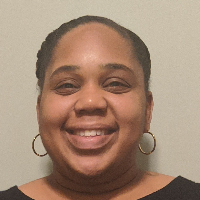
Tennessee · 5 yrs exp
Gentle guidance to reclaim choice and voice
Stress, Anxiety · Addictions · Trauma and abuse · Grief · +7 more
Read profile
Tennessee · 14 yrs exp
Practical support for stress and relationships
Stress, Anxiety · Relationship · Depression · Trauma and abuse · +5 more
Read profile
Tennessee · 27 yrs exp
Practical, experienced LCSW focused on change
Stress, Anxiety · Relationship · Parenting · Self esteem · +10 more
Read profile
Tennessee · 8 yrs exp
Practical, goal-focused support for change
Stress, Anxiety · Addictions · Trauma and abuse · Parenting · +9 more
Read profile
Tennessee · 26 yrs exp
Compassionate, strengths-focused clinical social worker
Stress, Anxiety · Addictions · Bipolar · Depression · +10 more
Read profile
Tennessee · 3 yrs exp
Client-centered care for trauma and change
Stress, Anxiety · Addictions · Trauma and abuse · Self esteem · +8 more
Read profile
Tennessee · 20 yrs exp
Compassionate counselor focused on practical change
Stress, Anxiety · Addictions · Anger · Self esteem · +7 more
Read profile
Tennessee · 8 yrs exp
Compassionate therapy for real-life change
Stress, Anxiety · Family · Grief · Self esteem · +13 more
Read profile
Tennessee · 22 yrs exp
Practical short-term therapy for life transitions
Stress, Anxiety · Grief · Self esteem · Coping with life changes · +11 more
Read profile
Tennessee · 6 yrs exp
Person-centered LCSW in Tennessee
Stress, Anxiety · Trauma and abuse · Self esteem · Depression · +7 more
Read profile
Tennessee · 20 yrs exp
Experienced LPC guiding practical change
Stress, Anxiety · Addictions · Relationship · Family · +1 more
Read profile
Tennessee · 28 yrs exp
Experienced counselor focused on trauma and motivation
Stress, Anxiety · Addictions · Family · Trauma and abuse · +8 more
Read profile
Tennessee · 10 yrs exp
Compassionate LCSW focused on practical change
Stress, Anxiety · Relationship · Trauma and abuse · Grief · +5 more
Read profile
Tennessee · 22 yrs exp
Calm guidance for real-life change
Stress, Anxiety · Trauma and abuse · Parenting · Self esteem · +11 more
Read profile
Tennessee · 8 yrs exp
Change-focused counselor who listens and guides
Stress, Anxiety · Trauma and abuse · Grief · Anger · +4 more
Read profile
Tennessee · 8 yrs exp
Direct, practical therapy for addiction and trauma
Addictions · Trauma and abuse · Bipolar · Stress, Anxiety · +9 more
Read profile
Tennessee · 6 yrs exp
Change-focused counselor who listens
Stress, Anxiety · Relationship · Parenting · Self esteem · +9 more
Read profile
Tennessee · 15 yrs exp
Practical, strengths-focused therapy for everyday change
Stress, Anxiety · Grief · Anger · Self esteem · +11 more
Read profileMotivational interviewing is a collaborative conversation style that helps people explore their own reasons for change and mixed feelings about it, without lecturing. You may encounter this approach in work on habits, health behaviors, relationship patterns, career transitions, or substance-related concerns. It is not only for one type of problem. When you read profiles, think about the kinds of changes you want to pursue and how you prefer to be supported. Some people want a gentle, exploratory conversation that draws out personal motivation, while others prefer more structured direction alongside reflective dialogue. The term motivational interviewing describes the conversational stance rather than a fixed treatment guarantee, so it is useful to ask practitioners how they apply the approach in sessions and what a typical conversation looks like for someone with your goals.
As you consider whether motivational interviewing might help, pay attention to descriptions of focus areas and populations on each profile. A clinician may list motivational interviewing among several approaches they use. That does not mean every session will look the same; it often appears alongside other methods and tailored to individual needs. You should also keep in mind that profiles grouped under Tennessee indicate a listed location, which helps you narrow options geographically. Profiles do not, by themselves, prove permission to practice in every place. Before moving forward, confirm with the individual clinician that they can work with you where you live and that their approach aligns with your aims.
The directory groups profiles under a listed location to help you search by geography, but a listed location does not automatically mean a clinician operates a local office or holds a particular license in that state. When you open a profile, look for clear information about the clinician's permission to practice in your jurisdiction and any registration or licensing details they provide. In the United States, clinicians commonly mention state licenses and titles; in the United Kingdom and Australia professionals may note registration or membership with national bodies. These terms reflect different systems for permitting practice, and the exact meaning varies across countries.
Academic degrees such as PhD, PsyD, MD, MA, or MSW describe a person's educational background but are distinct from professional licenses or registrations. A degree alone does not establish current permission to provide therapy in a particular place. When you compare profiles, note both degrees and any licensing or registration information, and ask the clinician to confirm their current permission to work with people where you live. Also be mindful that listing motivational interviewing among approaches is a statement about how a clinician practices, not proof of specialist certification in that approach.
When you contact someone after reviewing profiles, clear, specific questions help you understand how they work and whether their style suits you. Ask how they typically use motivational interviewing in practice and whether they combine it with other approaches. You can inquire about the kinds of issues and populations they commonly work with, and whether they have experience with concerns similar to yours. If you have particular needs - for example cultural considerations, language preferences, or life-stage issues - ask how they address those in their work.
Other helpful questions include asking what a typical session feels like, how progress is reflected in conversations, and how goals are set and reviewed. You might ask about the clinician's experience working with people who share your background or identity, and what supports they offer between appointments if that is important to you. It is also reasonable to ask how they define their scope of practice and when they would recommend an alternative or additional service. These concrete questions give you a clearer basis for comparing practitioners than general descriptions alone.
If you are considering care delivered digitally, there are a few practical topics to cover before you begin. Confirm whether the clinician has permission to provide care to people in your state or country, since rules about cross-border practice differ. Talk about the technology platforms they use and what you can expect during a session so you feel comfortable with the format. Discuss how they handle privacy practices, record-keeping, and how messages or scheduling are managed. You should also agree on a plan for local assistance if an urgent need arises, including how to contact local emergency services or trusted supports in your area.
Time zones, language preferences, and cultural fit matter for online care, so bring these up early. If you rely on captions, an interpreter, or other communication supports, ask how those needs can be accommodated. Clarifying these details before you begin helps you focus on your goals when sessions start and reduces misunderstandings about logistics and scope. Remember to confirm that the person can legally work with you where you live, whether care will be provided in a neighboring state, another country, or within Tennessee itself.
Comparing profiles means looking beyond a single label to understand the match between your needs and a clinician's emphasis. Read how each profile describes focus areas - for example habit change, health behavior, relationship issues, workplace stress, or transitions - and imagine how those topics map onto your priorities. Language ability is a concrete factor to note; if you prefer to work in a particular language, seek profiles that list that language. When credentials appear, distinguish degrees from licenses or registrations. A PhD or MA indicates academic training, while a particular license or registration indicates a form of permission to practice in a given jurisdiction.
Therapeutic style is often described in terms such as collaborative, directive, practical, or reflective. Consider how you respond to different styles and look for profiles that describe the stance you prefer. If a profile mentions working with certain populations, consider whether that experience is relevant to you. Use short, focused questions when contacting practitioners to confirm details that matter most - such as how they integrate motivational interviewing, whether they have experience with similar goals, which languages they use in sessions, and whether they can legally provide care where you live. Comparing profiles on these concrete dimensions helps you identify candidates who are a sensible fit for a conversation about change.
Finally, remember that the act of comparing profiles is a first step. Profiles help you narrow possibilities, but the best way to know whether a practitioner is a good match is to speak with them about your specific goals and circumstances. Check the individual profile for details, ask direct questions, and confirm permission to work together where you live before making commitments. This approach helps you use the directory as a tool to find clinicians who may support your process of making changes at your own pace.
Addictions
2065 therapists
ADHD
1557 therapists
Anger
2322 therapists
Chronic Illness
454 therapists
Chronic Pain
454 therapists
Control Issues
1205 therapists
Depression
3520 therapists
Eating Disorders
578 therapists
Gambling
407 therapists
Grief
2614 therapists
Guilt and Shame
2199 therapists
Impulsivity
1044 therapists
Isolation / Loneliness
1979 therapists
Midlife Crisis
872 therapists
Mood Disorders
1667 therapists
Self Esteem
3455 therapists
Sleeping Disorders
685 therapists
Smoking
173 therapists
Social Anxiety and Phobia
1878 therapists
Stress & Anxiety
3815 therapists
Trauma and Abuse
2835 therapists
Vaping
173 therapists
Aging and Geriatric Issues
556 therapists
Body Image
761 therapists
Career
1908 therapists
Caregiver Issues and Stress
1398 therapists
Coaching
999 therapists
Codependency
1066 therapists
Communication Problems
2557 therapists
Coping with Life Changes
3171 therapists
Divorce
1270 therapists
Family
2582 therapists
Forgiveness
1912 therapists
Life Purpose
2240 therapists
Money and Financial Issues
541 therapists
Parenting
2089 therapists
Relationship
3011 therapists
Self-Love
2307 therapists
Separation
1270 therapists
Workplace Issues
1468 therapists