
Donna Wolf Robichaud
LPCTexas · 22 yrs exp
Practical, empathetic counseling for life transitions
Stress, Anxiety · Grief · Career · Depression · +9 more
Read profileTherapist listings are provided by BetterHelp. We will earn a commission at no additional cost to you if you use our links to purchase.
Use this page to compare therapists who list Aging and Geriatric Issues among their specialties and who note motivational interviewing among their approaches. Browse profiles by listed location, languages, academic degrees, registration or license type, and stated focus to find a potential match.
Texas · 22 yrs exp
Practical, empathetic counseling for life transitions
Stress, Anxiety · Grief · Career · Depression · +9 more
Read profile
Illinois · 20 yrs exp
Practical, person-centered support for adults
Stress, Anxiety · LGBT · Anger · Self esteem · +12 more
Read profile
New York · 11 yrs exp
Compassionate counselor for life transitions
Stress, Anxiety · Grief · Self esteem · Relationship · +8 more
Read profile
Oklahoma · 30 yrs exp
Compassionate counselor who values dignity and hope
Stress, Anxiety · Grief · Intimacy-related issues · Depression · +8 more
Read profile
South Carolina · 36 yrs exp
Compassionate therapist for life transitions
Stress, Anxiety · Addictions · Family · Trauma and abuse · +3 more
Read profile
Wisconsin · 11 yrs exp
Compassionate counselor focused on practical growth
Stress, Anxiety · Family · Trauma and abuse · Depression · +12 more
Read profile
Ohio · 20 yrs exp
Goal-focused counselor with 20 years experience
Stress, Anxiety · Addictions · Relationship · Family · +15 more
Read profile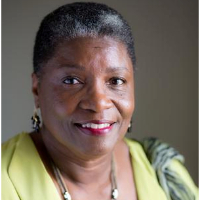
Florida · 12 yrs exp
Experienced counselor focused on practical change
Stress, Anxiety · Addictions · Parenting · Depression · +8 more
Read profile
Florida · 16 yrs exp
Practical support for change and healing
Stress, Anxiety · Trauma and abuse · Self esteem · Depression · +6 more
Read profile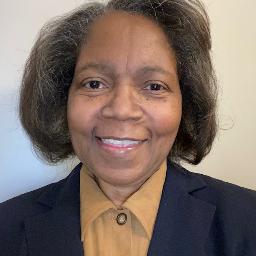
Michigan · 10 yrs exp
Practical, strength-based support for life challenges
Stress, Anxiety · Addictions · Relationship · Family · +12 more
Read profile
Connecticut · 24 yrs exp
Therapist focused on practical change
Stress, Anxiety · Addictions · Family · Bipolar · +10 more
Read profile
North Carolina · 27 yrs exp
Motivational, practical, person-focused care
Stress, Anxiety · Self esteem · Coping with life changes · Relationship · +7 more
Read profile
North Carolina · 20 yrs exp
Warm, practical counseling for life changes
Stress, Anxiety · Addictions · Anger · Depression · +7 more
Read profile
Mississippi · 15 yrs exp
Strength-focused counselor supporting practical change
Stress, Anxiety · Addictions · Relationship · Family · +5 more
Read profile
Pennsylvania · 28 yrs exp
Compassionate clinician guiding clear, manageable change
Stress, Anxiety · Addictions · Grief · Self esteem · +1 more
Read profile
Wisconsin · 20 yrs exp
Experienced counselor focused on practical change
Stress, Anxiety · Self esteem · Career · Depression · +2 more
Read profile
Florida · 16 yrs exp
Warm, practical therapy for life changes
Grief · Coping with life changes · Stress, Anxiety · Relationship · +12 more
Read profile
Texas · 3 yrs exp
Motivational, practical support for change
Stress, Anxiety · Anger · Depression · Addictions · +8 more
Read profile
Kansas · 23 yrs exp
Compassionate therapist focused on motivation and relationships
Stress, Anxiety · Relationship · Trauma and abuse · Self esteem · +8 more
Read profile
New York · 10 yrs exp
Skillful, collaborative counselor for life changes
Stress, Anxiety · Family · Self esteem · Coping with life changes · +5 more
Read profile
Arizona · 36 yrs exp
Experienced collaborative psychologist
Stress, Anxiety · Relationship · Grief · Anger · +7 more
Read profile
Indiana · 10 yrs exp
Calm, practical support for everyday challenges
Stress, Anxiety · Relationship · Trauma and abuse · Depression · +3 more
Read profile
California · 12 yrs exp
Practical, bilingual LCSW focused on change
Stress, Anxiety · Relationship · Grief · Depression · +13 more
Read profile
Michigan · 24 yrs exp
Collaborative, practical support for life changes
Stress, Anxiety · Grief · Self esteem · Depression · +15 more
Read profileAs you consider care for aging-related challenges, you are likely juggling questions about memory changes, mobility, shifting roles, chronic health management, and emotional adjustments. You may be thinking about how to maintain independence, cope with retirement or loss, or adapt daily routines to changing energy and cognition. Many people also want to address motivation for lifestyle choices that affect well-being - such as activity, sleep, nutrition, social engagement, and medication adherence - and they look for professional support to explore those choices and the mixed feelings that come with them.
When you look at profiles you will see differing emphases: some clinicians describe experience with dementia-related behavior, others highlight work with caregivers or transitions in living arrangements, and some focus on psychological adaptations to physical illness. The phrase Aging and Geriatric Issues covers a broad range of concerns, so think about the specific challenges you want to address and look for descriptions in profiles and listed focus areas that align with those priorities.
Remember that a listed topic on a profile means the clinician has identified that area as a focus, not that they offer diagnostic services or a particular medical scope. If you have questions about medical conditions or medications, plan to discuss how the clinician coordinates with medical or allied health professionals in your listed location.
Motivational interviewing is a collaborative conversation style designed to help you explore your own reasons for change and your mixed feelings about it, without lecturing. It emphasizes listening, guiding rather than directing, and helping you weigh the pros and cons of a change so you can make choices that fit your values and circumstances. This approach is used for many kinds of change - from daily habits and health behaviors to relationship adjustments and life transitions - and is not limited to any single diagnosis or condition.
On this page you will see profiles of clinicians who list motivational interviewing among their clinical approaches. That listing indicates they use the style as part of their work, not that they hold a particular certification. Motivational interviewing can be adapted to conversations about pacing activities, adjusting routines to energy levels, or making decisions about living arrangements and care options. When you review profiles, note how each clinician describes using collaborative conversation - whether they emphasize goal-setting, working with caregivers, or addressing motivation in the context of cognitive changes.
Because motivational interviewing focuses on eliciting your own goals and priorities, it can be helpful when you want to explore gradual changes at your own pace. You should still ask specific questions about how the approach is applied in the clinician's practice and how it might intersect with medical or social supports in your area.
When you review a profile, prepare concrete questions that will help you compare fit. You can ask how much of the clinician's work focuses on older adults and what kinds of aging-related issues they commonly address. Ask whether they have experience working with people who share your concerns - for example, adapting to mobility limitations, coping with cognitive changes, navigating caregiver dynamics, or planning for long-term care decisions. Request examples of how they might use motivational interviewing in these situations so you can picture how conversations would unfold.
Distinguish academic degrees from permission to practice. A listing of degrees such as PhD, PsyD, MD, MA, or MSW indicates academic training but does not by itself confirm current permission to practice. In the United States clinicians often list state license titles, while in the United Kingdom and Australia you will see references to registration or professional membership. Ask about the clinician's registration or license type in their listed location and how that relates to the services they describe. If it matters to you, inquire about additional professional experience such as work with memory clinics, geriatric assessment teams, or community aging services, remembering that profile listings reflect what the clinician has chosen to highlight rather than an exhaustive credential review.
You may also want to discuss how the clinician approaches working with caregivers and families. Some clinicians emphasize collaborative meetings with family members or care teams to support communication and planning, while others focus primarily on one-on-one work with the older adult. Clarify what the profile means when it mentions caregiver involvement so you can understand the scope and boundaries of that work.
If you are considering remote consultations, bring up practical and safety-related topics before beginning. Ask what platforms the clinician uses and how your information is protected during remote conversations. Discuss accessibility needs such as larger text, captioning, or assistive technology if hearing or vision is a concern. Clarify how the clinician handles emergency planning and crisis response in your listed location, since emergency services and jurisdictional rules differ across regions.
Talk about coordination with other professionals you see. If you have a primary care clinician, geriatrician, or home health services, ask how the clinician approaches collaboration and whether they will seek your permission to communicate with those providers. Discuss expectations for communication between appointments, including preferred channels and typical response time, so you understand how ongoing coordination might work in practice.
Privacy and data handling are reasonable topics to cover. You can ask what steps the clinician takes to protect your personal information, how records are stored, and what to expect regarding notes or summaries related to care. These questions help you gauge whether the clinician's practices align with your comfort level and the requirements of your location.
Comparing profiles is easier when you look at several concrete dimensions. Start with stated focus areas - does the profile mention memory concerns, transitions in living arrangements, caregiving support, or chronic illness adaptation? Profiles vary in how they describe emphasis, so read descriptions to see if the clinician names examples that match your priorities. Pay attention to languages listed, especially if you prefer to speak in a language other than the primary language of your listed location; language concordance can shape rapport and nuance in conversation.
Examine credentials with care. Profiles may show academic degrees and also list registration or license types relevant to the clinician's listed location. Degrees such as PhD, PsyD, MD, MA, or MSW indicate areas of academic preparation, while state licenses in the United States and registration or membership details in the United Kingdom and Australia indicate professional authorization or affiliation. Treat these as starting points for your conversation rather than definitive proof of a specific scope of practice.
Finally, consider practice style as described in the profile. Some clinicians explicitly state a collaborative, person-centered tone and mention motivational interviewing as a conversational approach; others emphasize skill-building or problem-solving models. Reflect on whether you prefer a conversational, exploratory style or more structured planning, and then use your initial contact to ask how the clinician typically partners with people to set goals and make changes. Profiles are useful for narrowing choices, but direct discussion will give you the clearest sense of whether a clinician's approach aligns with how you want to make changes at your own pace.
Alabama
56 therapists
Alaska
9 therapists
Arizona
56 therapists
Arkansas
25 therapists
Australia
77 therapists
California
261 therapists
Colorado
82 therapists
Connecticut
45 therapists
Delaware
7 therapists
District of Columbia
11 therapists
Florida
360 therapists
Georgia
84 therapists
Hawaii
22 therapists
Idaho
19 therapists
Illinois
141 therapists
Indiana
78 therapists
Iowa
18 therapists
Kansas
31 therapists
Kentucky
56 therapists
Louisiana
64 therapists
Maine
27 therapists
Maryland
52 therapists
Massachusetts
60 therapists
Michigan
170 therapists
Minnesota
65 therapists
Mississippi
30 therapists
Missouri
83 therapists
Montana
18 therapists
Nebraska
19 therapists
Nevada
25 therapists
New Hampshire
10 therapists
New Jersey
87 therapists
New Mexico
31 therapists
New York
251 therapists
North Carolina
148 therapists
North Dakota
6 therapists
Ohio
136 therapists
Oklahoma
49 therapists
Oregon
34 therapists
Pennsylvania
173 therapists
Rhode Island
11 therapists
South Carolina
56 therapists
South Dakota
10 therapists
Tennessee
69 therapists
Texas
328 therapists
United Kingdom
294 therapists
Utah
24 therapists
Vermont
8 therapists
Virginia
53 therapists
Washington
71 therapists
West Virginia
12 therapists
Wisconsin
78 therapists
Wyoming
6 therapists