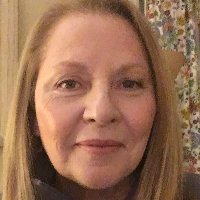
Pamela McGarry
LMHC, LPC
Pennsylvania
Compassionate clinician guiding clear, manageable change
Continue with PamelaAt a glance
- Credentials
- LMHC, LPC
- License
- LMHC, New York / 003214-01; LPC, Pennsylvania / PC018679
- NPI
- 1841474533
- Experience
- 28 years
- Languages
- English
- Location
- Pennsylvania
Details come from information the therapist supplied to BetterHelp. A license can be checked with the state board.
-
- Motivation-focused
- Practical strategies
- Collaborative care
About Pamela
Pamela McGarry is a licensed clinician with 28 years of experience helping people through hard times. She focuses on depression, anxiety, stress, grief, low self-esteem, and addiction recovery with a steady, practical approach. Pamela aims to make sessions straightforward and useful from the first meeting.
She combines Motivational Interviewing with approaches like Acceptance and Commitment Therapy, Cognitive Behavioral Therapy, and Client-Centered Therapy to match each person’s needs. That means she helps people clarify what matters to them, notice unhelpful thinking, and try small changes that fit their life. Sessions are collaborative and paced to what the client is ready for.
Her background includes work with communication problems, attachment issues, caregiver stress, cancer-related concerns, blended family issues, and family-of-origin difficulties. Pamela has also supported people coping with substance use and the emotional fallout of disasters or loss. She draws on many methods to address patterns that keep people stuck.
Pamela holds the Licensed Mental Health Counselor credential and the Licensed Professional Counselor credential, and she practices in Pennsylvania. She speaks English and accepts international clients. Practical tools, steady listening, and clear next steps are central to how she works.
To begin, Pamela asks people to identify their goals and priorities, then she helps them try techniques that fit daily life. Over time clients build smaller habits that add up to real change.
-
How Pamela's approaches fit remote care
Motivational Interviewing helps people find reasons to change and build momentum one step at a time. It works well for addiction concerns, coping with stress, and when motivation feels mixed or shifting.
Acceptance and Commitment Therapy, or ACT, focuses on what matters most and small actions that reflect those values. It can help with anxiety, depression, and grief by refocusing toward meaningful goals rather than getting stuck on difficult feelings.
Client-Centered Therapy emphasizes listening, empathy, and making space for each person to lead the pace of work. That approach supports people who need a calm, validating environment to sort through complicated feelings.
Choosing the right approach is part of the work. Pamela collaborates with each person to decide which methods to try based on goals, preferences, and how they respond in early sessions. This means the plan can change as needs become clearer.
The original biography does not list specific session formats, so confirm available options before booking. In general, online therapy can make it easier to fit sessions into a busy life, reduce travel time, and allow shorter check-ins when schedules are tight. It can also let people work through motivation or habit change between appointments with practical, manageable steps. -
Areas of expertise
Primary focus
Additional focus areas
AbandonmentAging and geriatric issuesAntisocial personalityAttachment issuesAvoidant personalityBlended family issuesCancerCaregiver issues and stressCodependencyCommitment issuesCommunication problemsControl issuesCoping with natural or human-caused disasterDrug and alcohol addictionFamily of origin issuesFamily problemsFirst responder issuesGuilt and shameHospice and end-of-life counselingInfidelityLife purposeMidlife crisisVeteran and Armed Forces IssuesPolyamory / non-monogamous relationshipsPost-traumatic stressProcess addiction (porn, exercise, gambling)Sex addictionSmoking / vaping cessationWomen's issuesWorkplace issuesTherapeutic approaches
Acceptance and Commitment Therapy (ACT)Client-Centered TherapyCognitive Behavioral Therapy (CBT)Dialectical Behavior Therapy (DBT)Emotionally-Focused Therapy (EFT)Imago Relationship TherapyMindfulness TherapyMotivational InterviewingSolution-Focused TherapyExperience
28+ years
Listed in
New York, Pennsylvania
Languages
English
-
Frequently asked questions
What concerns does Pamela commonly address?
She focuses on stress, anxiety, depression, grief, self-esteem, and addictions. The practice also addresses related issues like communication problems and family-of-origin struggles.
What is Pamela's therapeutic style?
Pamela uses a collaborative, client-centered style that emphasizes motivation and small, practical changes. Sessions focus on identifying goals and testing strategies that fit everyday life.
How much experience does she have?
She has 28 years of professional experience working with a wide range of life challenges and transitions. That background informs a steady, practical approach to therapy.
What credentials and location are listed?
She holds the LMHC and LPC credentials and practices in Pennsylvania. The profile lists her professional credentials as LMHC and LPC.
Which languages and international options are available?
Sessions are offered in English and she accepts international clients. Readers should confirm scheduling and time zone details when booking.
What session formats are offered?
The original biography does not specify session formats. Please confirm current session options before completing a booking.
How does cost and subscription work?
Costs vary with location and therapist availability, and sessions use a subscription that can be canceled at any time. Exact pricing is provided during the matching and scheduling steps.
How do I start working with her?
Select the Start Therapy button, complete the short matching questionnaire, and schedule according to the therapist's availability. The matching step helps pair goals with a good fit.
-
Online talk therapy is not emergency or medical care. Stopping or cutting down alcohol or other drugs can be unsafe without medical advice. In immediate danger? Crisis numbers