
Dr. Stella Diai
LPCNew Jersey · 5 yrs exp
Experienced LPC focused on collaborative change
Stress, Anxiety · Relationship · Family · Anger · +12 more
Read profileTherapist listings are provided by BetterHelp. We will earn a commission at no additional cost to you if you use our links to purchase.
This page groups profiles of professionals who list isolation and loneliness among their focus areas and who also include motivational interviewing among their clinical approaches. Use the listings to compare listed location, focus areas, approaches, credentials and languages, then browse profiles to learn more.
New Jersey · 5 yrs exp
Experienced LPC focused on collaborative change
Stress, Anxiety · Relationship · Family · Anger · +12 more
Read profile
New York · 5 yrs exp
Motivational and practical counseling
Stress, Anxiety · LGBT · Trauma and abuse · Bipolar · +12 more
Read profile
Illinois · 20 yrs exp
Practical, person-centered support for adults
Stress, Anxiety · LGBT · Anger · Self esteem · +12 more
Read profile
Oregon · 14 yrs exp
Practical, supportive counseling for life changes
Grief · Self esteem · Career · Depression · +8 more
Read profile
New York · 11 yrs exp
Compassionate counselor for life transitions
Stress, Anxiety · Grief · Self esteem · Relationship · +8 more
Read profile
Texas · 12 yrs exp
Practical, goal-focused therapy for everyday challenges
Stress, Anxiety · Self esteem · Career · Depression · +9 more
Read profile
Oklahoma · 30 yrs exp
Compassionate counselor who values dignity and hope
Stress, Anxiety · Grief · Intimacy-related issues · Depression · +8 more
Read profile
North Carolina · 13 yrs exp
Skilled LCSW blending therapy and coaching
Stress, Anxiety · Relationship · Family · Self esteem · +13 more
Read profile
South Dakota · 12 yrs exp
Straightforward therapy for real-life challenges
Stress, Anxiety · Relationship · Family · Trauma and abuse · +13 more
Read profile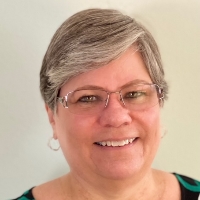
Florida · 22 yrs exp
Practical support for stress and life changes
Stress, Anxiety · Self esteem · Depression · Coping with life changes · +5 more
Read profile
Wisconsin · 11 yrs exp
Compassionate counselor focused on practical growth
Stress, Anxiety · Family · Trauma and abuse · Depression · +12 more
Read profile
Nebraska · 14 yrs exp
Practical support for change and coping
Stress, Anxiety · Grief · Bipolar · Depression · +13 more
Read profile
Texas · 10 yrs exp
Collaborative therapist helping you find practical change
Stress, Anxiety · Relationship · Family · Parenting · +5 more
Read profile
Virginia · 14 yrs exp
Collaborative, goal-focused counseling in Virginia
Trauma and abuse · Grief · Coping with life changes · Compassion fatigue · +12 more
Read profile
Wisconsin · 11 yrs exp
Therapist focused on practical change
Stress, Anxiety · Relationship · Family · Self esteem · +6 more
Read profile
New York · 24 yrs exp
Goal-focused social work for behavior change
Stress, Anxiety · Addictions · Family · Parenting · +9 more
Read profile
South Carolina · 13 yrs exp
Practical, direct therapy for life changes
Stress, Anxiety · Family · Parenting · Self esteem · +10 more
Read profile
Louisiana · 14 yrs exp
Practical, person-centered help for life challenges
Stress, Anxiety · Parenting · Anger · Self esteem · +1 more
Read profile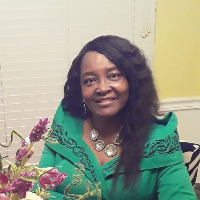
Florida · 20 yrs exp
Compassionate counselor focusing on practical change
Stress, Anxiety · Addictions · Relationship · Self esteem · +1 more
Read profile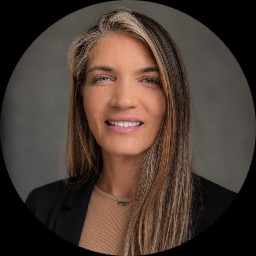
New York · 13 yrs exp
Calm guidance for life’s difficult moments
Stress, Anxiety · Self esteem · Depression · Coping with life changes · +8 more
Read profile
Texas · 3 yrs exp
Insight-driven counselor focused on practical change
Stress, Anxiety · Addictions · Relationship · Family · +5 more
Read profile
Florida · 8 yrs exp
Collaborative, practical therapy for everyday struggles
Stress, Anxiety · Relationship · Family · Coping with life changes · +9 more
Read profile
Florida · 11 yrs exp
Compassionate, practical therapy for real-life change
Stress, Anxiety · Relationship · Parenting · Self esteem · +11 more
Read profile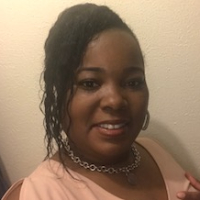
Louisiana · 10 yrs exp
Compassionate counselor focused on change
Stress, Anxiety · Trauma and abuse · Anger · Self esteem · +8 more
Read profileIf you are searching for help with loneliness or social isolation, you are likely looking for practical ways to feel more connected and understood. People come to this topic with a range of concerns - persistent loneliness that affects mood and motivation, periods of withdrawal after life changes, or difficulty finding satisfying social roles in work or community. Your experience may be rooted in circumstances such as relocation, caregiving, grief, chronic illness, workplace transitions or simply changes in the rhythms of daily life. It is also common to have mixed feelings about change - you might want more connection but feel anxious about reaching out or unsure where to start.
When you read profiles on this page, look for language that matches your situation. Some professionals describe working with adults who feel chronically disconnected, others note experience with life transitions or relationship skills. A listed focus area signals that the clinician considers loneliness as an area of interest, but it does not guarantee that they work with every age group or relationship type. You can use the profile details and listed location to narrow your search to those who seem to address the circumstances most like yours.
Motivational interviewing is a collaborative conversation style that helps you explore your own reasons for change and any mixed feelings you might have, without lecturing. It emphasizes your values and choice, and it can be applied to many kinds of change - habits, health, relationships, work and social engagement. On this directory page you will find professionals who list motivational interviewing among their approaches; that listing indicates they use that conversational style with some clients, not that it is the only method they offer or that it is a formal certification.
When loneliness is a concern, motivational interviewing techniques can help you clarify what matters most to you in relationships, identify small steps that feel doable, and address hesitation that keeps you stuck. Some people find it useful to pair that style with other therapeutic approaches that address social skills, grief, anxiety or behavioral patterns. Keep in mind that while motivational interviewing focuses on exploring your own motivations and ambivalence, other approaches you see in profiles may emphasize emotion processing, skill-building or cognitive perspectives. Those are options you can discuss with a clinician to see what might fit your goals.
When you review a profile, prepare a few focused questions that tell you how a clinician typically works and whether their experience aligns with your needs. You might ask how they describe their therapeutic style in conversation - whether they tend to take a directive, skills-based, exploratory or collaborative stance - and how they would approach the particular barriers you face to social connection. Ask whether they commonly work with people whose situation resembles yours, for example adults adjusting after relocation, people coping with long-term health-related isolation, or those who feel withdrawn after a relationship ends.
Pay attention to how credentials are presented. Academic degrees such as PhD, PsyD, MD, MA and MSW indicate a level of academic training, while professional permission to practice varies by country. In the United States clinicians typically hold state licenses; in the United Kingdom professionals may be registered with national regulators or be members of professional associations; in Australia clinicians may be registered or hold membership with relevant boards or associations. A degree alone does not establish current permission to practice. Profiles often list both academic degrees and professional status, so you can compare the two and ask a clinician to clarify how they are authorized to practice in the listed location.
If you are considering remote sessions, it helps to discuss practical and safety-related details before beginning. Talk about the technology you will use, whether the clinician recommends a video call or phone, and what you should do if a connection drops. Discuss the clinician's listed location and how that relates to licensing or registration, because rules about cross-border care differ by jurisdiction. Ask who to contact and what steps to follow if you have an urgent concern between sessions, and how the clinician manages boundaries around communication outside scheduled appointments.
You should also discuss the environment that will support your work together. For online sessions that means choosing a quiet, comfortable environment where you can speak openly and focus. Clarify expectations about session length and how goals will be reviewed over time. If you have specific needs - for instance accessibility considerations, hearing or vision supports, or language preferences - raise those early so you can determine whether a clinician’s approach and practical arrangements align with what you need.
Comparing profiles is more useful when you know what to look for. Start by reading how a clinician describes their focus areas and the populations they list. Look for terms that match your primary concern, such as working with adults experiencing social isolation, people navigating life transitions, or those addressing social anxiety. Note the approaches a clinician lists - for example therapists who list motivational interviewing among their approaches, those who mention emotion-focused or cognitive strategies, or those who describe a skills-oriented practice. Remember that a listed approach signals that the clinician may use it with some clients, not that every listed method is used with every client.
Languages offered and listed location are concrete details that affect how you connect. If you prefer to work in a language other than English, check the languages listed on profiles. When it comes to credentials, compare academic degrees and professional permission to practice in a given country or state. If you see abbreviations or titles you do not recognize, you can ask the clinician to explain what those credentials mean and how they relate to their scope of practice. Finally, look for descriptions of therapeutic style - words that indicate a more exploratory conversation style, a practical skills focus, or a coaching orientation - and think about which approach feels most likely to support your goals. If you are unsure, a brief outreach message can clarify how a clinician frames their work and whether their experience aligns with what you are seeking.
As you move from browsing to inquiry, remember that profiles are a starting point for conversation. Use the details you find to form specific questions about experience, approach and practical arrangements so you can choose a clinician whose listed strengths match the kind of support you want.
Alabama
56 therapists
Alaska
9 therapists
Arizona
56 therapists
Arkansas
25 therapists
Australia
77 therapists
California
261 therapists
Colorado
82 therapists
Connecticut
45 therapists
Delaware
7 therapists
District of Columbia
11 therapists
Florida
360 therapists
Georgia
84 therapists
Hawaii
22 therapists
Idaho
19 therapists
Illinois
141 therapists
Indiana
78 therapists
Iowa
18 therapists
Kansas
31 therapists
Kentucky
56 therapists
Louisiana
64 therapists
Maine
27 therapists
Maryland
52 therapists
Massachusetts
60 therapists
Michigan
170 therapists
Minnesota
65 therapists
Mississippi
30 therapists
Missouri
83 therapists
Montana
18 therapists
Nebraska
19 therapists
Nevada
25 therapists
New Hampshire
10 therapists
New Jersey
87 therapists
New Mexico
31 therapists
New York
251 therapists
North Carolina
148 therapists
North Dakota
6 therapists
Ohio
136 therapists
Oklahoma
49 therapists
Oregon
34 therapists
Pennsylvania
173 therapists
Rhode Island
11 therapists
South Carolina
56 therapists
South Dakota
10 therapists
Tennessee
69 therapists
Texas
328 therapists
United Kingdom
294 therapists
Utah
24 therapists
Vermont
8 therapists
Virginia
53 therapists
Washington
71 therapists
West Virginia
12 therapists
Wisconsin
78 therapists
Wyoming
6 therapists