
Jennifer Fishman
LPC, LCPCOregon · 17 yrs exp
Practical, strength-focused counseling
Stress, Anxiety · Anger · Self esteem · Career · +12 more
Read profileTherapist listings are provided by BetterHelp. We will earn a commission at no additional cost to you if you use our links to purchase.
Compare profiles of professionals who list Coaching and Motivational Interviewing among their approaches. Use the filters to review listed location, languages, credentials, and focus areas and find matches to your needs.
Browse profiles to learn how each professional describes their approach and experience, then contact them to discuss fit and next steps.
Oregon · 17 yrs exp
Practical, strength-focused counseling
Stress, Anxiety · Anger · Self esteem · Career · +12 more
Read profile
Florida · 32 yrs exp
Experienced counselor guiding personal change
LGBT · Grief · Self esteem · Coping with life changes · +1 more
Read profile
Maine · 12 yrs exp
Collaborative, goal-focused counselor
Stress, Anxiety · Self esteem · Depression · Coping with life changes · +16 more
Read profile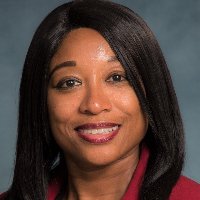
Georgia · 8 yrs exp
Hopeful, practical counseling for life challenges
Stress, Anxiety · Relationship · Family · Grief · +11 more
Read profile
Texas · 22 yrs exp
Practical, empathetic counseling for life transitions
Stress, Anxiety · Grief · Career · Depression · +9 more
Read profile
Illinois · 20 yrs exp
Practical, person-centered support for adults
Stress, Anxiety · LGBT · Anger · Self esteem · +12 more
Read profile
Texas · 12 yrs exp
Practical, goal-focused therapy for everyday challenges
Stress, Anxiety · Self esteem · Career · Depression · +9 more
Read profile
Texas · 10 yrs exp
Motivation-focused counselor guiding practical change
Relationship · Family · Anger · Self esteem · +12 more
Read profile
Pennsylvania · 13 yrs exp
Compassionate, practical therapy for life changes
Stress, Anxiety · LGBT · Relationship · Family · +12 more
Read profile
North Carolina · 13 yrs exp
Skilled LCSW blending therapy and coaching
Stress, Anxiety · Relationship · Family · Self esteem · +13 more
Read profile
South Dakota · 12 yrs exp
Straightforward therapy for real-life challenges
Stress, Anxiety · Relationship · Family · Trauma and abuse · +13 more
Read profile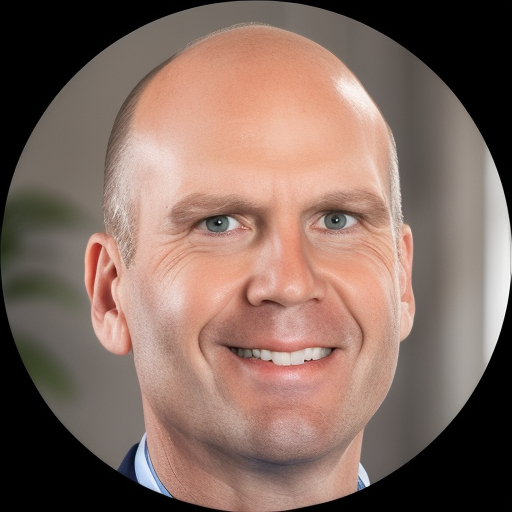
Michigan · 26 yrs exp
Experienced clinician focused on practical change
Stress, Anxiety · Trauma and abuse · Self esteem · Depression · +16 more
Read profile
Wisconsin · 11 yrs exp
Compassionate counselor focused on practical growth
Stress, Anxiety · Family · Trauma and abuse · Depression · +12 more
Read profile
Mississippi · 9 yrs exp
Compassionate counselor focused on change
Stress, Anxiety · Trauma and abuse · Parenting · Anger · +13 more
Read profile
Ohio · 20 yrs exp
Goal-focused counselor with 20 years experience
Stress, Anxiety · Addictions · Relationship · Family · +15 more
Read profile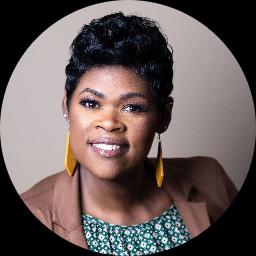
South Carolina · 13 yrs exp
Practical, direct therapy for life changes
Stress, Anxiety · Family · Parenting · Self esteem · +10 more
Read profile
North Carolina · 30 yrs exp
Calm, practical support focused on strengths
Stress, Anxiety · Family · Trauma and abuse · Parenting · +7 more
Read profile
South Carolina · 5 yrs exp
Practical, goal-focused counseling for everyday life
Relationship · Family · Trauma and abuse · Intimacy-related issues · +15 more
Read profile
New York · 13 yrs exp
Calm guidance for life’s difficult moments
Stress, Anxiety · Self esteem · Depression · Coping with life changes · +8 more
Read profile
Florida · 8 yrs exp
Collaborative, practical therapy for everyday struggles
Stress, Anxiety · Relationship · Family · Coping with life changes · +9 more
Read profile
Florida · 11 yrs exp
Compassionate, practical therapy for real-life change
Stress, Anxiety · Relationship · Parenting · Self esteem · +11 more
Read profile
New York · 13 yrs exp
Practical, goal-focused social work support
Stress, Anxiety · Trauma and abuse · Career · Depression · +8 more
Read profile
Montana · 10 yrs exp
Listens first, supports practical change
Stress, Anxiety · Trauma and abuse · Grief · Parenting · +9 more
Read profile
Texas · 11 yrs exp
Warm, practical counseling for everyday challenges
Stress, Anxiety · Relationship · Family · Self esteem · +13 more
Read profileWhen you look for Coaching combined with Motivational Interviewing, you are exploring a collaborative conversation style that helps people identify and weigh their own reasons for change and mixed feelings about it, without lecturing. Motivational Interviewing is often used alongside other approaches and can help you clarify values, build motivation, and move toward specific goals. This might apply to changing daily habits, improving health routines, addressing work transitions, or navigating relationship shifts. It is not limited to any single issue and does not imply a specific outcome.
You should expect descriptions in profiles that explain whether a professional frames their Coaching around behavior change, performance goals, wellness, or life transitions. Read how they describe the work and the kinds of questions they focus on. That will give you a sense of whether their style of coaching aligns with the kind of exploration and decision-making support you are seeking.
Keep in mind that a profile noting Motivational Interviewing indicates the approach has a place in that professional's toolkit. It is wise to ask directly how they combine it with other approaches when you speak with them, because different practitioners emphasize different goals and ways of working.
This directory groups profiles where Motivational Interviewing is listed among clinical approaches and where Coaching is offered as a focus area. That connection signals an overlap in interest - professionals who describe themselves as coaches may also use Motivational Interviewing to assist clients exploring change. However, listing an approach does not prove specialization, certification, or a particular scope of practice. Profiles are summaries of what each professional chooses to highlight.
As you review profiles you will see variations in how Coaching is described. Some professionals emphasize goal setting and accountability within a collaborative framework. Others describe more exploratory conversations about values and barriers. Because Motivational Interviewing is a conversational style rather than a single technique, it can be adapted to many contexts. Your role in choosing a match is to assess how that adaptation fits what you want to work on.
Also note that the directory includes professionals from the United States, the United Kingdom, and Australia. Terminology differs across these countries - the United States emphasizes state or professional licensing, while in the United Kingdom and Australia you will see references to registration, membership, or professional bodies. A degree such as a PhD, PsyD, MD, MA, or MSW is an academic credential and does not by itself confirm current permission to practice. Look for clear wording in profiles about professional standing in the listed location and ask about the details that matter to you.
When you contact someone whose profile interests you, concrete questions help you compare fit. You might ask how they typically structure a coaching conversation that uses Motivational Interviewing, and how they balance exploring motivation with practical planning. Ask them to describe a recent example of the kinds of goals they help people work on, without expecting specific guarantees about outcomes.
Clarify whether they focus on habit change, health behavior, work transitions, relationship adjustments, or another area. Request examples of complementary approaches they might draw on and ask how they decide which tools to use. If communication style matters to you, ask whether they tend to be more directive or more reflective in sessions and how they handle moments when you express ambivalence.
Another useful line of questioning concerns experience with populations similar to you. You can ask about the age groups, life stages, cultural perspectives, or communities they have worked with and whether they have supported people with similar priorities. If language access is important, confirm the languages spoken in their profile. These specifics will help you determine whether a given profile lines up with your expectations and needs.
If you are considering remote or digital coaching conversations, there are practical topics worth discussing upfront. Ask which platforms they use for meetings and what protections are in place for recorded information, how session notes are stored, and whether sessions are encrypted. Inquire about the best ways to communicate between meetings - for example, whether they prefer email or a platform messaging tool - and what kinds of response times you can expect for non-urgent messages.
Talk about boundaries and scope of care before you begin. Clarify what the professional considers within their coaching remit and what matters they would refer to another kind of practitioner. If you have any health concerns or a legal question, ask how those issues would be handled and whether a collaborative plan with other professionals is recommended. Also discuss what to do in an urgent situation in your listed location so you know how emergencies are managed in the area where you are located.
It is reasonable to ask about session length, how progress or focus is reviewed over time, and how you will set or revise goals together. These conversations will help you form realistic expectations of the working relationship and decide which profile seems most aligned with how you want to engage.
Profiles vary in the depth of information they share. To compare them effectively, pay attention to four broad categories: focus areas, languages, credentials, and descriptive statements about style. Focus areas tell you the kinds of changes each professional commonly addresses - such as habit formation, career transitions, stress management, or relational communication. Matching focus areas to your goals reduces the time you spend exploring options that are not relevant.
Language can be central to feeling understood. If a profile lists additional languages, consider whether those are languages you prefer to use in coaching. Credentials and academic degrees are often listed together on profiles. Recognize that degrees like PhD, PsyD, MD, MA, and MSW indicate educational background, while licensing, registration, or membership indicate professional standing in a particular region. In the United States you will commonly see mention of state licensure for clinical roles. In the United Kingdom and Australia you may see references to registration or membership in professional associations. A degree alone does not confirm current permission to practice; you may wish to ask for clarification about professional registration in the listed location.
Finally, read the descriptive language about style and approach. Some professionals describe themselves as facilitative and reflective, others emphasize structured goal-setting, and others highlight collaborative inquiry. Look for examples of how they describe working with ambivalence and motivation, and consider whether that tone feels like a match for how you prefer to engage. Combining these elements will help you narrow profiles to a few that seem most likely to fit your priorities, and prepare you to ask specific questions when you reach out to learn more.
Use the comparison tools above the listings to filter by listed location, language, and focus, then open individual profiles to read deeper descriptions. When you contact a professional, use the questions in this article to guide the conversation so you can determine how they describe their use of Motivational Interviewing and Coaching. Doing this makes it easier to find a professional whose approach, credentials, and communication style match what you want to work on.
Alabama
56 therapists
Alaska
9 therapists
Arizona
56 therapists
Arkansas
25 therapists
Australia
77 therapists
California
261 therapists
Colorado
82 therapists
Connecticut
45 therapists
Delaware
7 therapists
District of Columbia
11 therapists
Florida
360 therapists
Georgia
84 therapists
Hawaii
22 therapists
Idaho
19 therapists
Illinois
141 therapists
Indiana
78 therapists
Iowa
18 therapists
Kansas
31 therapists
Kentucky
56 therapists
Louisiana
64 therapists
Maine
27 therapists
Maryland
52 therapists
Massachusetts
60 therapists
Michigan
170 therapists
Minnesota
65 therapists
Mississippi
30 therapists
Missouri
83 therapists
Montana
18 therapists
Nebraska
19 therapists
Nevada
25 therapists
New Hampshire
10 therapists
New Jersey
87 therapists
New Mexico
31 therapists
New York
251 therapists
North Carolina
148 therapists
North Dakota
6 therapists
Ohio
136 therapists
Oklahoma
49 therapists
Oregon
34 therapists
Pennsylvania
173 therapists
Rhode Island
11 therapists
South Carolina
56 therapists
South Dakota
10 therapists
Tennessee
69 therapists
Texas
328 therapists
United Kingdom
294 therapists
Utah
24 therapists
Vermont
8 therapists
Virginia
53 therapists
Washington
71 therapists
West Virginia
12 therapists
Wisconsin
78 therapists
Wyoming
6 therapists