
Dr. Rebecca McDonough
LMHCFlorida · 32 yrs exp
Experienced counselor guiding personal change
LGBT · Grief · Self esteem · Coping with life changes · +1 more
Read profileTherapist listings are provided by BetterHelp. We will earn a commission at no additional cost to you if you use our links to purchase.
This page groups professionals who list Life Purpose among their focus areas and who also list motivational interviewing among their clinical approaches. You can compare listed location, focus areas, academic degrees, professional registration or licensure, languages, and described therapeutic style. Browse the profiles below to learn more about each clinician and decide who you might contact for an initial conversation.
Florida · 32 yrs exp
Experienced counselor guiding personal change
LGBT · Grief · Self esteem · Coping with life changes · +1 more
Read profile
Maine · 12 yrs exp
Collaborative, goal-focused counselor
Stress, Anxiety · Self esteem · Depression · Coping with life changes · +16 more
Read profile
New York · 5 yrs exp
Motivational and practical counseling
Stress, Anxiety · LGBT · Trauma and abuse · Bipolar · +12 more
Read profile
Texas · 22 yrs exp
Practical, empathetic counseling for life transitions
Stress, Anxiety · Grief · Career · Depression · +9 more
Read profile
Illinois · 20 yrs exp
Practical, person-centered support for adults
Stress, Anxiety · LGBT · Anger · Self esteem · +12 more
Read profile
Oregon · 14 yrs exp
Practical, supportive counseling for life changes
Grief · Self esteem · Career · Depression · +8 more
Read profile
New York · 11 yrs exp
Compassionate counselor for life transitions
Stress, Anxiety · Grief · Self esteem · Relationship · +8 more
Read profile
Texas · 12 yrs exp
Practical, goal-focused therapy for everyday challenges
Stress, Anxiety · Self esteem · Career · Depression · +9 more
Read profile
Texas · 10 yrs exp
Motivation-focused counselor guiding practical change
Relationship · Family · Anger · Self esteem · +12 more
Read profile
Oklahoma · 30 yrs exp
Compassionate counselor who values dignity and hope
Stress, Anxiety · Grief · Intimacy-related issues · Depression · +8 more
Read profile
North Carolina · 13 yrs exp
Skilled LCSW blending therapy and coaching
Stress, Anxiety · Relationship · Family · Self esteem · +13 more
Read profile
South Carolina · 36 yrs exp
Compassionate therapist for life transitions
Stress, Anxiety · Addictions · Family · Trauma and abuse · +3 more
Read profile
Indiana · 11 yrs exp
Motivational, practical partnership for change
Stress, Anxiety · Grief · Depression · Coping with life changes · +8 more
Read profile
Wisconsin · 11 yrs exp
Compassionate counselor focused on practical growth
Stress, Anxiety · Family · Trauma and abuse · Depression · +12 more
Read profile
Nebraska · 14 yrs exp
Practical support for change and coping
Stress, Anxiety · Grief · Bipolar · Depression · +13 more
Read profile
Mississippi · 9 yrs exp
Compassionate counselor focused on change
Stress, Anxiety · Trauma and abuse · Parenting · Anger · +13 more
Read profile
Texas · 10 yrs exp
Collaborative therapist helping you find practical change
Stress, Anxiety · Relationship · Family · Parenting · +5 more
Read profile
Virginia · 14 yrs exp
Collaborative, goal-focused counseling in Virginia
Trauma and abuse · Grief · Coping with life changes · Compassion fatigue · +12 more
Read profile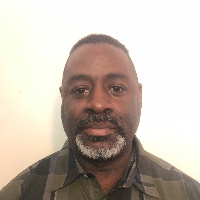
Texas · 6 yrs exp
Trauma-focused counselor with a hopeful approach
Stress, Anxiety · Trauma and abuse · Depression · Grief · +4 more
Read profile
Wisconsin · 11 yrs exp
Therapist focused on practical change
Stress, Anxiety · Relationship · Family · Self esteem · +6 more
Read profile
New York · 24 yrs exp
Goal-focused social work for behavior change
Stress, Anxiety · Addictions · Family · Parenting · +9 more
Read profile
South Carolina · 13 yrs exp
Practical, direct therapy for life changes
Stress, Anxiety · Family · Parenting · Self esteem · +10 more
Read profile
Louisiana · 14 yrs exp
Practical, person-centered help for life challenges
Stress, Anxiety · Parenting · Anger · Self esteem · +1 more
Read profile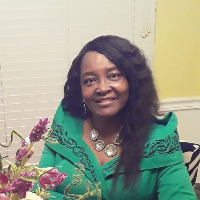
Florida · 20 yrs exp
Compassionate counselor focusing on practical change
Stress, Anxiety · Addictions · Relationship · Self esteem · +1 more
Read profileWhen you are thinking about life purpose you are often weighing values, choices, and the everyday decisions that shape how you spend your time. You might be at a transition point - changing careers, finishing education, experiencing a relationship shift, or facing retirement - or you may simply feel that your day-to-day life does not match your deeper aims. Seeking a clinician to talk through those concerns can help you sort out what matters most to you, identify barriers that keep you from acting on those priorities, and develop concrete next steps you feel ready to try. Support for life purpose can overlap with work on motivation, habit change, goal-setting, and meaning-making, but it does not mean every clinician will approach those topics in the same way or with the same emphasis.
On this directory page you will find profiles of practitioners who list Life Purpose among their areas of focus and who list motivational interviewing as one of their clinical approaches. That listing indicates an interest in helping people explore change but is not evidence of a specific credential. Use the profile details and descriptions to get a sense of whether a clinician’s emphasis aligns with your concerns before you reach out to learn more.
Motivational interviewing, described plainly, is a collaborative conversation style that helps you explore your own reasons for change and your mixed feelings about it, without lecturing. It is designed to draw out your values and personal motivations so you can make choices that fit who you are. This approach is used for many kinds of change - habits, health, relationships, and work - so it can be applied when you are exploring life purpose as well as when you are addressing practical obstacles to follow-through.
When you look at profiles on this page, note that a clinician who lists motivational interviewing among their approaches may combine it with other ways of working. Some practitioners integrate values-focused work with goal-setting strategies, narrative approaches, or other therapeutic models. Because the directory records only what clinicians choose to list, it is a good idea to ask how motivational interviewing is used in their practice - whether it informs the overall style of conversation, is part of a defined protocol, or is blended with other methods to help you explore purpose and make concrete changes.
Before you commit to an initial conversation, you can prepare a set of concrete questions that help you compare clinicians. Ask how they use motivational interviewing in sessions and whether they integrate it with other approaches you might be interested in. Inquire about the kinds of life-purpose concerns they commonly work with - whether that is career transitions, meaning after major life events, balancing caregiving and personal goals, or clarifying values. Ask how long they have worked with those issues and what kinds of outcomes people tend to focus on, while remembering that past listings do not guarantee future results.
It is also important to understand credentials and how they relate to practice. Academic degrees such as PhD, PsyD, MD, MA, or MSW describe educational background but do not, by themselves, indicate whether a clinician currently holds professional permission to practice. In the United States, clinicians typically hold state licenses such as social work, counseling, marriage and family therapy, or psychology licenses. In the United Kingdom and Australia, clinicians may be registered with national boards or be members of professional associations. You can ask a clinician what professional registration or licensure they hold in their listed location and whether that status affects the services they provide. Finally, clarify whether the clinician typically works with adults only, or with adolescents, couples, or families, since a specialty listing does not guarantee a particular population is treated.
If you are considering online or remote conversations, there are specific practical items to cover so you know what to expect. Ask which platforms or tools the clinician uses, and whether they have procedures for protecting your information and managing technical interruptions. Because clinicians listed here work across the United States, the United Kingdom, and Australia, you should discuss how their professional registration or license relates to working with people in different states or countries. Some clinicians can offer care across borders and jurisdictions, while others focus on their local region. Checking the clinician’s listed location and asking how that relates to professional permissions will help you understand the context for care.
Also talk about session logistics - how long a typical session lasts, how they structure a first conversation when someone is exploring life purpose, and what you might expect in terms of follow-up or homework if that is part of their approach. If you are connecting from a different time zone, confirm scheduling conventions. Ask whether the clinician meets from a private space when conducting remote sessions and what steps they take to protect records and communications. Discussing these practicalities up front helps you judge whether the clinician’s way of working fits the constraints and preferences you bring.
When you review profiles on this page, look beyond a single label and read the descriptions of focus areas and therapeutic style. Compare how clinicians describe life purpose work - some may emphasize values clarification and narrative exploration, while others describe helping clients set small, manageable steps toward a broader aim. Consider the other approaches listed alongside motivational interviewing, remembering that listing an approach indicates that a clinician uses it with some clients, not that it is the exclusive or certified method they apply.
Language options matter for subtle topics like life purpose, so note which languages are listed in each profile. Cultural background and experience with particular populations can shape how a clinician frames questions about meaning and goals, so you may want to ask about experience with issues relevant to your background. Compare academic degrees with professional registration or license information. A degree such as PhD or MSW conveys training; a licensing or registration status indicates current permission to practice in a given jurisdiction. Finally, pay attention to descriptions of therapeutic style - whether the clinician emphasizes a collaborative, exploratory tone, a structured coaching approach, or reflective narrative work - and think about which tone would help you engage most honestly with questions about purpose and change.
Profiles on this site are designed to help you narrow your options so you can reach out to clinicians who seem aligned with your needs. When you make contact, use the specific questions suggested here to confirm how the clinician works and to find out whether a short introductory conversation would be a helpful next step. That direct exchange is the clearest way to see if a clinician’s combination of focus areas, approaches, languages, and professional standing fits the way you want to explore life purpose and making changes at your own pace.
Alabama
56 therapists
Alaska
9 therapists
Arizona
56 therapists
Arkansas
25 therapists
Australia
77 therapists
California
261 therapists
Colorado
82 therapists
Connecticut
45 therapists
Delaware
7 therapists
District of Columbia
11 therapists
Florida
360 therapists
Georgia
84 therapists
Hawaii
22 therapists
Idaho
19 therapists
Illinois
141 therapists
Indiana
78 therapists
Iowa
18 therapists
Kansas
31 therapists
Kentucky
56 therapists
Louisiana
64 therapists
Maine
27 therapists
Maryland
52 therapists
Massachusetts
60 therapists
Michigan
170 therapists
Minnesota
65 therapists
Mississippi
30 therapists
Missouri
83 therapists
Montana
18 therapists
Nebraska
19 therapists
Nevada
25 therapists
New Hampshire
10 therapists
New Jersey
87 therapists
New Mexico
31 therapists
New York
251 therapists
North Carolina
148 therapists
North Dakota
6 therapists
Ohio
136 therapists
Oklahoma
49 therapists
Oregon
34 therapists
Pennsylvania
173 therapists
Rhode Island
11 therapists
South Carolina
56 therapists
South Dakota
10 therapists
Tennessee
69 therapists
Texas
328 therapists
United Kingdom
294 therapists
Utah
24 therapists
Vermont
8 therapists
Virginia
53 therapists
Washington
71 therapists
West Virginia
12 therapists
Wisconsin
78 therapists
Wyoming
6 therapists