
Dr. Rebecca McDonough
LMHCFlorida · 32 yrs exp
Experienced counselor guiding personal change
LGBT · Grief · Self esteem · Coping with life changes · +1 more
Read profileTherapist listings are provided by BetterHelp. We will earn a commission at no additional cost to you if you use our links to purchase.
Explore profiles of therapists who list communication problems as a focus and motivational interviewing among their approaches. Use filters for listed location, languages, degrees, and therapeutic style to compare clinicians. Browse profiles below to identify professionals you might contact to discuss your needs.
Florida · 32 yrs exp
Experienced counselor guiding personal change
LGBT · Grief · Self esteem · Coping with life changes · +1 more
Read profile
New York · 5 yrs exp
Motivational and practical counseling
Stress, Anxiety · LGBT · Trauma and abuse · Bipolar · +12 more
Read profile
Illinois · 20 yrs exp
Practical, person-centered support for adults
Stress, Anxiety · LGBT · Anger · Self esteem · +12 more
Read profile
Oregon · 14 yrs exp
Practical, supportive counseling for life changes
Grief · Self esteem · Career · Depression · +8 more
Read profile
New York · 11 yrs exp
Compassionate counselor for life transitions
Stress, Anxiety · Grief · Self esteem · Relationship · +8 more
Read profile
Texas · 12 yrs exp
Practical, goal-focused therapy for everyday challenges
Stress, Anxiety · Self esteem · Career · Depression · +9 more
Read profile
New York · 11 yrs exp
Change-focused, collaborative counselor
Stress, Anxiety · Addictions · Bipolar · Depression · +12 more
Read profile
North Carolina · 13 yrs exp
Skilled LCSW blending therapy and coaching
Stress, Anxiety · Relationship · Family · Self esteem · +13 more
Read profile
South Carolina · 36 yrs exp
Compassionate therapist for life transitions
Stress, Anxiety · Addictions · Family · Trauma and abuse · +3 more
Read profile
Michigan · 15 yrs exp
Encouraging, practical therapy for real-life challenges
Stress, Anxiety · Anger · Self esteem · Depression · +10 more
Read profile
Indiana · 11 yrs exp
Motivational, practical partnership for change
Stress, Anxiety · Grief · Depression · Coping with life changes · +8 more
Read profile
South Dakota · 12 yrs exp
Straightforward therapy for real-life challenges
Stress, Anxiety · Relationship · Family · Trauma and abuse · +13 more
Read profile
Florida · 22 yrs exp
Practical support for stress and life changes
Stress, Anxiety · Self esteem · Depression · Coping with life changes · +5 more
Read profile
Wisconsin · 11 yrs exp
Compassionate counselor focused on practical growth
Stress, Anxiety · Family · Trauma and abuse · Depression · +12 more
Read profile
Nebraska · 14 yrs exp
Practical support for change and coping
Stress, Anxiety · Grief · Bipolar · Depression · +13 more
Read profile
Texas · 10 yrs exp
Collaborative therapist helping you find practical change
Stress, Anxiety · Relationship · Family · Parenting · +5 more
Read profile
Texas · 8 yrs exp
Experienced LCSW guiding practical change
Stress, Anxiety · Relationship · Self esteem · Depression · +8 more
Read profile
Virginia · 14 yrs exp
Collaborative, goal-focused counseling in Virginia
Trauma and abuse · Grief · Coping with life changes · Compassion fatigue · +12 more
Read profile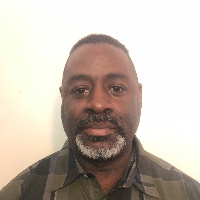
Texas · 6 yrs exp
Trauma-focused counselor with a hopeful approach
Stress, Anxiety · Trauma and abuse · Depression · Grief · +4 more
Read profile
Ohio · 20 yrs exp
Goal-focused counselor with 20 years experience
Stress, Anxiety · Addictions · Relationship · Family · +15 more
Read profile
Wisconsin · 11 yrs exp
Therapist focused on practical change
Stress, Anxiety · Relationship · Family · Self esteem · +6 more
Read profile
New York · 24 yrs exp
Goal-focused social work for behavior change
Stress, Anxiety · Addictions · Family · Parenting · +9 more
Read profile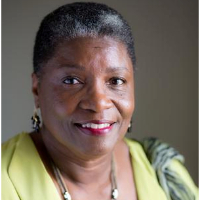
Florida · 12 yrs exp
Experienced counselor focused on practical change
Stress, Anxiety · Addictions · Parenting · Depression · +8 more
Read profile
South Carolina · 13 yrs exp
Practical, direct therapy for life changes
Stress, Anxiety · Family · Parenting · Self esteem · +10 more
Read profileWhen communication feels stuck, it can touch nearly every corner of your life. You might be struggling to express needs, feeling misunderstood at work, having repeated arguments in close relationships, or facing anxiety about social interactions. Communication differences can also arise from life transitions, cultural or language differences, sensory or neurodivergent profiles, or the lingering effects of past conflict. You are not limited to a single reason for seeking help - many people come because they want clearer boundaries, to be heard more often, to reduce reactive responses, or to rebuild trust after a rupture.
In thinking about what you want from support, consider whether you want to practice new skills, change habitual patterns of speech or tone, learn strategies for repair after conflict, or explore the feelings that make it hard to say what you mean. Some people want targeted coaching on workplace conversations or public speaking; others want longer conversations about how early family patterns influence the way they communicate today. Whatever your reason, being able to describe a few concrete situations where communication breaks down will help you compare profiles and ask focused questions when you reach out to a clinician.
Motivational interviewing is a collaborative conversation style that helps people explore their own reasons for change and mixed feelings about it, without lecturing. It is commonly used to support many kinds of change - from shifting day-to-day habits to trying different ways of interacting with others - and is not limited to any single concern. In this directory, you will find therapists who list motivational interviewing among their approaches, which can mean they use its conversational stance to help you notice your priorities, weigh options, and articulate small steps that feel doable.
For communication concerns, that approach can be helpful if you want to resolve ambivalence about changing a habitual way of responding, or if you want to experiment with speaking up in a relationship but are unsure about the consequences. Motivational interviewing techniques often focus on asking open questions, reflecting what you say, and eliciting your own goals and values about change rather than prescribing solutions. You can look for profiles that mention this approach if you prefer a collaborative, exploratory style, while remembering that different clinicians may combine motivational interviewing with other approaches. Therapists who list EMDR among their approaches, for example, may describe a different focus in their biographies; a listed approach is an option to discuss, not proof of a specific qualification.
When you review profiles, prepare a few concrete questions that matter to you. You might ask how a clinician integrates motivational interviewing with other methods, and request an example of how that blend has been used with communication issues. You could inquire whether they have experience addressing workplace communication or improving conversations in romantic partnerships, and whether they work with people who share your cultural background or communicate in your preferred language. Ask about their approach to practicing new skills during sessions - do they focus on role play, reflection, or in-the-moment feedback - and which parts of communication they typically address first, such as listening skills, nonverbal cues, or assertiveness.
Also check the way a clinician describes their credentials in their profile. Degrees such as PhD, PsyD, MD, MA, and MSW indicate academic training but do not by themselves establish current permission to practice. In the United States, clinicians often note a professional license; in the United Kingdom, profiles may reference regulatory registration or professional membership; in Australia, practitioners may list registration or association membership. You can ask specifically whether the clinician is permitted to work with you in your listed location, and what professional title they hold. Remember that a listed topic does not establish that the therapist treats children, couples, or families. Readers should discuss their needs and the therapist's actual scope directly.
If you are considering remote sessions, there are practical items to cover before you begin. Ask whether the clinician is authorized to provide support to people in your listed location, since rules about cross-region practice vary between the United States, the United Kingdom, and Australia. Talk about privacy practices and how session notes and communications are handled, and describe any safety concerns so you and the clinician can agree a plan for times when you need urgent help. You should also discuss whether the therapist regularly works with issues similar to yours - for example, workplace communication, neurodiversity, or relationship repair - and whether they offer ways to practice new skills between appointments.
Clear expectations about session structure make it easier to decide if a clinician’s style fits you. If you prefer more directive coaching, or if you want exploratory conversations that focus on your values and motivation, say so and ask how the therapist typically balances guidance with listening. If language matters, confirm which languages are used in sessions and whether written materials are available in other languages. These conversations do not determine outcomes, but they help you compare profiles and identify professionals whose approach matches the kind of support you want.
Comparing profiles effectively means matching specifics to your priorities. Look for clinicians who list communication problems as a focus and note which kinds of situations they mention - for example, conflict resolution, assertiveness, or social anxiety. Pay attention to the approaches they list, remembering that a clinician may include motivational interviewing among several options; the wording in a profile can give you a sense of whether they lean toward exploratory conversation, skills training, or a combination. Notice whether profiles reference work with particular communities, life stages, or industries if those details matter to you.
Languages and accessibility features are practical filters. If you prefer sessions in a language other than English, search profiles that list that language and ask about comfort level and experience providing therapy in it. For credentials, read whether a clinician lists a degree such as PhD, PsyD, MD, MA, or MSW and whether they also mention a professional license, registration, or membership in an appropriate regulatory or professional body for their country. A degree alone does not guarantee current permission to practice, so ask about the clinician’s professional standing in your listed location. Finally, pay attention to tone - a profile that emphasizes collaborative conversation and eliciting your goals may indicate a style that fits someone looking to explore change at their own pace, while a profile that emphasizes structured skill building may suit someone seeking concrete communication practice. Use profile details to form a few targeted questions you can raise when you reach out, and trust your sense of fit when deciding whom to contact for an initial conversation.
Choosing a clinician is a personal process and this page is meant to help you compare profiles and approaches so you can make informed choices. Browse the profiles, note the listed location and credentials, and reach out to discuss specifics with any clinician whose description resonates with you.
Alabama
56 therapists
Alaska
9 therapists
Arizona
56 therapists
Arkansas
25 therapists
Australia
77 therapists
California
261 therapists
Colorado
82 therapists
Connecticut
45 therapists
Delaware
7 therapists
District of Columbia
11 therapists
Florida
360 therapists
Georgia
84 therapists
Hawaii
22 therapists
Idaho
19 therapists
Illinois
141 therapists
Indiana
78 therapists
Iowa
18 therapists
Kansas
31 therapists
Kentucky
56 therapists
Louisiana
64 therapists
Maine
27 therapists
Maryland
52 therapists
Massachusetts
60 therapists
Michigan
170 therapists
Minnesota
65 therapists
Mississippi
30 therapists
Missouri
83 therapists
Montana
18 therapists
Nebraska
19 therapists
Nevada
25 therapists
New Hampshire
10 therapists
New Jersey
87 therapists
New Mexico
31 therapists
New York
251 therapists
North Carolina
148 therapists
North Dakota
6 therapists
Ohio
136 therapists
Oklahoma
49 therapists
Oregon
34 therapists
Pennsylvania
173 therapists
Rhode Island
11 therapists
South Carolina
56 therapists
South Dakota
10 therapists
Tennessee
69 therapists
Texas
328 therapists
United Kingdom
294 therapists
Utah
24 therapists
Vermont
8 therapists
Virginia
53 therapists
Washington
71 therapists
West Virginia
12 therapists
Wisconsin
78 therapists
Wyoming
6 therapists