
Donna Wolf Robichaud
LPCTexas · 22 yrs exp
Practical, empathetic counseling for life transitions
Stress, Anxiety · Grief · Career · Depression · +9 more
Read profileTherapist listings are provided by BetterHelp. We will earn a commission at no additional cost to you if you use our links to purchase.
Compare profiles to find professionals whose focus areas, approaches, credentials, listed location, and languages match what you need. Browse the listings below to review therapist profiles and learn more about how they describe their work with chronic illness and change.
Texas · 22 yrs exp
Practical, empathetic counseling for life transitions
Stress, Anxiety · Grief · Career · Depression · +9 more
Read profile
Texas · 10 yrs exp
Motivation-focused counselor guiding practical change
Relationship · Family · Anger · Self esteem · +12 more
Read profile
Georgia · 3 yrs exp
Empathetic, direct counseling for real-life challenges
Stress, Anxiety · Self esteem · Career · Depression · +1 more
Read profile
Illinois · 39 yrs exp
Experienced LCSW focusing on motivation and coping
Stress, Anxiety · Relationship · Grief · Sleeping · +1 more
Read profile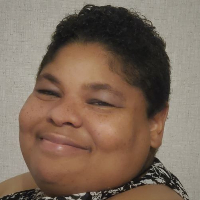
Texas · 3 yrs exp
Motivational, practical support for change
Stress, Anxiety · Anger · Depression · Addictions · +8 more
Read profile
Connecticut · 12 yrs exp
Compassionate guidance for life transitions
Stress, Anxiety · Addictions · Family · Grief · +13 more
Read profile
Illinois · 11 yrs exp
Motivation-focused social worker for practical change
Stress, Anxiety · LGBT · Self esteem · Career · +7 more
Read profile
Texas · 28 yrs exp
Experienced LCSW focused on practical growth
Stress, Anxiety · Relationship · Trauma and abuse · Depression · +7 more
Read profile
California · 12 yrs exp
Practical, bilingual LCSW focused on change
Stress, Anxiety · Relationship · Grief · Depression · +13 more
Read profile
United Kingdom · 23 yrs exp
Calm, practical counselling for life changes
Stress, Anxiety · LGBT · Relationship · Anger · +5 more
Read profile
Oregon · 3 yrs exp
Compassionate, direct therapy for change
Stress, Anxiety · Trauma and abuse · Grief · Bipolar · +9 more
Read profile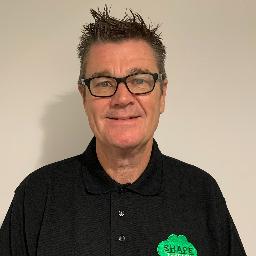
United Kingdom · 5 yrs exp
Person-centred counsellor with lived experience
Stress, Anxiety · Addictions · Relationship · Family · +14 more
Read profile
United Kingdom · 8 yrs exp
Experienced counsellor focused on personal change
Stress, Anxiety · Relationship · Family · Trauma and abuse · +7 more
Read profile
Idaho · 3 yrs exp
Warm, curious counseling for life changes
Stress, Anxiety · LGBT · Trauma and abuse · Parenting · +11 more
Read profile
United Kingdom · 5 yrs exp
Calm support for change and coping
Stress, Anxiety · Self esteem · Career · Depression · +1 more
Read profile
United Kingdom · 5 yrs exp
Practical, motivation-focused counselling
Stress, Anxiety · Relationship · Grief · Self esteem · +10 more
Read profile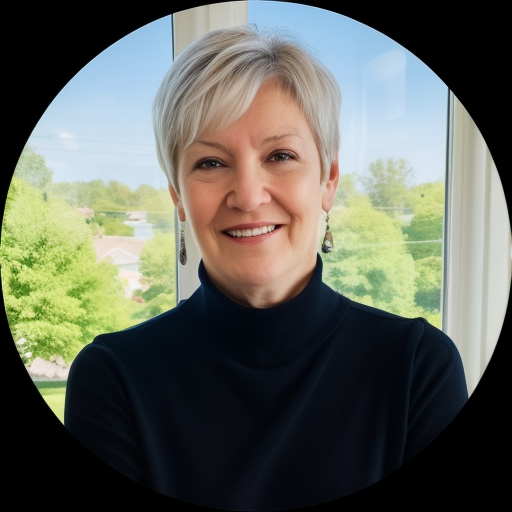
Ohio · 24 yrs exp
Compassionate counselor focused on motivation and change
Stress, Anxiety · Trauma and abuse · Grief · Depression · +10 more
Read profile
Idaho · 13 yrs exp
Compassionate, practical support for change
Stress, Anxiety · Addictions · Trauma and abuse · Depression · +7 more
Read profile
United Kingdom · 14 yrs exp
Experienced person-centred counsellor focused on change
Stress, Anxiety · Grief · Self esteem · Depression · +6 more
Read profile
United Kingdom · 9 yrs exp
Calm, practical counselling for adults
Stress, Anxiety · Relationship · Trauma and abuse · Grief · +11 more
Read profile
United Kingdom · 8 yrs exp
Compassionate, practical psychotherapy for life changes
Stress, Anxiety · Grief · Self esteem · Depression · +10 more
Read profile
United Kingdom · 7 yrs exp
Compassionate counsellor for life transitions
Stress, Anxiety · Trauma and abuse · Grief · Self esteem · +6 more
Read profile
Kentucky · 22 yrs exp
Experienced counsellor who focuses on motivation and healing
Trauma and abuse · Grief · Self esteem · Career · +1 more
Read profile
United Kingdom · 12 yrs exp
Understanding support for relationships and life changes
Relationship · Family · Grief · Intimacy-related issues · +15 more
Read profileLiving with a long-term health condition often means balancing medical care, symptom management, daily routines, relationships, and emotional well-being. When you are searching for help, you are likely looking for someone who recognizes how these threads intersect. You may want support exploring motivation for self-care tasks, coping with fatigue or pain, adapting goals and identity after diagnosis, or managing the ups and downs of treatment decisions. In many cases you will benefit from a practitioner who listens without lecturing and helps you sort through mixed feelings about change. That type of collaborative conversation is a core service described in many profiles you will see on this page, and it can be applied to a wide range of concerns related to chronic illness.
When you read profiles, pay attention to how clinicians describe the issues they work with. Some may emphasize symptom management, others emotional adjustment or lifestyle changes such as sleep, nutrition, activity, or medication routines. A listed focus on chronic illness can mean varied kinds of experience. Profiles are a starting point for deciding which professionals seem aligned with your priorities, and you should bring specific questions to any initial conversation so you can assess fit for your needs.
This directory highlights motivational interviewing and the broader theme of making changes. Motivational interviewing is a collaborative conversation style that helps people explore their own reasons for change and mixed feelings about it, without lecturing. It is used to support many kinds of change - habits, health routines, relationships, work - and is not limited to any single diagnosis. On pages like this you will find clinicians who list motivational interviewing among their approaches; that listing indicates a preference or orientation but does not by itself document a particular credential or outcome.
If you are thinking about change in the context of a chronic condition, motivational interviewing may help you clarify what matters most, weigh pros and cons, and set manageable goals that reflect your values. It can be paired with other approaches described in profiles. As you compare profiles, keep in mind that a listed approach signals an area a clinician works with, but it does not guarantee a specific technique or result. Use profiles to identify likely matches and then ask direct questions about what to expect in sessions.
When you contact a clinician you want to be prepared with concrete questions that reveal how they might work with you. You can ask about the kinds of chronic conditions they have supported and ask for examples of common goals they address, such as improving daily energy, managing treatment routines, or coping with anxiety related to symptoms. It is reasonable to ask how they use motivational interviewing in their conversations - for example, whether they focus on exploring ambivalence, identifying personal values that guide decisions, or helping you design small, achievable steps.
Ask about the balance between practical problem solving and emotional support in their work, and whether they collaborate with other healthcare professionals when appropriate. You might ask how they tailor their approach for someone coping with fluctuating symptoms or limited energy. Because this directory includes professionals from the United States, the United Kingdom, and Australia, you can also ask about relevant local experience and whether their listed location aligns with your needs. Remember to distinguish academic degrees from permission to practice: you can ask what academic degree they hold - for example, PhD, PsyD, MD, MA, or MSW - and also inquire about the professional registration or license that enables practice in their country or region.
If you are considering a clinician who lists remote or online work in their profile, there are practical topics to cover before you begin. Discuss how communications and records are protected, how they handle emergency concerns or crisis situations when you are not in the same geographic area, and how time zones or scheduling differences are managed relative to the listed location. Clarify what you should prepare for an initial session, such as relevant medical history, a list of current medications, or key questions you want to address. You may also want to ask about their approach to coordinating with your medical team, with your consent, if collaborative care would be helpful.
It helps to ask how they describe their therapeutic style in practice, how they help clients set and revise goals, and what typical steps come after an initial assessment. If you have concerns about technology, inquire about the platforms they use, whether sessions can be adapted to phone instead of video when needed, and what backup plans exist if a connection fails. These conversations can clarify expectations and help you decide whether a clinician’s working style fits your circumstances.
Profiles contain a mix of information that helps you compare professionals at a glance. Focus areas indicate the topics a clinician highlights, such as pain management, fatigue, or long-term condition adjustment. Languages listed on a profile are important if you prefer to work in a language other than English. Credentials appear as academic degrees and professional registrations or licenses. Keep in mind that degrees like PhD, PsyD, MD, MA, and MSW are academic qualifications and that permission to practice is granted through licensing or registration in each country. In the United States clinicians typically hold licenses that specify their scope of practice. In the United Kingdom clinicians may be registered with a national regulator or be a member of professional associations, and in Australia practitioners are often registered or members of national registers or associations. A degree alone does not establish current permission to practice, so you can use profile language to prompt a conversation about current registration or licensure.
Style and approach are often described in plain language. Some clinicians will say they take a collaborative, values-driven approach, while others emphasize goal setting and practical strategies. You can compare how clinicians describe the role they play in change - whether they focus on helping you discover your own reasons for change, offering structured skills practice, or combining both. When comparing profiles, note any mentioned populations or settings that match your situation and prepare specific questions that reflect what matters most to you. That preparation will make follow-up conversations more efficient and help you judge fit beyond what is listed on the profile.
After you’ve reviewed profiles and had initial conversations, you will have a clearer sense of which clinicians align with your priorities, communication preferences, and practical needs. Keep in mind that the profile information and listed approaches are starting points for a conversation about how you want to work and what you want to accomplish. Whether your goals involve small habit changes, adapting to a new diagnosis, or managing long-term treatment plans, a thoughtful dialogue about approach, experience, and practical arrangements will help you find a clinician who can partner with you as you consider next steps in managing chronic illness and pursuing meaningful change.
Alabama
56 therapists
Alaska
9 therapists
Arizona
56 therapists
Arkansas
25 therapists
Australia
77 therapists
California
261 therapists
Colorado
82 therapists
Connecticut
45 therapists
Delaware
7 therapists
District of Columbia
11 therapists
Florida
360 therapists
Georgia
84 therapists
Hawaii
22 therapists
Idaho
19 therapists
Illinois
141 therapists
Indiana
78 therapists
Iowa
18 therapists
Kansas
31 therapists
Kentucky
56 therapists
Louisiana
64 therapists
Maine
27 therapists
Maryland
52 therapists
Massachusetts
60 therapists
Michigan
170 therapists
Minnesota
65 therapists
Mississippi
30 therapists
Missouri
83 therapists
Montana
18 therapists
Nebraska
19 therapists
Nevada
25 therapists
New Hampshire
10 therapists
New Jersey
87 therapists
New Mexico
31 therapists
New York
251 therapists
North Carolina
148 therapists
North Dakota
6 therapists
Ohio
136 therapists
Oklahoma
49 therapists
Oregon
34 therapists
Pennsylvania
173 therapists
Rhode Island
11 therapists
South Carolina
56 therapists
South Dakota
10 therapists
Tennessee
69 therapists
Texas
328 therapists
United Kingdom
294 therapists
Utah
24 therapists
Vermont
8 therapists
Virginia
53 therapists
Washington
71 therapists
West Virginia
12 therapists
Wisconsin
78 therapists
Wyoming
6 therapists