
Donna Wolf Robichaud
LPCTexas · 22 yrs exp
Practical, empathetic counseling for life transitions
Stress, Anxiety · Grief · Career · Depression · +9 more
Read profileTherapist listings are provided by BetterHelp. We will earn a commission at no additional cost to you if you use our links to purchase.
Use these profiles to compare therapists by listed location, clinical approaches, credentials, languages and focus areas related to women's issues. Browse profiles to learn how individual practitioners describe their approach to motivational interviewing and supporting change.
Texas · 22 yrs exp
Practical, empathetic counseling for life transitions
Stress, Anxiety · Grief · Career · Depression · +9 more
Read profile
Oregon · 14 yrs exp
Practical, supportive counseling for life changes
Grief · Self esteem · Career · Depression · +8 more
Read profile
Texas · 10 yrs exp
Motivation-focused counselor guiding practical change
Relationship · Family · Anger · Self esteem · +12 more
Read profile
North Carolina · 13 yrs exp
Skilled LCSW blending therapy and coaching
Stress, Anxiety · Relationship · Family · Self esteem · +13 more
Read profile
South Carolina · 36 yrs exp
Compassionate therapist for life transitions
Stress, Anxiety · Addictions · Family · Trauma and abuse · +3 more
Read profile
Michigan · 15 yrs exp
Encouraging, practical therapy for real-life challenges
Stress, Anxiety · Anger · Self esteem · Depression · +10 more
Read profile
South Dakota · 12 yrs exp
Straightforward therapy for real-life challenges
Stress, Anxiety · Relationship · Family · Trauma and abuse · +13 more
Read profile
Florida · 22 yrs exp
Practical support for stress and life changes
Stress, Anxiety · Self esteem · Depression · Coping with life changes · +5 more
Read profile
Wisconsin · 11 yrs exp
Compassionate counselor focused on practical growth
Stress, Anxiety · Family · Trauma and abuse · Depression · +12 more
Read profile
Nebraska · 14 yrs exp
Practical support for change and coping
Stress, Anxiety · Grief · Bipolar · Depression · +13 more
Read profile
Texas · 10 yrs exp
Collaborative therapist helping you find practical change
Stress, Anxiety · Relationship · Family · Parenting · +5 more
Read profile
Virginia · 14 yrs exp
Collaborative, goal-focused counseling in Virginia
Trauma and abuse · Grief · Coping with life changes · Compassion fatigue · +12 more
Read profile
Wisconsin · 11 yrs exp
Therapist focused on practical change
Stress, Anxiety · Relationship · Family · Self esteem · +6 more
Read profile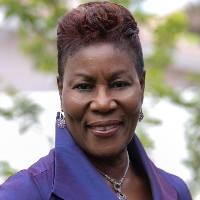
Florida · 21 yrs exp
Practical support for addiction and life changes
Addictions · Relationship · Family · Self esteem · +2 more
Read profile
South Carolina · 13 yrs exp
Practical, direct therapy for life changes
Stress, Anxiety · Family · Parenting · Self esteem · +10 more
Read profile
Louisiana · 14 yrs exp
Practical, person-centered help for life challenges
Stress, Anxiety · Parenting · Anger · Self esteem · +1 more
Read profile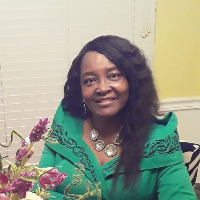
Florida · 20 yrs exp
Compassionate counselor focusing on practical change
Stress, Anxiety · Addictions · Relationship · Self esteem · +1 more
Read profile
Michigan · 16 yrs exp
Compassionate counselor focused on practical change
Stress, Anxiety · Addictions · Relationship · Parenting · +8 more
Read profile
New York · 13 yrs exp
Calm guidance for life’s difficult moments
Stress, Anxiety · Self esteem · Depression · Coping with life changes · +8 more
Read profile
Pennsylvania · 13 yrs exp
Licensed counselor guiding practical change
Stress, Anxiety · Trauma and abuse · Grief · Parenting · +12 more
Read profile
Florida · 11 yrs exp
Compassionate, practical therapy for real-life change
Stress, Anxiety · Relationship · Parenting · Self esteem · +11 more
Read profile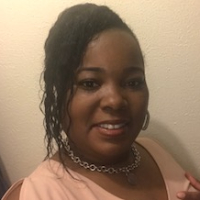
Louisiana · 10 yrs exp
Compassionate counselor focused on change
Stress, Anxiety · Trauma and abuse · Anger · Self esteem · +8 more
Read profile
Kentucky · 9 yrs exp
Compassionate, goal-focused therapy for real-life change
Addictions · Relationship · Parenting · Anger · +12 more
Read profile
Georgia · 3 yrs exp
Empathetic, direct counseling for real-life challenges
Stress, Anxiety · Self esteem · Career · Depression · +1 more
Read profileWhen you search for help with women's issues, you are likely thinking about a wide range of concerns that affect people who identify as women at different life stages. You may be exploring reproductive health decisions, navigating pregnancy or postpartum experiences, coping with menopause, processing gender-based violence, balancing caregiving and work, or addressing cultural expectations about body and identity. Each of these concerns can feel deeply personal and can intersect with relationships, work, and health. The phrase "women's issues" on a profile signals that a therapist has chosen to highlight those topics among their areas of focus, but it does not define the methods they use or guarantee a particular scope of practice.
As you browse, think about what matters most to you in a therapeutic relationship. You might prioritize someone who names experience with trauma-informed approaches, someone who lists work with parenting transitions, a practitioner who notes cultural competence with a particular community, or a clinician who explicitly mentions supporting decision-making around health and reproductive choices. Profiles often list languages, academic degrees, and the ways a therapist describes their therapeutic style. Those elements can help you narrow options so conversations with potential providers address the specific concerns you want to work on.
Motivational interviewing is a collaborative conversation style designed to help you explore your own reasons for change and any mixed feelings you may have, without lecturing. It focuses on listening, asking open questions, reflecting what you say, and helping you weigh what matters most so you can make decisions aligned with your goals. Therapists who list motivational interviewing among their approaches may use it to support decisions about health behaviors, relationship changes, lifestyle adjustments, or other personal shifts. It is not limited to substance use and can be applied wherever you are weighing change.
On this specialty page you will find practitioners who list both women's issues and motivational interviewing among their profile details. That combination can be useful if you want a conversational approach that centers your own motivations when tackling issues that affect women specifically. Keep in mind that a listed approach does not prove a particular level of training or certification in that method. Profiles reflect how individual clinicians describe their approaches and interests. Use the profile descriptions as starting points for questions you will bring to an initial conversation.
When you read a profile and consider reaching out, prepare concrete questions that help you understand how a therapist works with topics similar to yours. You can ask how they typically integrate motivational interviewing into sessions and whether they combine it with other approaches that you find appealing. Ask about the types of women's issues they most often support and how they adapt their approach for life stages such as pregnancy, postpartum, midlife, or aging. If trauma is part of your history, you can ask how they address safety and pacing and what kinds of supports they recommend alongside talk therapy.
It is also useful to clarify the practical aspects that affect how you and a therapist might work together. Ask about their experience working with people from your cultural background or who share your identity, and whether they offer services in a language you prefer. Discuss boundaries and expectations around communication between sessions, how they handle cancellations or rescheduling, and how they support follow-up if a concern emerges between appointments. These questions will help you determine whether a practitioner's approach and experience align with what you want to prioritize.
If you are thinking about online care or an in-person meeting at a listed location, there are several practical topics you should raise before you begin. Discuss how the therapist handles privacy and data practices for any digital tools they use, and whether they provide guidance for creating a comfortable environment on your end during remote conversations. Ask how they manage emergencies or urgent needs when you are not together, including what local services they recommend in your listed location. Because regulations and practices vary across countries, it is reasonable to ask about the clinician's geographic scope of practice and how they work with people who live in different states or nations.
Also talk about the pace of work and what a typical early session looks like for them. Some people prefer a therapist who focuses on concrete change planning and goal-setting from the outset, while others want more time to explore histories and relationships before moving toward action. Clarifying how motivational interviewing is used - whether to explore readiness, to support decision-making, or to complement other interventions - will help you understand if the style matches your preferences. Remember that a profile indicates interests and approaches but not legal permission to practice in a particular place; always confirm credentials and the scope of practice directly with the clinician.
Comparing profiles effectively means looking beyond a single phrase and reading how clinicians describe their work. Pay attention to the ways they present their focus areas and the language they use to describe their therapeutic style. Some profiles will emphasize collaborative, strengths-based conversation; others will highlight structured goal-oriented work. Reflect on whether you respond better to exploratory dialogue or to clearly guided steps toward change. Profiles that mention motivational interviewing typically describe a conversational, client-centered stance that aims to evoke your own motivations rather than impose directives.
When reviewing credentials, distinguish academic degrees from professional permission to practice. Degrees such as PhD, PsyD, MD, MA, MSW indicate academic qualifications. In the United States you will often see licenses listed with specific abbreviations that relate to permission to practice, while in the United Kingdom and Australia profiles may refer to registration, membership or affiliation with professional bodies. A degree alone does not confirm current permission to practice; if this matters to you, ask the clinician how they are regulated or registered in their jurisdiction. Languages listed on a profile can make a meaningful difference if you prefer to work in a language other than English. Finally, consider how a therapist describes their values around cultural sensitivity, client autonomy and collaboration - these elements often shape how motivational interviewing is applied in practice.
As you move from reading profiles to making contact, bring a short list of the most important priorities you want to address. That list can include the specific women's issues you are facing, any cultural or language considerations, and the style of support you prefer. Use the questions suggested earlier to guide an initial exchange so you can assess how the therapist talks about motivational interviewing and whether their way of working feels like a fit for you. It is reasonable to speak with more than one practitioner to compare how they describe their approach to making change.
Finally, keep in mind that a profile is a starting point. Profiles help you compare focus areas, approaches, credentials and languages across listed locations, but the best way to learn if a clinician is a good match is through a direct conversation about your needs and theirs. Take your time, ask specific questions, and choose a partner whose approach supports the kind of change you are seeking at your own pace.
Alabama
56 therapists
Alaska
9 therapists
Arizona
56 therapists
Arkansas
25 therapists
Australia
77 therapists
California
261 therapists
Colorado
82 therapists
Connecticut
45 therapists
Delaware
7 therapists
District of Columbia
11 therapists
Florida
360 therapists
Georgia
84 therapists
Hawaii
22 therapists
Idaho
19 therapists
Illinois
141 therapists
Indiana
78 therapists
Iowa
18 therapists
Kansas
31 therapists
Kentucky
56 therapists
Louisiana
64 therapists
Maine
27 therapists
Maryland
52 therapists
Massachusetts
60 therapists
Michigan
170 therapists
Minnesota
65 therapists
Mississippi
30 therapists
Missouri
83 therapists
Montana
18 therapists
Nebraska
19 therapists
Nevada
25 therapists
New Hampshire
10 therapists
New Jersey
87 therapists
New Mexico
31 therapists
New York
251 therapists
North Carolina
148 therapists
North Dakota
6 therapists
Ohio
136 therapists
Oklahoma
49 therapists
Oregon
34 therapists
Pennsylvania
173 therapists
Rhode Island
11 therapists
South Carolina
56 therapists
South Dakota
10 therapists
Tennessee
69 therapists
Texas
328 therapists
United Kingdom
294 therapists
Utah
24 therapists
Vermont
8 therapists
Virginia
53 therapists
Washington
71 therapists
West Virginia
12 therapists
Wisconsin
78 therapists
Wyoming
6 therapists