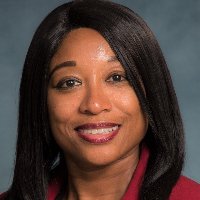
Dr. Vivia Hill-Silcott
LPCGeorgia · 8 yrs exp
Hopeful, practical counseling for life challenges
Stress, Anxiety · Relationship · Family · Grief · +11 more
Read profileTherapist listings are provided by BetterHelp. We will earn a commission at no additional cost to you if you use our links to purchase.
Compare profiles of professionals who list Forgiveness as a focus and who also include Motivational Interviewing among their approaches. Use listed location, languages, credentials and described focus areas to help identify profiles you want to explore below.
Georgia · 8 yrs exp
Hopeful, practical counseling for life challenges
Stress, Anxiety · Relationship · Family · Grief · +11 more
Read profile
New Jersey · 5 yrs exp
Experienced LPC focused on collaborative change
Stress, Anxiety · Relationship · Family · Anger · +12 more
Read profile
Texas · 22 yrs exp
Practical, empathetic counseling for life transitions
Stress, Anxiety · Grief · Career · Depression · +9 more
Read profile
Hawaii · 7 yrs exp
Compassionate, goal-focused therapy in Hawaii
Stress, Anxiety · Addictions · Relationship · Family · +11 more
Read profile
Illinois · 20 yrs exp
Practical, person-centered support for adults
Stress, Anxiety · LGBT · Anger · Self esteem · +12 more
Read profile
Oregon · 14 yrs exp
Practical, supportive counseling for life changes
Grief · Self esteem · Career · Depression · +8 more
Read profile
New York · 11 yrs exp
Compassionate counselor for life transitions
Stress, Anxiety · Grief · Self esteem · Relationship · +8 more
Read profile
Oklahoma · 30 yrs exp
Compassionate counselor who values dignity and hope
Stress, Anxiety · Grief · Intimacy-related issues · Depression · +8 more
Read profile
North Carolina · 13 yrs exp
Skilled LCSW blending therapy and coaching
Stress, Anxiety · Relationship · Family · Self esteem · +13 more
Read profile
Michigan · 15 yrs exp
Encouraging, practical therapy for real-life challenges
Stress, Anxiety · Anger · Self esteem · Depression · +10 more
Read profile
Indiana · 11 yrs exp
Motivational, practical partnership for change
Stress, Anxiety · Grief · Depression · Coping with life changes · +8 more
Read profile
South Dakota · 12 yrs exp
Straightforward therapy for real-life challenges
Stress, Anxiety · Relationship · Family · Trauma and abuse · +13 more
Read profile
Wisconsin · 11 yrs exp
Compassionate counselor focused on practical growth
Stress, Anxiety · Family · Trauma and abuse · Depression · +12 more
Read profile
Nebraska · 14 yrs exp
Practical support for change and coping
Stress, Anxiety · Grief · Bipolar · Depression · +13 more
Read profile
Mississippi · 9 yrs exp
Compassionate counselor focused on change
Stress, Anxiety · Trauma and abuse · Parenting · Anger · +13 more
Read profile
Texas · 10 yrs exp
Collaborative therapist helping you find practical change
Stress, Anxiety · Relationship · Family · Parenting · +5 more
Read profile
Virginia · 14 yrs exp
Collaborative, goal-focused counseling in Virginia
Trauma and abuse · Grief · Coping with life changes · Compassion fatigue · +12 more
Read profile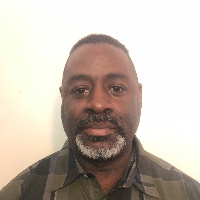
Texas · 6 yrs exp
Trauma-focused counselor with a hopeful approach
Stress, Anxiety · Trauma and abuse · Depression · Grief · +4 more
Read profile
Wisconsin · 11 yrs exp
Therapist focused on practical change
Stress, Anxiety · Relationship · Family · Self esteem · +6 more
Read profile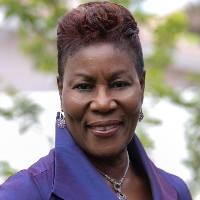
Florida · 21 yrs exp
Practical support for addiction and life changes
Addictions · Relationship · Family · Self esteem · +2 more
Read profile
South Carolina · 13 yrs exp
Practical, direct therapy for life changes
Stress, Anxiety · Family · Parenting · Self esteem · +10 more
Read profile
Louisiana · 14 yrs exp
Practical, person-centered help for life challenges
Stress, Anxiety · Parenting · Anger · Self esteem · +1 more
Read profile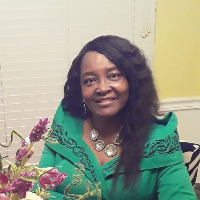
Florida · 20 yrs exp
Compassionate counselor focusing on practical change
Stress, Anxiety · Addictions · Relationship · Self esteem · +1 more
Read profile
Michigan · 16 yrs exp
Compassionate counselor focused on practical change
Stress, Anxiety · Addictions · Relationship · Parenting · +8 more
Read profileWhen you look for help around forgiveness, you are likely addressing a mix of emotions, memories and decisions about how to relate to others or to yourself. Forgiveness-focused work often involves examining feelings of hurt, anger and betrayal, clarifying what forgiveness would mean to you, and deciding whether and how to change your behavior or boundaries. Forgiveness is not the same as excusing harm or forgetting what happened; it can mean shifting how you carry the memory, changing how you relate to the person involved, or finding ways to repair a relationship if that aligns with your values.
People come to this kind of work for many reasons - to reduce rumination, to end cycles of resentment that affect relationships or work, to find a path toward self-forgiveness after regretful actions, or to articulate limits and keep themselves safe while processing past harm. Because these concerns often intersect with grief, trauma, moral injury or strained relationships, it helps to be clear about the outcomes you are hoping to explore and the practical steps you expect to take in collaboration with a therapist.
Motivational Interviewing is a collaborative conversation style that helps people explore their own reasons for change and mixed feelings about it, without lecturing. It aims to draw out your personal motivations and values so you can decide for yourself what changes make sense. In the context of forgiveness, motivational interviewing can help you weigh the benefits and costs of forgiving, reconciling, or protecting yourself, and it can highlight small, doable steps toward those goals.
Motivational interviewing is used for many kinds of change - habits, health, relationships, work - and is not limited to any single concern. On this directory you will find profiles of therapists who list Motivational Interviewing among their approaches. That listing indicates an interest in this conversational style as one option to discuss, not proof of a specific certification or outcome. If you are curious how a therapist integrates this approach with other methods, ask how they typically combine reflective listening, values exploration and practical planning when clients are ambivalent about forgiving or changing a pattern.
As you read profiles, prepare concrete questions that help you compare how different professionals describe their work. You might ask how Forgiveness appears in their day-to-day practice and whether they often support people whose concerns overlap with trauma, grief, or relationship repair. Ask how they describe using Motivational Interviewing and whether they adapt that conversational style to longer-term therapies or short-term goal work. Keep in mind that a profile listing a topic does not establish who they treat - if you need care for children, couples or families, bring that up directly.
Distinguish academic degrees from permission to practice. Degrees such as PhD, PsyD, MD, MA or MSW indicate education but do not by themselves show current professional registration or licensing. In the United States, practitioners typically list a state license such as LCSW, LPC, LMFT or Licensed Psychologist. In the United Kingdom, professionals may note registration with professional bodies or membership in organizations such as registries for counselors and psychotherapists; phrasing may include registration or membership rather than a single licensing model. In Australia, many clinicians will reference national registration or membership with recognized professional boards. If professional permission to practice is important to you, ask how a therapist describes their registration, licensing or membership and whether that status covers the kind of care you are seeking.
If you are considering remote sessions, raise practical questions early so you know what to expect. Ask where the clinician is based and how that listed location affects legal jurisdiction or record-keeping, especially if you and the therapist are in different regions. Discuss the platforms and technology they use, the privacy protections you can expect for digital communication, and how they handle session notes and messages between meetings. Clarify how they manage crisis situations or urgent needs when care is delivered remotely, including what local resources they would suggest if you needed immediate support.
Talk about style and pacing: whether the therapist leans toward exploratory conversations, skills coaching, values-based planning, or a mix. Discuss language preferences and cultural background if that influences rapport for you. You should also understand practical policies such as session length, cancellation terms, and how they document goals and progress, so you and the therapist share clear expectations before you begin work together. These conversations help you decide whether a listed profile aligns with your needs and whether the therapist’s approach to remote care fits your comfort level.
Profiles vary in how they present focus areas, therapeutic approaches and personal descriptions; use those differences to refine your choices. Look for profiles that explicitly mention Forgiveness in ways that match your concern - for example, whether they emphasise reconciliation, self-forgiveness, boundary setting or processing betrayal. Notice whether they list Motivational Interviewing among other approaches and whether the description explains how that style supports decision-making and ambivalence.
Compare language offerings and cultural experience if communication and cultural understanding matter to you. Many profiles list the languages a therapist uses or the populations they have worked with; if that information is absent, you can raise it in an initial conversation. Check the combination of academic degrees and professional registration language so you understand both the clinician’s training and their current permission to practise in their jurisdiction. Finally, examine how therapists describe their interpersonal style - whether they emphasize collaborative, directive, reflective or practical work - and think about which style would be most helpful for your process. When you have a short list of profiles, a candid initial message or conversation can clarify the fit and illuminate how a therapist might approach the specific forgiveness work you want to do.
Forgiveness and the decision to change are personal journeys with many possible paths. Use the profiles on this page to compare approach, credentials, languages and listed location, and to find professionals whose way of working resonates with your goals for making change. When you are ready, reach out to a profile to learn more about how they describe working with forgiveness and motivational interviewing in practice.
Alabama
56 therapists
Alaska
9 therapists
Arizona
56 therapists
Arkansas
25 therapists
Australia
77 therapists
California
261 therapists
Colorado
82 therapists
Connecticut
45 therapists
Delaware
7 therapists
District of Columbia
11 therapists
Florida
360 therapists
Georgia
84 therapists
Hawaii
22 therapists
Idaho
19 therapists
Illinois
141 therapists
Indiana
78 therapists
Iowa
18 therapists
Kansas
31 therapists
Kentucky
56 therapists
Louisiana
64 therapists
Maine
27 therapists
Maryland
52 therapists
Massachusetts
60 therapists
Michigan
170 therapists
Minnesota
65 therapists
Mississippi
30 therapists
Missouri
83 therapists
Montana
18 therapists
Nebraska
19 therapists
Nevada
25 therapists
New Hampshire
10 therapists
New Jersey
87 therapists
New Mexico
31 therapists
New York
251 therapists
North Carolina
148 therapists
North Dakota
6 therapists
Ohio
136 therapists
Oklahoma
49 therapists
Oregon
34 therapists
Pennsylvania
173 therapists
Rhode Island
11 therapists
South Carolina
56 therapists
South Dakota
10 therapists
Tennessee
69 therapists
Texas
328 therapists
United Kingdom
294 therapists
Utah
24 therapists
Vermont
8 therapists
Virginia
53 therapists
Washington
71 therapists
West Virginia
12 therapists
Wisconsin
78 therapists
Wyoming
6 therapists