
Julie Wiggins
LCSWIndiana · 11 yrs exp
Motivational, practical partnership for change
Stress, Anxiety · Grief · Depression · Coping with life changes · +8 more
Read profileTherapist listings are provided by BetterHelp. We will earn a commission at no additional cost to you if you use our links to purchase.
This page groups profiles of professionals who list Money and Financial Issues as a focus and who indicate motivational interviewing among their approaches. Compare listed locations, approaches, academic degrees, registrations and languages, then browse profiles to learn more.
Indiana · 11 yrs exp
Motivational, practical partnership for change
Stress, Anxiety · Grief · Depression · Coping with life changes · +8 more
Read profile
Florida · 22 yrs exp
Practical support for stress and life changes
Stress, Anxiety · Self esteem · Depression · Coping with life changes · +5 more
Read profile
Wisconsin · 11 yrs exp
Compassionate counselor focused on practical growth
Stress, Anxiety · Family · Trauma and abuse · Depression · +12 more
Read profile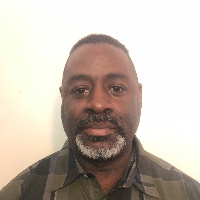
Texas · 6 yrs exp
Trauma-focused counselor with a hopeful approach
Stress, Anxiety · Trauma and abuse · Depression · Grief · +4 more
Read profile
South Carolina · 13 yrs exp
Practical, direct therapy for life changes
Stress, Anxiety · Family · Parenting · Self esteem · +10 more
Read profile
Louisiana · 14 yrs exp
Practical, person-centered help for life challenges
Stress, Anxiety · Parenting · Anger · Self esteem · +1 more
Read profile
Michigan · 16 yrs exp
Compassionate counselor focused on practical change
Stress, Anxiety · Addictions · Relationship · Parenting · +8 more
Read profile
New York · 13 yrs exp
Calm guidance for life’s difficult moments
Stress, Anxiety · Self esteem · Depression · Coping with life changes · +8 more
Read profile
New York · 13 yrs exp
Practical, goal-focused social work support
Stress, Anxiety · Trauma and abuse · Career · Depression · +8 more
Read profile
South Carolina · 9 yrs exp
Compassionate counselor focused on practical change
Stress, Anxiety · Family · Eating · Self esteem · +9 more
Read profile
Illinois · 39 yrs exp
Experienced LCSW focusing on motivation and coping
Stress, Anxiety · Relationship · Grief · Sleeping · +1 more
Read profile
Alabama · 14 yrs exp
Listener-focused counselor guiding practical change
Relationship · Trauma and abuse · Coping with life changes · Coaching · +12 more
Read profile
Wisconsin · 20 yrs exp
Experienced counselor focused on practical change
Stress, Anxiety · Self esteem · Career · Depression · +2 more
Read profile
Nevada · 17 yrs exp
Compassionate, practical support for change
Stress, Anxiety · Relationship · Intimacy-related issues · Self esteem · +3 more
Read profile
Mississippi · 10 yrs exp
Compassionate counselor focused on practical change
Stress, Anxiety · Addictions · Anger · Self esteem · +9 more
Read profile
Connecticut · 12 yrs exp
Compassionate guidance for life transitions
Stress, Anxiety · Addictions · Family · Grief · +13 more
Read profile
Indiana · 10 yrs exp
Calm, practical support for everyday challenges
Stress, Anxiety · Relationship · Trauma and abuse · Depression · +3 more
Read profile
New York · 7 yrs exp
Direct, practical therapy for relationships and addiction
Addictions · Relationship · Intimacy-related issues · Self esteem · +3 more
Read profile
Illinois · 11 yrs exp
Motivation-focused social worker for practical change
Stress, Anxiety · LGBT · Self esteem · Career · +7 more
Read profile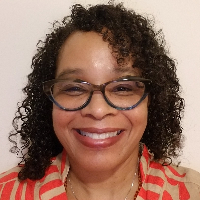
Kentucky · 25 yrs exp
Compassionate counselor for practical change
Stress, Anxiety · Trauma and abuse · Self esteem · Bipolar · +9 more
Read profile
Tennessee · 9 yrs exp
Motivational, client-centered counseling and coaching
LGBT · Relationship · Trauma and abuse · Career · +2 more
Read profile
United Kingdom · 8 yrs exp
Human-centred counsellor focused on practical change
Stress, Anxiety · Relationship · Grief · Self esteem · +15 more
Read profile
California · 12 yrs exp
Practical, bilingual LCSW focused on change
Stress, Anxiety · Relationship · Grief · Depression · +13 more
Read profile
United Kingdom · 9 yrs exp
Compassionate, practical counsellor for life changes
Stress, Anxiety · Relationship · Family · Trauma and abuse · +12 more
Read profileWhen money or financial matters are on your mind, the questions you face often mix practical choices and personal values. You might be weighing trade-offs about spending, saving, career moves, debt repayment, or financial habits that feel hard to change. Motivational interviewing is a collaborative conversation style that helps people explore their own reasons for change and mixed feelings about it, without lecturing. It is used for many kinds of change - habits, health, relationships and work - so it can be applied to money-related goals as well as other life priorities.
On this page you will find professionals who list financial concerns as a focus and who list motivational interviewing among their approaches. That listing indicates an interest in using a collaborative, client-centered stance to help people clarify their motivations and next steps. It does not establish certification in a specific method or guarantee particular outcomes. Use the profiles to get a sense of how practitioners describe their focus, background and preferred ways of working so you can decide who to contact to discuss your needs.
Money is rarely only about numbers. Financial choices are connected to daily routines, relationships, stress responses and identity. When you are trying to change a money-related behavior - for example, reducing impulsive spending, rebuilding credit, or navigating major financial transitions - you are also negotiating emotions, competing priorities and practical constraints. Motivational interviewing fits this work because it emphasizes listening for your own reasons to change and helping you resolve ambivalence so you can move forward in ways that align with your values.
That said, the presence of motivational interviewing on a profile does not mean the practitioner focuses exclusively on finance. Many professionals apply this conversational style across areas such as workplace decisions, health behaviors and relationship choices. Profiles grouped here list Money and Financial Issues as a specialty or additional focus area, which can help you find people who explicitly note financial concerns among the issues they address. When reviewing listings, keep in mind that the connection between money concerns and change-focused work varies by practitioner; the profile text is the best place to see how someone frames that link.
When you review a profile and consider reaching out, it helps to think about specific questions that clarify how a practitioner works with financial concerns. You might ask whether they use motivational interviewing specifically in money-related conversations and how they combine it with other approaches they list. It is reasonable to ask about examples of the kinds of money issues they commonly address, such as budgeting habits, debt-related stress, financial transitions after relationship changes, or decision-making about career and income.
Also ask about experience that matters to you. You can inquire whether they have worked with people in similar circumstances or life stages, whether they have experience discussing financial systems that affect you in your listed location, and what languages they conduct work in. Ask how they typically structure early conversations so you can form realistic expectations about what the first few interactions will cover. These questions will help you determine whether a practitioner's approach and experience feel like a match for the way you want to work on financial concerns.
If you anticipate discussing money matters remotely, it is helpful to clarify a few practical and interpersonal points before beginning. You can ask how the practitioner handles boundaries around records and what measures they describe to protect your privacy and personal information. Discussing how they prefer to handle sensitive documents or financial details in sessions can make it easier to talk openly about topics that may feel exposing.
It is also appropriate to talk about communication norms - for example, how they prefer to exchange messages about scheduling or brief questions, and what response times you might expect. If you have concerns about crisis support or urgent issues related to finances and wellbeing, ask what local resources or steps they recommend in your listed location and what plan they suggest if you need immediate help. These topics ensure you and the practitioner share clear expectations about practical matters and safety planning before engaging in longer term work.
Profiles vary in how they present focus areas, credentials and personal style. When you compare listings, pay attention to the stated focus areas to see whether money-related topics appear as a primary specialty or as an additional focus. Look at how practitioners describe their conversational stance and whether they emphasize collaboration, practical problem solving, or values-based planning. Style descriptions can signal whether a practitioner tends to be directive, exploratory, or skills-oriented - and this can be important if you have a preference for a particular tone in change work.
Credentials and professional standing are presented differently across countries. Academic degrees such as PhD, PsyD, MD, MA or MSW describe training but do not by themselves establish legal permission to practise. In the United States you will often see license abbreviations alongside degrees; in the United Kingdom entries may note registration or membership with national professional bodies; in Australia practitioners may list national registration or association membership. Profiles may indicate a listed location and the professional designations the person chooses to share. Use those details to guide questions about scope of practice and the regulatory context relevant to your listed location.
Language and cultural fit are other important comparison points. If you prefer to work in a language other than the dominant language of your region, look for profiles that explicitly list conversational languages. If cultural perspective matters to you, note how practitioners describe experience with particular communities or financial contexts. Finally, think about the practical questions you want answers to and look for profiles that prompt the kinds of conversations you value. Asking direct, concrete questions when you contact someone will usually give you a clearer sense of whether their approach, experience and communication style align with your goals for addressing money and financial issues.
Browsing these profiles is a first step toward finding someone who can partner with you as you face money-related decisions and changes. Use the listings to compare stated approaches, degrees and professional registrations, languages and the ways practitioners describe their work. Reach out to any listings that feel like a potential fit and ask the concrete questions that matter most to you before committing to a longer conversation. That way you can start from common ground and focus on the change work you want to pursue.
Alabama
56 therapists
Alaska
9 therapists
Arizona
56 therapists
Arkansas
25 therapists
Australia
77 therapists
California
261 therapists
Colorado
82 therapists
Connecticut
45 therapists
Delaware
7 therapists
District of Columbia
11 therapists
Florida
360 therapists
Georgia
84 therapists
Hawaii
22 therapists
Idaho
19 therapists
Illinois
141 therapists
Indiana
78 therapists
Iowa
18 therapists
Kansas
31 therapists
Kentucky
56 therapists
Louisiana
64 therapists
Maine
27 therapists
Maryland
52 therapists
Massachusetts
60 therapists
Michigan
170 therapists
Minnesota
65 therapists
Mississippi
30 therapists
Missouri
83 therapists
Montana
18 therapists
Nebraska
19 therapists
Nevada
25 therapists
New Hampshire
10 therapists
New Jersey
87 therapists
New Mexico
31 therapists
New York
251 therapists
North Carolina
148 therapists
North Dakota
6 therapists
Ohio
136 therapists
Oklahoma
49 therapists
Oregon
34 therapists
Pennsylvania
173 therapists
Rhode Island
11 therapists
South Carolina
56 therapists
South Dakota
10 therapists
Tennessee
69 therapists
Texas
328 therapists
United Kingdom
294 therapists
Utah
24 therapists
Vermont
8 therapists
Virginia
53 therapists
Washington
71 therapists
West Virginia
12 therapists
Wisconsin
78 therapists
Wyoming
6 therapists