
Keanimaikalani Hueu
LMFTHawaii · 7 yrs exp
Compassionate, goal-focused therapy in Hawaii
Stress, Anxiety · Addictions · Relationship · Family · +11 more
Read profileTherapist listings are provided by BetterHelp. We will earn a commission at no additional cost to you if you use our links to purchase.
This page groups profiles of clinicians who list Divorce as a focus and include motivational interviewing among their approaches. Compare approaches, focus areas, credentials, languages and listed location, then browse profiles to learn more about each clinician.
Hawaii · 7 yrs exp
Compassionate, goal-focused therapy in Hawaii
Stress, Anxiety · Addictions · Relationship · Family · +11 more
Read profile
Illinois · 20 yrs exp
Practical, person-centered support for adults
Stress, Anxiety · LGBT · Anger · Self esteem · +12 more
Read profile
Oregon · 14 yrs exp
Practical, supportive counseling for life changes
Grief · Self esteem · Career · Depression · +8 more
Read profile
New York · 11 yrs exp
Compassionate counselor for life transitions
Stress, Anxiety · Grief · Self esteem · Relationship · +8 more
Read profile
Oklahoma · 30 yrs exp
Compassionate counselor who values dignity and hope
Stress, Anxiety · Grief · Intimacy-related issues · Depression · +8 more
Read profile
Indiana · 11 yrs exp
Motivational, practical partnership for change
Stress, Anxiety · Grief · Depression · Coping with life changes · +8 more
Read profile
South Dakota · 12 yrs exp
Straightforward therapy for real-life challenges
Stress, Anxiety · Relationship · Family · Trauma and abuse · +13 more
Read profile
Wisconsin · 11 yrs exp
Compassionate counselor focused on practical growth
Stress, Anxiety · Family · Trauma and abuse · Depression · +12 more
Read profile
Mississippi · 9 yrs exp
Compassionate counselor focused on change
Stress, Anxiety · Trauma and abuse · Parenting · Anger · +13 more
Read profile
Virginia · 14 yrs exp
Collaborative, goal-focused counseling in Virginia
Trauma and abuse · Grief · Coping with life changes · Compassion fatigue · +12 more
Read profile
South Carolina · 13 yrs exp
Practical, direct therapy for life changes
Stress, Anxiety · Family · Parenting · Self esteem · +10 more
Read profile
Louisiana · 14 yrs exp
Practical, person-centered help for life challenges
Stress, Anxiety · Parenting · Anger · Self esteem · +1 more
Read profile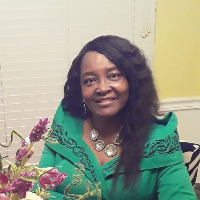
Florida · 20 yrs exp
Compassionate counselor focusing on practical change
Stress, Anxiety · Addictions · Relationship · Self esteem · +1 more
Read profile
Florida · 16 yrs exp
Practical support for change and healing
Stress, Anxiety · Trauma and abuse · Self esteem · Depression · +6 more
Read profile
New York · 13 yrs exp
Calm guidance for life’s difficult moments
Stress, Anxiety · Self esteem · Depression · Coping with life changes · +8 more
Read profile
Texas · 3 yrs exp
Insight-driven counselor focused on practical change
Stress, Anxiety · Addictions · Relationship · Family · +5 more
Read profile
Pennsylvania · 13 yrs exp
Licensed counselor guiding practical change
Stress, Anxiety · Trauma and abuse · Grief · Parenting · +12 more
Read profile
Florida · 11 yrs exp
Compassionate, practical therapy for real-life change
Stress, Anxiety · Relationship · Parenting · Self esteem · +11 more
Read profile
Louisiana · 10 yrs exp
Compassionate counselor focused on change
Stress, Anxiety · Trauma and abuse · Anger · Self esteem · +8 more
Read profile
North Carolina · 20 yrs exp
Change-focused counselor with practical tools
Stress, Anxiety · Addictions · LGBT · Relationship · +1 more
Read profile
Michigan · 6 yrs exp
Straightforward support for people facing life changes
Stress, Anxiety · Relationship · Self esteem · Depression · +7 more
Read profile
Missouri · 13 yrs exp
Motivational and practical therapy for real change
Stress, Anxiety · Addictions · Relationship · Family · +6 more
Read profile
Nevada · 25 yrs exp
Compassionate therapist focusing on relationships and change
Stress, Anxiety · Relationship · Family · Trauma and abuse · +1 more
Read profile
Ohio · 13 yrs exp
Compassionate, goal-focused counseling
Stress, Anxiety · Addictions · Family · Self esteem · +11 more
Read profileWhen you are navigating separation, divorce, or the decisions that lead to them, you may be facing a mix of practical and emotional questions. You might want help sorting through paperwork and co-parenting arrangements, or you could be looking for support managing grief, anger, relief or shifting identity. Some people are exploring whether to separate at all, while others are planning next steps after a decision has been made. Thinking clearly about what matters most to you - whether it is communication with an ex-partner, parenting concerns, planning finances, or rebuilding your life - will help you identify profiles that emphasize similar focus areas.
Your needs may change over time, and a single profile may not capture every relevant detail. Profiles in this directory describe clinicians' stated focus areas and approaches, which can help you find practitioners who commonly work with divorce-related issues. It is important to read profile details about the types of concerns a clinician lists and the populations they note they work with, then reach out to discuss any specifics that matter to you before making decisions about care.
Motivational interviewing is a collaborative conversation style that helps you explore your own reasons for change and any mixed feelings you may have about it. It is not a single-path solution; rather, it is intended to support your own motivation and commitment when you are weighing options or moving toward new behaviors. In the context of divorce, motivational interviewing can be useful whether you are clarifying decisions about separation, negotiating custody and co-parenting plans, or adjusting to life after a relationship ends. It focuses on your goals and values and seeks to reduce resistance by listening and reflecting rather than lecturing.
This directory highlights clinicians who list motivational interviewing among their approaches, but listing it does not guarantee how or when it will be used. Therapists often combine conversation styles and tools to meet the needs you describe. Motivational interviewing is a flexible conversational stance that can be applied to many kinds of change - relationships, routines, work, and health - so consider how a clinician explains the role motivational interviewing plays alongside other approaches they list.
When you review a profile, think about concrete questions that will clarify how a clinician might work with you. You can ask how they typically help people who are deciding between staying and separating, and what kinds of goals they set together with clients. Inquire whether they have experience addressing related concerns you care about, such as co-parenting, legal stress, or rebuilding social support. Ask how they balance practical planning with emotional processing and whether they work with individuals alone or also with couples and families if that matters to you.
Be specific about scope. Degrees such as PhD, PsyD, MD, MA, and MSW describe academic training, but they do not by themselves indicate current permission to practice. In the United States a clinician may list professional licenses like LCSW, LPC or LMFT, which are state-issued permissions; in the United Kingdom clinicians may note registration or membership with national bodies; in Australia practitioners may reference national registration or association membership. You can ask directly about both the clinician's degree and their current permission to practice in the clinician's listed location. Also discuss whether they have previously supported people with circumstances similar to yours, and if they regularly use motivational interviewing as part of that work or mention it only as one of several approaches.
If you are considering online sessions, it helps to discuss practical and personal considerations up front. Ask what platforms or technologies the clinician uses and what options exist if a connection fails. Clarify how they handle notes, records and communications outside of sessions and what you should expect about response times for messages. Talk about privacy and how to find a private space to meet without interruptions at both ends of the call, and whether there are alternative arrangements if privacy cannot be ensured where you are.
Also address boundaries and coordination with other professionals. If you are working with a solicitor, mediator or another health professional, you might want to ask how, if at all, the clinician will communicate with them and whether you would be asked to sign authorizations. Discuss safety planning if you are leaving an unsafe situation and what the clinician's role would be in such circumstances. Finally, talk about practical logistics that matter to you - such as session length and the typical focus of initial meetings - while keeping in mind that profiles do not reflect every aspect of a clinician's practice and that further questions are appropriate.
Profiles can help you narrow possibilities by describing focus areas, commonly used approaches, languages spoken and listed location. When comparing profiles, start by matching the focus areas to your priorities: does the profile mention divorce, separation, co-parenting, grief, or decision-making in a way that reflects your current concerns? Next, look at the clinician's described approaches. Motivational interviewing may appear alongside emotion-focused work, interpersonal methods, or practical problem-solving. Consider which combination feels like it would fit your way of working - whether you prefer more conversational, goal-oriented sessions or those that emphasize emotional processing.
Languages and cultural considerations matter for rapport and understanding, so note any languages a clinician lists and whether they mention experience with cultures or family structures similar to yours. Pay attention to how profiles describe professional credentials and training. A degree such as a PhD or MSW signals academic preparation, while listings of licenses or registrations indicate the forms of permission to practice used in different countries. Do not assume that a degree alone establishes current permission to practice; if that is important to you, ask about the clinician's current registration or license in their listed location. Finally, consider tone and style as represented in profile bios - a clinician might describe their approach as collaborative, direct, reflective or pragmatic. These cues can help you choose profiles that are likely to match your preferred working style, and they give you specific questions to ask when you make contact.
Browsing profiles is a first step toward finding a clinician whose focus areas, approaches and style fit what you need during a life transition. Use the information in each profile to form clear questions, then reach out to discuss any details that profiles do not cover before deciding who to meet with. The goal is to find a working relationship that respects your priorities as you consider and make changes.
Alabama
56 therapists
Alaska
9 therapists
Arizona
56 therapists
Arkansas
25 therapists
Australia
77 therapists
California
261 therapists
Colorado
82 therapists
Connecticut
45 therapists
Delaware
7 therapists
District of Columbia
11 therapists
Florida
360 therapists
Georgia
84 therapists
Hawaii
22 therapists
Idaho
19 therapists
Illinois
141 therapists
Indiana
78 therapists
Iowa
18 therapists
Kansas
31 therapists
Kentucky
56 therapists
Louisiana
64 therapists
Maine
27 therapists
Maryland
52 therapists
Massachusetts
60 therapists
Michigan
170 therapists
Minnesota
65 therapists
Mississippi
30 therapists
Missouri
83 therapists
Montana
18 therapists
Nebraska
19 therapists
Nevada
25 therapists
New Hampshire
10 therapists
New Jersey
87 therapists
New Mexico
31 therapists
New York
251 therapists
North Carolina
148 therapists
North Dakota
6 therapists
Ohio
136 therapists
Oklahoma
49 therapists
Oregon
34 therapists
Pennsylvania
173 therapists
Rhode Island
11 therapists
South Carolina
56 therapists
South Dakota
10 therapists
Tennessee
69 therapists
Texas
328 therapists
United Kingdom
294 therapists
Utah
24 therapists
Vermont
8 therapists
Virginia
53 therapists
Washington
71 therapists
West Virginia
12 therapists
Wisconsin
78 therapists
Wyoming
6 therapists