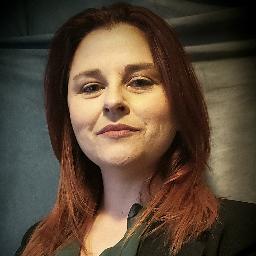
At a glance
- Credentials
- LPC
- License
- LPC, Idaho / LPC-7427
- NPI
- 1295382299
- Experience
- 3 years
- Languages
- English
- Location
- Idaho
Details come from information the therapist supplied to BetterHelp. A license can be checked with the state board.
-
- Motivational interviewing informed
- Focus on practical steps
- Creative and experiential options
About Miriam
Miriam Staffen is a licensed professional counselor who focuses on helping people navigate stress, anxiety, parenting challenges, grief, and substance use concerns. She aims to create a warm, nonjudgmental space where clients feel heard and can begin to sort through confusing feelings. Miriam emphasizes presence and listening so people can take small, practical steps toward change.
She approaches sessions with curiosity rather than fixed answers. Miriam asks questions that help people notice patterns, consider different perspectives, and identify what they want to be different. She sees clients as the experts on their own lives and brings observations and options rather than directives.
Conversations might be mostly talk, or they may include creative or experiential activities. Miriam uses movement, play, or simple exercises when those methods help ideas and emotions come into view. At other times clients simply need a steady place to vent and be heard, and she makes room for that too.
Miriam draws on several approaches to shape her work. Her practice includes Motivational Interviewing, attachment-based ideas, client-centered work, cognitive behavioral techniques, and mindfulness strategies. She mixes tools to match each person’s goals and comfort level rather than following one single method.
She trained in clinical mental health counseling and has worked with people facing trauma, parenting and foster care challenges, substance use concerns, domestic violence, and a range of life transitions. Miriam practices in Idaho and holds the LPC credential.
-
How therapeutic approaches can guide online work
Miriam often draws on Motivational Interviewing, which helps people clarify what matters to them and find motivation for change through collaborative conversation. This approach can be helpful for goals like reducing substance use, improving health habits, or making life changes.
She also uses attachment-based ideas to notice relationship patterns that affect how people feel and connect. This work helps people understand reactions in close relationships and practice different ways of relating. Client-centered therapy is another core influence - it focuses on listening, acceptance, and following the client’s lead so sessions match what the client needs that day.
Finding the right approach is part of the therapy process. The therapist will work together with each person to choose methods that fit their goals, comfort, and preferences. That collaborative planning can change over time as needs shift.
The biography does not specify which online formats are offered, so confirm current session options before booking. Online sessions can make it easier to fit therapy into a busy life, reduce travel time, allow a shorter check-in when schedules are tight, or enable using video or audio depending on what feels best. Licensed professionals adapt tools like motivational interviewing, attachment-focused conversation, and client-centered listening to work effectively at a distance. -
Areas of expertise
Primary focus
Also works with
AddictionsFamily conflictsGriefEating disordersSleeping disordersSelf esteemBipolar disorderCoping with life changesCompassion fatigueADHDAdditional focus areas
Adoption and foster careAging and geriatric issuesAttachment issuesBlended family issuesBody imageCaregiver issues and stressChronic pain, illness, and disabilityCo-morbidityCommunication problemsDivorce and separationDomestic violenceDrug and alcohol addictionFamily of origin issuesFamily problemsGender dysphoriaGuilt and shameImmigration issuesImpulsivityIsolation / lonelinessLife purposeVeteran and Armed Forces IssuesMood disordersPanic disorder and panic attacksPhobiasPolyamory / non-monogamous relationshipsPostpartum depressionPost-traumatic stressPregnancy and childbirthSeasonal Affective Disorder (SAD)Self-loveSexual assault and abuseSocial anxiety and phobiaSomatizationTrichotillomaniaWomen's issuesYoung adult issuesTherapeutic approaches
Attachment-Based TherapyClient-Centered TherapyCognitive Behavioral Therapy (CBT)Mindfulness TherapyMotivational InterviewingNarrative TherapySolution-Focused TherapySomatic TherapyTrauma-Focused TherapyInternal Family SystemsExperience
3+ years
Listed in
Idaho
Languages
English
-
Frequently asked questions
What kinds of concerns does Miriam address?
She works with stress, anxiety, depression, grief, parenting and family concerns, addictions, trauma and abuse, ADHD, body image and eating issues, and related life changes.
What is Miriam's general approach in sessions?
Her style is curious and collaborative. She listens first, offers observations, and helps clients try practical strategies that fit their goals.
What experience does she bring to therapy?
She has three years of clinical experience and has worked with people impacted by trauma, substance use concerns, parenting and foster care challenges, domestic violence, and other life transitions.
What credential and location information is on file?
She holds the LPC credential and practices in Idaho.
Which languages are supported for sessions?
Sessions are offered in English and international clients are not currently accepted.
What session formats are available?
The original biography does not list specific session formats. Please confirm current session options with the service before booking.
How are fees and payment handled?
Cost varies with location and therapist availability; sessions use a subscription that can be canceled at any time.
How do I begin working with her?
Select the Start Therapy button, complete a short matching questionnaire, and schedule according to therapist availability.
-
Online talk therapy is not emergency or medical care. Stopping or cutting down alcohol or other drugs can be unsafe without medical advice. In immediate danger? Crisis numbers