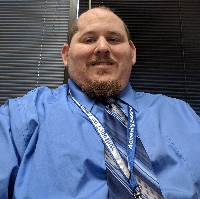
At a glance
- Credentials
- LPC
- License
- LPC, Michigan / 6401012158
- NPI
- 1144467697
- Experience
- 12 years
- Languages
- English
- Location
- Michigan
Details come from information the therapist supplied to BetterHelp. A license can be checked with the state board.
-
- Motivation-focused
- Skill building
- Adolescents and adults
About David
David Rawlins is a Licensed Professional Counselor who works with adolescents and adults. He focuses on helping people who are dealing with depression, anxiety, trauma, career stress, and other life challenges. He aims to make asking for help feel less daunting and more like a step forward.
He builds a relaxed, non-threatening relationship that encourages honest conversation. Sessions concentrate on what matters most right now and practical steps clients can try between meetings. Motivational Interviewing and solution-focused ideas often shape how he helps people find motivation for change.
David trained with a master of counseling degree and earlier completed a bachelor of psychology. Over a dozen years in mental health means he has worked in community mental health, taught counseling students, supervised other counselors, and run a private practice in Michigan. That mix gives him experience with many presenting concerns and treatment settings.
He emphasizes teaching skills for handling stress and trauma symptoms so people can regain daily functioning. Cognitive Behavioral Therapy and Dialectical Behavior Therapy tools are used to change unhelpful thinking and build coping strategies. Mindfulness practices are introduced when they fit a person's goals and preferences.
People who want help getting past an obstacle or finding clearer direction can start with a short questionnaire and scheduling step. The focus in early sessions is practical goals, collaborative planning, and matching methods to each person's situation.
-
How therapeutic approaches translate to online work
Motivational Interviewing focuses on helping people find their own reasons for change. It uses open questions and reflective listening to strengthen motivation and commitment, which can help with addiction, career change, or goal setting.
Client-Centered Therapy centers the person's experience and builds a trusting conversation. The therapist follows the person's lead and offers empathy and support while helping them clarify what matters most.
Cognitive Behavioral Therapy (CBT) looks at how thoughts, feelings, and actions connect. It teaches simple tools to test unhelpful thoughts and try small behavioral experiments, often useful for anxiety, depression, and sleep or eating concerns.
Finding the right approach is part of the work. The therapist will collaborate with each person to choose methods that match their goals, needs, and comfort. That decision is revisited over time and adjusted as progress or obstacles appear.
Because the biography does not specify session formats, confirm current options before booking. Online therapy can make it easier to fit appointments into a busy week, reduce travel time, and allow shorter check-ins when schedules demand. Phone sessions often use less internet bandwidth and can be a simpler option for a quick meeting, while video sessions support visual cues when that helps the conversation. Ask about available formats when you schedule so arrangements match your daily life. -
Areas of expertise
Primary focus
Also works with
AddictionsLGBTRelationship issuesFamily conflictsIntimacy-related issuesEating disordersSleeping disordersParenting issuesAnger managementSelf esteemBipolar disorderAdditional focus areas
Antisocial personalityBody imageDisruptive Mood Dysregulation Disorder (DMDD)Divorce and separationDrug and alcohol addictionFirst responder issuesVeteran and Armed Forces IssuesPersonality disordersSeasonal Affective Disorder (SAD)Self-harmSex addictionTrichotillomaniaYoung adult issuesTherapeutic approaches
Client-Centered TherapyCognitive Behavioral Therapy (CBT)Dialectical Behavior Therapy (DBT)Mindfulness TherapyMotivational InterviewingSolution-Focused TherapyExperience
12+ years
Listed in
Michigan
Languages
English
-
Frequently asked questions
What kinds of concerns can be addressed?
He works with stress, anxiety, depression, trauma and abuse, career questions, addictions, LGBT concerns, relationship and intimacy-related issues, eating and sleeping problems, parenting strain, anger, self esteem, bipolar disorder, and other focused areas listed on his profile.
How would you describe his therapeutic style?
Sessions are relaxed and non-threatening, with an emphasis on practical steps. He uses client-centered conversation alongside techniques from CBT, DBT, mindfulness, and Motivational Interviewing to help people move forward.
What is his background and experience?
He has 12 years of experience in mental health, including community mental health work, teaching counseling students, supervising counselors, and running a private practice in Michigan.
What credentials and location are listed?
He holds the credential LPC, indicating Licensed Professional Counselor, and practices in Michigan.
Which languages are supported and are international clients accepted?
Sessions are offered in English and international clients are not currently accepted.
What session formats are available?
The original biography does not list specific session formats, so confirm current session options before booking to know whether in-person or online sessions are offered.
How does cost and billing work?
Cost varies with location and therapist factors; sessions use a subscription that can be canceled at any time.
How do I begin working with him?
Use the Start Therapy button, complete a short matching questionnaire, and schedule sessions according to the therapist's availability.
-
Online talk therapy is not emergency or medical care. Stopping or cutting down alcohol or other drugs can be unsafe without medical advice. In immediate danger? Crisis numbers