At a glance
- Credentials
- LMHC
- License
- LMHC, New York / 001003
- NPI
- 1538374947
- Experience
- 35 years
- Languages
- English
- Location
- New York
Details come from information the therapist supplied to BetterHelp. A license can be checked with the state board.
-
- Motivational interviewing
- Client-centered care
- Practical skills
About Donna
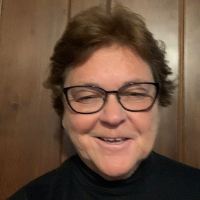
Donna Smith is a licensed mental health counselor (LMHC) in New York with 35 years of experience. She helps people who are dealing with stress, anxiety, depression, grief, addictions, trauma and abuse, relationship and intimacy concerns, parenting strain, ADHD, and issues related to LGBT identity. She also supports people facing bipolar symptoms, anger, self-esteem struggles, and major life changes.
Donna’s approach is warm and collaborative. She sees therapy as a joint effort and describes her role as a guide who walks alongside people as they work toward change. She uses motivational interviewing to help people find their own reasons to change, and draws on Acceptance and Commitment Therapy, cognitive behavioral strategies, and client-centered skills to tailor sessions to each person’s needs.
Her style is calm and respectful, with an emphasis on listening first and offering practical tools next. Sessions often focus on clarifying goals, building small habits, and practicing new ways to cope that fit day-to-day life. She also brings creativity and an interest in writing into the work when that feels useful.
Donna trained at the University of Rochester and has spent decades in a range of mental health settings before focusing on one-on-one counseling. Her background aims to combine real-world experience with straightforward therapeutic techniques people can use between sessions.
If you decide to try therapy with her, the process starts with a short questionnaire and scheduling steps. The intention is to create a hopeful, nonjudgmental space where clients can move toward the future they imagine.
-
How Donna’s approaches fit work done online
Donna uses motivational interviewing to help people find their own reasons to change. That method focuses on gentle questions and reflection to build motivation for new behavior. It can be helpful for addictions, procrastination, or any situation where a person feels stuck.
She also draws on Acceptance and Commitment Therapy, which teaches skills to accept difficult thoughts while taking action toward valued goals. And she uses client-centered therapy, which centers the conversation on what matters most to the person and follows their pace and priorities.
Choosing the right approach is a collaborative process. Donna will listen to concerns, discuss different options, and work with each person to pick methods that match goals and preferences. The plan can change as progress is made.
The biography does not specify session formats, so confirm available online options before booking. In general, online therapy can make it easier to fit sessions into a busy week, reduce travel time, and allow for regular check-ins between appointments. Some formats also allow for shorter check-ins when schedules are tight or audio-only options when less bandwidth or a quieter setup is needed. Ask about current formats when you schedule so sessions match your routine and technical needs. -
Areas of expertise
Primary focus
Also works with
AddictionsFamily conflictsTrauma and abuseIntimacy-related issuesParenting issuesAnger managementSelf esteemBipolar disorderCoping with life changesCompassion fatigueADHDAdditional focus areas
AbandonmentAging and geriatric issuesAttachment issuesCodependencyCommitment issuesCommunication problemsControl issuesDependent personalityDisruptive Mood Dysregulation Disorder (DMDD)Divorce and separationEmptinessFamily of origin issuesFamily problemsForgivenessGender dysphoriaGuilt and shameImpulsivityInfidelityIsolation / lonelinessJealousyLife purposeMood disordersNarcissismObsessions, compulsions, and OCDPersonality disordersPrejudice and discriminationSeasonal Affective Disorder (SAD)Self-harmSelf-loveSexualitySocial anxiety and phobiaWomen's issuesWorkplace issuesTherapeutic approaches
Acceptance and Commitment Therapy (ACT)Client-Centered TherapyCognitive Behavioral Therapy (CBT)Dialectical Behavior Therapy (DBT)Emotionally-Focused Therapy (EFT)Mindfulness TherapyMotivational InterviewingNarrative TherapySolution-Focused TherapyInternal Family SystemsExperience
35+ years
Listed in
New York
Languages
English
-
Frequently asked questions
What concerns does Donna commonly address?
She works with people facing stress, anxiety, depression, grief, trauma and abuse, addictions, relationship and intimacy issues, parenting strain, ADHD, and LGBT-related concerns.
What is her therapeutic style like?
Her style is collaborative and warm. She listens first, then helps set practical goals and small steps toward change.
How much clinical experience does she have?
Donna brings 35 years of experience in various mental health settings and many years focused on one-on-one counseling.
What are her credentials and where is she based?
She is a licensed mental health counselor, LMHC, licensed in New York and practices in that state.
Does she offer sessions in languages other than English?
Sessions are offered in English.
What session formats are available?
The original biography does not list specific session formats; confirm current session options before booking.
How are fees handled?
Cost varies with location and therapist availability; sessions use a subscription that can be canceled at any time.
How do I begin working with her?
Click the Start Therapy button, complete a short matching questionnaire, and schedule according to therapist availability.
-
Online talk therapy is not emergency or medical care. Stopping or cutting down alcohol or other drugs can be unsafe without medical advice. In immediate danger? Crisis numbers