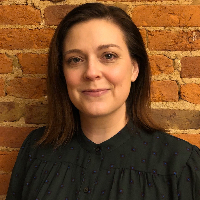
At a glance
- Credentials
- LPC
- License
- LPC, Pennsylvania / PC012054
- NPI
- 1699305078
- Experience
- 5 years
- Languages
- English
- Location
- Pennsylvania
Details come from information the therapist supplied to BetterHelp. A license can be checked with the state board.
-
- Motivational guidance
- Values based work
- Trauma informed
About Wendy
Wendy Gaunt is a Licensed Professional Counselor (LPC) in Pennsylvania with five years of clinical experience. She helps people facing depression, anxiety, relationship struggles, trauma and abuse, grief, and questions about sexuality and gender. She also supports those dealing with stress, addiction concerns, self-esteem issues, and life transitions.
Wendy views counseling as a partnership. She centers sessions on the person in front of her and works from a strengths-based, client-centered stance. Conversations are direct when needed and hold space for deeper feelings and difficult topics.
Her approach draws on several practical methods, including Motivational Interviewing, Acceptance and Commitment Therapy (ACT), Attachment-Based Therapy, client-centered work, and Cognitive Behavioral Therapy (CBT). She uses tools from these approaches to help people notice patterns, make values-aligned choices, and try small, doable changes.
In sessions she aims to create warmth and steadiness while challenging unhelpful habits. She talks through what is getting in the way and offers strategies to cope with symptoms like sleep trouble, low mood, or anxiety. For relationship or intimacy concerns she focuses on communication and commitment issues in a clear, practical way.
Wendy’s background includes work in diverse settings supporting people with trauma, addiction, parenting strain, caregiver stress, and identity-related concerns. She offers a supportive, nonjudgmental space and partners with each person to set goals and track progress.
-
How therapeutic approaches guide online work
Wendy draws from Motivational Interviewing to help people resolve mixed feelings and find internal reasons to change; this approach uses reflective questions and gentle guidance to build commitment. She also uses Acceptance and Commitment Therapy (ACT) to help people clarify values, accept hard feelings, and take committed action toward a more meaningful life. Attachment-Based Therapy is used to look at how early relationship patterns affect current trust, communication, and intimacy concerns, helping people notice and change interaction habits.
Finding the right approach is part of the process. Wendy treats therapy as a collaboration and will work with each person to choose methods that match their goals, needs, and preferences. She checks in about what is or isn't helping and adapts plans as progress unfolds.
Session formats were not specified in the biography, so confirm the available online options before booking. Online work can make it easier to fit sessions into a busy life, reduce travel time, and allow shorter check-ins when schedules are tight. It can also let people try approaches like values-based exercises or communication practice from their usual routines, with the therapist guiding each step. -
Areas of expertise
Primary focus
Also works with
Stress, AnxietyAddictionsLGBTFamily conflictsGriefIntimacy-related issuesEating disordersSleeping disordersParenting issuesAnger managementCareer difficultiesBipolar disorderCompassion fatigueAdditional focus areas
Attachment issuesCaregiver issues and stressCommitment issuesCommunication problemsControl issuesDissociationDivorce and separationDomestic violenceDrug and alcohol addictionEating and food-related issuesEmptinessFamily problemsForgivenessGender dysphoriaGuilt and shameInfidelityIsolation / lonelinessLife purposeMidlife crisisMoney and financial issuesMood disordersPolyamory / non-monogamous relationshipsPost-traumatic stressSelf-harmSelf-loveSexual assault and abuseSexualitySocial anxiety and phobiaWomen's issuesWorkplace issuesYoung adult issuesTherapeutic approaches
Acceptance and Commitment Therapy (ACT)Attachment-Based TherapyClient-Centered TherapyCognitive Behavioral Therapy (CBT)Existential TherapyGottman MethodMindfulness TherapyMotivational InterviewingNarrative TherapyTrauma-Focused TherapyExperience
5+ years
Listed in
Pennsylvania
Languages
English
-
Frequently asked questions
What types of concerns does Wendy support?
She works with depression, anxiety, trauma and abuse, relationship and intimacy issues, grief, addiction concerns, LGBT and gender dysphoria topics, parenting and caregiver stress, and related struggles such as sleep and eating problems.
How would you describe her therapeutic style?
Wendy uses a partnership model that is person-centered and strengths-based. She combines direct conversations with empathic listening and practical strategies tailored to each person.
What is her clinical background?
She has five years of experience working as a clinical mental health counselor in varied settings, including work with trauma, addiction, and identity-related concerns.
What credentials and location apply?
Wendy is a Licensed Professional Counselor, LPC, practicing in Pennsylvania.
Which languages are supported and can international clients be seen?
Sessions are offered in English and international clients are not currently accepted.
What session formats are available?
The original biography does not specify session formats, so confirm current session options before booking to know which formats are offered.
How is cost handled for sessions?
Cost varies with location and therapist availability; sessions use a subscription that can be canceled at any time.
How do I begin working with Wendy?
Use the Start Therapy button, complete a short matching questionnaire, and schedule according to the therapist's listed availability.
-
Online talk therapy is not emergency or medical care. Stopping or cutting down alcohol or other drugs can be unsafe without medical advice. In immediate danger? Crisis numbers