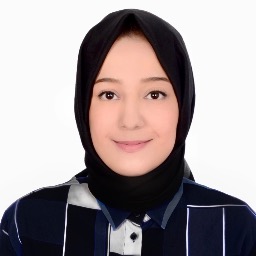
Seyma Gungor
BACP
United Kingdom
Motivational, practical, person-centred support
Continue with SeymaAt a glance
- Credentials
- BACP
- Registration
- BACP, United Kingdom / 387168
- Experience
- 5 years
- Languages
- English, Turkish
- Location
- United Kingdom
Details come from information the therapist supplied to BetterHelp.
-
- Motivational interviewing
- CBT and attachment
- English and Turkish
About Seyma
Seyma Gungor draws on motivational interviewing alongside other evidence-informed approaches to help people find clarity and take workable steps forward. She aims to create a calm space where someone can talk about stress, anxiety, relationships and life changes without feeling judged. Seyma uses everyday language and practical tools so conversations lead to real changes at home and work.
She trained in mental health counselling and psychotherapy and holds an MSc in Mental Health Counselling. Seyma is registered with the British Association for Counsellors and Psychotherapists - BACP - which she lists as a professional credential. Her background includes practice in the United States and continued work in London since relocating to the UK.
In sessions she blends Cognitive Behavioural Therapy, client-centred methods and attachment-focused work to suit the person in front of her. Motivational interviewing features when clients want help finding motivation for change, for example with addictions or managing mood and routines. Mindfulness and emotionally-focused techniques are also used when helpful.
Seyma has five years of clinical experience supporting people with depression, bipolar mood difficulties, trauma and abuse, grief, and issues around intimacy and self-esteem. She also works with parenting stress, carer strain, chronic illness and communication challenges.
Sessions are offered in English and Turkish, and she accepts international clients. Before booking, people should confirm current session formats and scheduling details through the service sign-up process.
-
How therapeutic approaches guide online work
Motivational interviewing helps people find their own reasons to change and build small, achievable goals. It is often used when someone wants help with addictions, routines or finding momentum during a difficult life change.
Attachment-based therapy focuses on patterns in close relationships and how they affect feelings and behaviour. It can be useful for people dealing with intimacy issues, abandonment concerns or long-standing relationship patterns.
Finding the right approach is part of the therapy process. The therapist will work together with the client to decide which methods fit their goals and situation. Sessions usually blend techniques and are adjusted over time as needs evolve.
This therapist's biography lists online counselling and telephone counselling among ways she has delivered therapy. People should confirm current session formats before booking. Online and phone sessions can make it easier to fit therapy into a busy week, allow shorter check-ins when needed, or avoid travel time. They also let people continue work while living abroad or relocating, provided time zones and scheduling are agreed with the therapist. -
Areas of expertise
Primary focus
Also works with
AddictionsTrauma and abuseGriefIntimacy-related issuesSleeping disordersParenting issuesAnger managementCareer difficultiesBipolar disorderDepressionCompassion fatigueADHDAdditional focus areas
AbandonmentAttachment issuesAutism and Asperger SyndromeBlended family issuesBody imageCancerCaregiver issues and stressChronic pain, illness, and disabilityCo-morbidityCommitment issuesCommunication problemsDependent personalityDisruptive Mood Dysregulation Disorder (DMDD)Divorce and separationDomestic violenceEating and food-related issuesEmptinessFamily of origin issuesFamily problemsForgivenessGuilt and shameImpulsivityIsolation / lonelinessLife purposeMidlife crisisMood disordersMulticultural concernsNarcissismObsessions, compulsions, and OCDPanic disorder and panic attacksPersonality disordersPhobiasPostpartum depressionPost-traumatic stressPregnancy and childbirthPrejudice and discriminationSeasonal Affective Disorder (SAD)Sexual dysfunctionSocial anxiety and phobiaTrichotillomaniaWomen's issuesWorkplace issuesYoung adult issuesTherapeutic approaches
Attachment-Based TherapyClient-Centered TherapyCognitive Behavioral Therapy (CBT)Emotionally-Focused Therapy (EFT)Existential TherapyMindfulness TherapyMotivational InterviewingNarrative TherapySolution-Focused TherapyTrauma-Focused TherapyExperience
5+ years
Listed in
United Kingdom
Languages
English, Turkish
-
Frequently asked questions
What concerns does Seyma commonly help with?
Seyma supports people facing stress, anxiety, depression and bipolar mood difficulties. She also helps with relationship and family matters, addictions, trauma, grief and parenting challenges.
How would you describe her therapeutic style?
Her style is practical and collaborative, using motivational interviewing alongside client-centred and cognitive behavioural methods. Sessions focus on clear goals and steps people can try between meetings.
What experience does she bring to therapy?
She has five years of clinical practice and experience in both individual and group settings. Her work has included support for co-occurring difficulties and substance use recovery.
What professional credential does she hold and where is she based?
She is registered with the British Association for Counsellors and Psychotherapists (BACP). Her practice is based in the United Kingdom.
Can I work with her in languages other than English?
Sessions are offered in English and Turkish, and she accepts international clients who can arrange sessions in those languages.
Which session formats are available?
The original biography lists online counselling and telephone counselling as methods she has delivered, but people should confirm the current session options before booking.
How are sessions paid for and what does it cost?
Costs vary with location and therapist availability; sessions use a subscription that can be cancelled at any time. Exact fees are provided during the sign-up process.
How do I begin a course of therapy?
Start by selecting the Start Therapy button and completing the short matching questionnaire. After that, schedule sessions according to the therapist's availability.
-
Online talk therapy is not emergency or medical care. Stopping or cutting down alcohol or other drugs can be unsafe without medical advice. In immediate danger? Crisis numbers