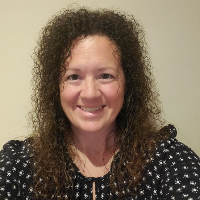
Rachel DiPippo
LMHC
Rhode Island
Change-focused therapist with a practical style
Continue with RachelAt a glance
- Credentials
- LMHC
- License
- LMHC, Rhode Island / MHC00525
- NPI
- 1376721753
- Experience
- 22 years
- Languages
- English
- Location
- Rhode Island
Details come from information the therapist supplied to BetterHelp. A license can be checked with the state board.
-
- Motivational interviewing focus
- Collaborative goal setting
- Practical tools
About Rachel
Rachel DiPippo is a licensed mental health counselor (LMHC) with 22 years of experience. She helps people who are feeling overwhelmed by stress, anxiety, depression, grief, relationship and parenting strain, addictions, trauma, and ADHD. Rachel is straightforward and calm in sessions and focuses on practical steps that feel doable day to day.
Her approach is collaborative. Goals are set together and the work adapts to each person's needs. Rachel listens without judgment, asks questions that help people clarify what matters, and offers tools to change unhelpful thoughts and behaviors.
She draws from several approaches to guide the work. Cognitive Behavioral Therapy is used to identify patterns of thinking that keep problems going. Motivational Interviewing helps when someone feels stuck or unsure about making a change. Client-Centered Therapy and Mindfulness techniques are woven in to support self-awareness and emotional regulation.
Rachel has worked in a range of settings across her career, helping individuals navigate relationship struggles, eating and body image concerns, anger, career questions, and the aftermath of loss or trauma. She emphasizes a balance of compassion and practical skill-building so people leave sessions with concrete strategies.
Sessions aim to help people notice the drivers of unwanted behaviors and develop new ways of responding. Rachel invites clients to try small experiments between sessions and reviews what helps. The focus is on steady progress toward clearer goals and greater emotional freedom.
-
How these approaches work online and in session
Motivational Interviewing focuses on helping people find their own reasons to change. It uses open questions and reflection to build motivation and resolve mixed feelings about making different choices. This approach can be useful for substance concerns, behavior change, and when someone feels stuck.
Client-Centered Therapy centers the person’s own experience. The therapist listens closely and responds with empathy so people feel understood and clearer about their priorities. This can help with relationship strain, grief, and self-esteem issues.
Cognitive Behavioral Therapy (CBT) looks at the links between thoughts, feelings, and actions. It provides concrete exercises to test unhelpful beliefs and practice new responses, often helping with anxiety, depression, and anger.
Finding the right approach is part of the work. The therapist will collaborate with each person to choose methods that fit their goals, values, and daily life. That means trying things, checking what helps, and adjusting the plan together.
Session logistics should fit into a client’s routine. Confirm which online session options are offered before booking so you can pick what works best. Online therapy can make it easier to schedule appointments around work, reduce travel time, and allow shorter check-ins when needed. Rachel aims to help clients use therapy in ways that fit their everyday life rather than requiring major changes. -
Areas of expertise
Primary focus
Also works with
Family conflictsTrauma and abuseGriefIntimacy-related issuesEating disordersAnger managementSelf esteemCareer difficultiesBipolar disorderCoping with life changesCompassion fatigueADHDAdditional focus areas
AbandonmentAttachment issuesBlended family issuesBody imageCodependencyCommunication problemsControl issuesCoping with natural or human-caused disasterDivorce and separationDrug and alcohol addictionEating and food-related issuesEmptinessFamily problemsFertility issuesForgivenessGuilt and shameHoardingImpulsivityIsolation / lonelinessLife purposePanic disorder and panic attacksPost-traumatic stressSeasonal Affective Disorder (SAD)Self-harmSelf-loveSexual assault and abuseWomen's issuesWorkplace issuesYoung adult issuesTherapeutic approaches
Client-Centered TherapyCognitive Behavioral Therapy (CBT)Mindfulness TherapyMotivational InterviewingNarrative TherapySolution-Focused TherapyTrauma-Focused TherapyInternal Family SystemsExperience
22+ years
Listed in
Rhode Island
Languages
English
-
Frequently asked questions
What concerns does Rachel help with?
She works with people facing stress, anxiety, depression, grief, relationship and parenting strain, addictions, trauma, ADHD, and related challenges.
How would you describe her therapy style?
Rachel takes a collaborative and direct style. She listens, helps set goals together, and offers practical tools to try between sessions.
What experience does she bring?
She brings 22 years of clinical experience across settings, supporting people with trauma, substance issues, relationship problems, eating concerns, and life transitions.
What credentials and location are listed?
She is a licensed mental health counselor, LMHC, licensed in Rhode Island.
Which languages are supported and can international clients join?
Sessions are offered in English. International clients are not currently accepted.
What session formats are available?
The original biography does not specify session formats. Confirm current session options before you schedule.
How is cost handled?
Cost varies with location and therapist availability; sessions use a subscription that can be canceled at any time.
How do I get started?
Select the Start Therapy button, complete a short matching questionnaire, and schedule according to therapist availability.
-
Online talk therapy is not emergency or medical care. Stopping or cutting down alcohol or other drugs can be unsafe without medical advice. In immediate danger? Crisis numbers