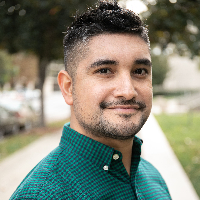
Daniel Romo
LMFT
California
Collaborative therapist focused on practical change
Continue with DanielAt a glance
- Credentials
- LMFT
- License
- LMFT, California / 114587
- NPI
- 1942583927
- Experience
- 10 years
- Languages
- English
- Location
- California
Details come from information the therapist supplied to BetterHelp. A license can be checked with the state board.
-
- Goal focused
- Trauma aware
- Client centered
About Daniel
Daniel Romo is a Licensed Marriage and Family Therapist (LMFT) who helps people manage stress, anxiety, relationship strain, parenting challenges, grief, and life transitions. He focuses on practical progress and on helping people feel they matter. Daniel brings ten years of experience working with diverse communities in California.
He uses straightforward conversations to identify what matters most to each person. Sessions often center on short-term goals and skills that can be practiced between meetings. He blends empathy with clear tools so people can try small changes and notice results.
Daniel trained at California State University Fullerton and earned a Master of Marriage and Family Therapy at Pacific Oaks College with a specialization in trauma and Latinx studies. Early work included school-based services and supporting at-risk youth in residential settings, where he led life-skills and wellness programs.
Much of his background comes from nonprofit work offering individual, group, and community services. That experience includes work with the Deaf and Hard of Hearing community and with people facing serious mental health challenges. He aims to make therapy approachable for those who might otherwise lack access.
In sessions he combines client-centered care with methods drawn from cognitive behavioral approaches, mindfulness, solution-focused work, and motivational interviewing. He focuses on building plans that fit each person’s culture and daily life. Daniel emphasizes collaboration and practical steps rather than abstract theory.
-
How his approaches work for online therapy
Daniel often draws on Motivational Interviewing to help people find and strengthen their own reasons to change. This approach uses open questions and reflective listening to build motivation for next steps and can help with goals like improving health habits, reducing risky behaviors, or making relationship changes.
He also uses Client-Centered Therapy, which focuses on listening closely and responding to each person’s experience. That approach helps when someone needs a supportive space to sort through emotions and values without pressure to follow a set plan.
Cognitive Behavioral Therapy, or CBT, is another common tool he uses. CBT breaks problems into thoughts, feelings, and actions, and teaches practical techniques to test unhelpful thoughts and try new behaviors. It can be useful for anxiety, depression, and coping with life changes.
Finding the right approach is part of the work together. He will help clients choose or combine methods based on goals, preferences, and what feels most useful. The process is collaborative and may shift over time as needs change.
If you are considering online sessions, confirm the current session options before booking so you know what formats are available. Online therapy can make it easier to fit appointments into a busy day, allow shorter check-ins when needed, and reduce travel time so therapy fits into work or family schedules. -
Areas of expertise
Primary focus
Also works with
Family conflictsGriefIntimacy-related issuesSelf esteemCareer difficultiesCoping with life changesCoachingCompassion fatigueAdditional focus areas
Adoption and foster careAttachment issuesBlended family issuesCaregiver issues and stressCodependencyCommitment issuesCommunication problemsDivorce and separationFamily of origin issuesFamily problemsFatherhood issuesForgivenessGuilt and shameImpulsivityInfidelityIsolation / lonelinessJealousyLife purposeMen's issuesObsessions, compulsions, and OCDPost-traumatic stressPrejudice and discriminationSelf-loveSocial anxiety and phobiaWorkplace issuesYoung adult issuesTherapeutic approaches
Client-Centered TherapyCognitive Behavioral Therapy (CBT)Mindfulness TherapyMotivational InterviewingSolution-Focused TherapyTrauma-Focused TherapyExperience
10+ years
Listed in
California
Languages
English
-
Frequently asked questions
What issues does Daniel focus on?
He supports people with stress, anxiety, parenting concerns, relationships, trauma and abuse, depression, grief, self-esteem, career transitions, and intimacy-related issues. Additional focuses include adoption and foster care, attachment concerns, blended family issues, and caregiver stress.
How would you describe his therapeutic style?
His style is practical and collaborative. He uses clear conversation to set short-term goals and teaches skills people can use between sessions.
What kind of experience does he bring?
He has ten years of experience working in nonprofit and community settings, school-based programs, and residential youth services. That background includes individual and group work with diverse populations.
What are his credentials and where is he located?
He holds a California Licensed Marriage and Family Therapist credential - LMFT - and practices in California.
Which languages are supported in sessions?
Sessions are offered in English.
Can international clients work with him?
He does not work with international clients at this time.
How are fees and billing handled?
Cost varies with location and therapist availability; sessions use a subscription that can be canceled at any time.
How do I begin if I want to work together?
Start by selecting the Start Therapy button, complete a short matching questionnaire, and schedule according to therapist availability.
-
Online talk therapy is not emergency or medical care. Stopping or cutting down alcohol or other drugs can be unsafe without medical advice. In immediate danger? Crisis numbers