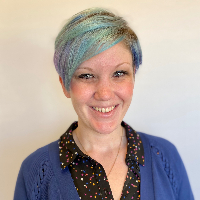
Cassandra Aamodt
LCSW
Connecticut
Practical, direct help for real-life changes
Continue with CassandraAt a glance
- Credentials
- LCSW
- License
- LCSW, Connecticut / 58.010861
- NPI
- 1801355219
- Experience
- 3 years
- Languages
- English
- Location
- Connecticut
Details come from information the therapist supplied to BetterHelp. A license can be checked with the state board.
-
- Motivational Interviewing
- Client-centered care
- Skill-based tools
About Cassandra
Cassandra Aamodt is a licensed clinical social worker (LCSW) who uses Motivational Interviewing alongside client-centered and cognitive-behavioral approaches. She speaks plainly and works to build a respectful, direct relationship so people can tackle practical problems. Cassandra aims to help people make small, lasting changes that fit their lives.
She focuses on stress, anxiety, depression, grief, trauma and abuse, and substance use concerns. Cassandra also assists with relationship and intimacy issues, parenting challenges, career stress, and compassion fatigue. Additional attention is given to adoption and foster care topics, attachment concerns, codependency, and aging-related caregiving strain.
In sessions she balances listening with clear feedback. Motivational Interviewing helps when someone is unsure about change or needs to find reasons that matter to them. Cognitive-behavioral tools and mindfulness practices are used to teach skills for managing thoughts, moods, and everyday triggers.
Cassandra has three years of experience as an LCSW in Connecticut. She draws on a broader background in social work to understand life context, including family of origin and communication patterns. Her style is described as caring and nonjudgmental while also being straightforward.
People often choose her when they want a practical plan and support through transitions. She encourages questions and works together with each person to set goals that feel realistic and relevant. To begin, readers should use the site’s Start Therapy flow to match and schedule according to availability.
-
How therapeutic approaches translate to online care
Motivational Interviewing invites people to talk through their own reasons for change and to set goals that feel meaningful. It is helpful for concerns like substance use, ambivalence about change, and motivation for healthier habits. Client-centered therapy focuses on listening, empathy, and treating the person as the expert on their own life; it can help with stress, grief, relationship strain, and self-esteem. Cognitive-behavioral therapy (CBT) teaches specific skills to shift unhelpful thoughts and behaviors, which is useful for anxiety, depression, and coping with life changes.
Choosing the right approach is part of the work. Cassandra will collaborate with each person to decide which methods fit their goals and preferences. That may mean mixing Motivational Interviewing with skill-building from CBT and mindfulness tools, depending on what the client needs.
Confirm current session options before booking so you know the exact formats offered. Online sessions can make it easier to fit therapy into a busy week, shorten commutes, and allow for check-ins that match daily schedules. They also let people try different approaches and adjust plans over time while working with a licensed professional to track progress. -
Areas of expertise
Primary focus
Also works with
AddictionsRelationship issuesFamily conflictsIntimacy-related issuesParenting issuesAnger managementSelf esteemCareer difficultiesBipolar disorderCoping with life changesCompassion fatigueAdditional focus areas
AbandonmentAdoption and foster careAging and geriatric issuesAttachment issuesBlended family issuesCaregiver issues and stressCodependencyCommunication problemsDivorce and separationDrug and alcohol addictionFamily of origin issuesFamily problemsFatherhood issuesGender dysphoriaGuilt and shameImpulsivityIsolation / lonelinessLife purposePolyamory / non-monogamous relationshipsPost-traumatic stressPrejudice and discriminationSexualitySocial anxiety and phobiaWomen's issuesWorkplace issuesYoung adult issuesTherapeutic approaches
Client-Centered TherapyCognitive Behavioral Therapy (CBT)Dialectical Behavior Therapy (DBT)Mindfulness TherapyMotivational InterviewingSolution-Focused TherapyTrauma-Focused TherapyExperience
3+ years
Listed in
Connecticut
Languages
English
-
Frequently asked questions
What issues does this therapist help with?
Cassandra works with a wide range of concerns including stress, anxiety, depression, grief, trauma and abuse, addictions, relationship and intimacy issues, parenting and career stress.
How would you describe the therapy style?
The style combines Motivational Interviewing, client-centered listening, and cognitive-behavioral and mindfulness techniques to build motivation, teach skills, and support practical change.
What is Cassandra's background and experience?
She holds a Connecticut LCSW credential and has three years of clinical experience relevant to the listed focus areas.
Where is the therapist based and licensed?
The therapist practices in Connecticut and holds a CT LCSW credential.
Which languages are supported for sessions?
Sessions are offered in English.
Can international clients work with this therapist?
International clients are not currently accepted.
How are sessions paid for and what about cost?
Cost varies with location and therapist availability; sessions use a subscription that can be canceled at any time.
How do I get started with therapy here?
Select the Start Therapy button, complete a short matching questionnaire, and schedule according to therapist availability.
-
Online talk therapy is not emergency or medical care. Stopping or cutting down alcohol or other drugs can be unsafe without medical advice. In immediate danger? Crisis numbers