At a glance
- Credentials
- LPC
- License
- LPC, Idaho / LPC-6256
- NPI
- 1003527896
- Experience
- 6 years
- Languages
- English
- Location
- Idaho
Details come from information the therapist supplied to BetterHelp. A license can be checked with the state board.
-
- Person-centered approach
- Motivational Interviewing
- Practical coping skills
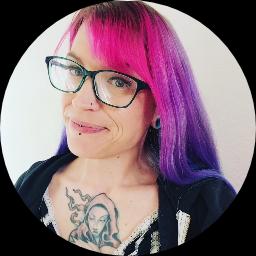
About Breonna
Breonna Krafft is a licensed professional counselor (LPC) based in Idaho who helps people facing stress, anxiety, depression, trauma and abuse, relationship struggles, addiction concerns, and LGBTQ issues. She works with people coping with grief, sleep problems, anger, low self-esteem, bipolar disorder, and life changes. Breonna places emphasis on restoring a sense of hope and resilience when daily life feels overwhelming.
Breonna uses a collaborative, person-centered style. She treats the person as the expert on their life while helping them spot patterns and try different ways of responding. Sessions are grounded in clear goals and practical next steps rather than long lectures.
Her clinical toolkit includes Motivational Interviewing, Dialectical Behavior Therapy (DBT), Eye Movement Desensitization and Reprocessing (EMDR), Mindfulness Therapy, and Client-Centered Therapy. These approaches are used to address symptoms, build coping skills, and process difficult memories at a pace that feels manageable.
With six years of professional experience, Breonna focuses on building steady progress over time. She offers a warm, direct presence and emphasizes safety and pacing when working on sensitive topics like trauma, addiction, or attachment concerns.
People who choose Breonna often want practical strategies and a therapist who listens without judgment. She encourages small steps toward change and helps people notice when those steps add up.
-
How Breonna’s approaches translate to online work
Breonna commonly uses Motivational Interviewing to help people clarify what matters to them and find internal motivation for change. This approach focuses on listening, asking open questions, and supporting small, meaningful steps toward goals.
She also uses Client-Centered Therapy, which means sessions prioritize the person’s point of view and pace. The therapist follows the client’s lead, reflects what she hears, and helps people feel understood while they consider new options.
Dialectical Behavior Therapy, or DBT, appears in her toolkit as well and is useful for building concrete skills like emotion regulation, distress tolerance, and improved communication. These skills are often practiced between sessions and reviewed collaboratively.
Finding the right approach is part of the work together. Breonna will help figure out which methods fit best based on a person’s needs, goals, and preferences. She tailors the mix of techniques and the pacing so clients can make steady progress.
Confirm current session formats before booking since the biography does not list specific options. Online therapy can make it easier to fit appointments into a busy week, allow shorter check-ins when needed, and reduce travel time. Therapists and licensed professionals adapt tools and exercises used in clinic to an online setting so clients can keep building skills and processing difficult experiences without rearranging their whole day. -
Areas of expertise
Primary focus
Also works with
AddictionsFamily conflictsGriefIntimacy-related issuesSleeping disordersAnger managementSelf esteemBipolar disorderCoping with life changesCompassion fatigueAdditional focus areas
AbandonmentAdoption and foster careAging and geriatric issuesAttachment issuesBDSM, kink, and alternative sex cultureBody imageChronic pain, illness, and disabilityCodependencyCommitment issuesCommunication problemsControl issuesDependent personalityDissociationDomestic violenceDrug and alcohol addictionFamily of origin issuesFamily problemsForgivenessGender dysphoriaGuilt and shameImpulsivityInfidelityIsolation / lonelinessJealousyLife purposeMood disordersMulticultural concernsPanic disorder and panic attacksPersonality disordersPolyamory / non-monogamous relationshipsPost-traumatic stressPrejudice and discriminationSelf-harmSelf-loveSexual assault and abuseSexualitySocial anxiety and phobiaTraumatic brain injuryWomen's issuesTherapeutic approaches
Client-Centered TherapyDialectical Behavior Therapy (DBT)Eye Movement Desensitization and Reprocessing (EMDR)Mindfulness TherapyMotivational InterviewingNarrative TherapySolution-Focused TherapyTrauma-Focused TherapyExperience
6+ years
Listed in
Idaho
Languages
English
-
Frequently asked questions
What kinds of concerns does Breonna help with?
She supports people dealing with stress, anxiety, depression, trauma and abuse, relationship and intimacy issues, addictions, grief, sleep problems, anger, self-esteem concerns, bipolar disorder, and coping with life changes. Additional focuses include attachment issues, body image, chronic illness, and codependency.
How would you describe her therapeutic style?
Her style is collaborative and person-centered. She helps clients set clear goals, try practical strategies, and reflect on what does and doesn’t work.
What is her professional background?
Breonna has six years of professional experience working with mental health concerns and related life challenges.
What credentials does she hold and where is she located?
She holds the LPC credential, which stands for Licensed Professional Counselor, and practices in Idaho.
Are sessions available in other languages or internationally?
Sessions are offered in English. International clients are not currently accepted.
What session formats are offered?
Please confirm current session options before booking, as session formats were not specified in the biography.
How does billing and cost work?
Cost varies with location and therapist availability; sessions use a subscription that can be canceled at any time.
How do I get started with Breonna?
Select the Start Therapy button, complete a short matching questionnaire, and schedule according to therapist availability.
-
Online talk therapy is not emergency or medical care. Stopping or cutting down alcohol or other drugs can be unsafe without medical advice. In immediate danger? Crisis numbers