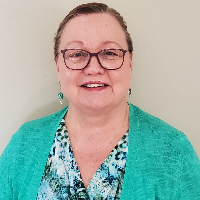
Dr. Susan Murati
LMHC, LCMHC
New Hampshire
Compassionate counselor focused on practical change
Continue with SusanAt a glance
- Credentials
- LMHC, LCMHC
- License
- LMHC, Massachusetts / 9746; LCMHC, New Hampshire / 2590
- NPI
- 1265756399
- Experience
- 19 years
- Languages
- English
- Location
- New Hampshire
Details come from information the therapist supplied to BetterHelp. A license can be checked with the state board.
-
- Motivational interviewing
- Acceptance and Commitment Therapy
- Client-centered care
About Susan
Dr. Susan Murati is a licensed mental health counselor who draws on client-centered and evidence-based methods to help people facing stress, anxiety, mood concerns, and life transitions. She presents a warm, interactive style and avoids stigmatizing labels. Her work aims to meet each person where they are and support practical steps toward change.
With 19 years of experience, she has helped people dealing with depression, ADHD, relationship difficulties, career strain, grief, and trauma. She uses models such as Acceptance and Commitment Therapy (ACT), cognitive behavioral therapy (CBT), narrative therapy, and motivational interviewing to shape sessions. Sessions are adapted to a person’s needs rather than following a fixed script.
In practice she focuses on everyday problems like communication issues, family of origin concerns, workplace stress, and feelings of isolation. She also addresses more specific struggles such as panic attacks, grief, addiction, and compassion fatigue. The emphasis is on practical tools and clearer thinking to reduce distress and improve daily functioning.
Her approach blends understanding with action. Clients can expect to talk through what matters most, try small experiments between sessions, and build skills for coping with strong emotions. She encourages curiosity about values, clearer goals, and steady steps toward them.
Dr. Murati holds an MA and practices in New Hampshire as a Licensed Mental Health Counselor (LMHC) and a Licensed Clinical Mental Health Counselor (LCMHC). She offers services in English and personalizes care to the concerns each person brings.
-
How therapy approaches guide remote care
Motivational Interviewing is a collaborative, goal-focused way to work through ambivalence about change. It helps people find their own reasons to shift habits and move toward meaningful goals. Acceptance and Commitment Therapy, or ACT, emphasizes clarifying what matters and taking action even when hard feelings are present; it can be useful for anxiety, depression, and life transitions. Client-Centered Therapy centers the person’s experience with empathy and listening, helping someone feel heard and understood before building next steps.
Choosing the right mix of methods is part of the work. The therapist will talk with each person about goals and preferences and then try approaches that fit. That collaboration helps decide whether to use motivational interviewing, ACT, CBT, or other strategies as the process unfolds.
The original biography does not specify session formats, so confirm current online options before booking. Online sessions can make it easier to fit therapy into a busy schedule, allow shorter check-ins when needed, and reduce travel time. They can also let someone join from a quieter location or avoid camera use if that helps them focus. Licensed professionals can adapt exercises, homework, and check-ins so therapy still feels practical and relevant to daily life. -
Areas of expertise
Primary focus
Also works with
AddictionsRelationship issuesGriefIntimacy-related issuesAnger managementBipolar disorderDepressionCoping with life changesCoachingCompassion fatigueADHDAdditional focus areas
Communication problemsFamily of origin issuesFamily problemsForgivenessGuilt and shameIsolation / lonelinessLife purposeMidlife crisisMulticultural concernsPanic disorder and panic attacksPrejudice and discriminationSelf-loveSocial anxiety and phobiaWomen's issuesWorkplace issuesYoung adult issuesTherapeutic approaches
Acceptance and Commitment Therapy (ACT)Client-Centered TherapyCognitive Behavioral Therapy (CBT)Dialectical Behavior Therapy (DBT)Motivational InterviewingNarrative TherapySolution-Focused TherapyTrauma-Focused TherapyExperience
19+ years
Listed in
Massachusetts, New Hampshire
Languages
English
-
Frequently asked questions
What concerns does she help with?
She works with issues such as stress, anxiety, depression, ADHD, relationship difficulties, trauma, grief, and career-related stress. Additional focuses include communication problems, self-esteem, and workplace issues.
What is her general therapy style?
Her style is warm and interactive, avoiding stigmatizing labels. She combines listening with practical tools and tailors sessions to each person.
What is her background and experience?
She has 19 years of counseling experience and has worked with a wide range of concerns across mood, trauma, and life transitions.
What credentials and location are listed?
She holds an MA and is licensed as an LMHC and an LCMHC, practicing in New Hampshire.
Which languages are supported and are international clients accepted?
Sessions are offered in English. International clients are not currently accepted.
What session formats are available?
The original biography does not list specific session formats, so please confirm current session options with the service before booking.
How are costs handled?
Cost varies with location and therapist availability, and sessions use a subscription that can be canceled at any time.
How do I begin working with her?
Use the Start Therapy button, complete a short matching questionnaire, and schedule according to the therapist's availability.
-
Online talk therapy is not emergency or medical care. Stopping or cutting down alcohol or other drugs can be unsafe without medical advice. In immediate danger? Crisis numbers