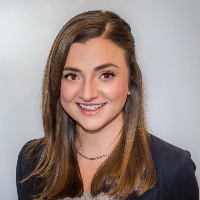
At a glance
- Credentials
- LMSW
- License
- LMSW, Michigan / 6801106679
- NPI
- 1063004455
- Experience
- 8 years
- Languages
- English
- Location
- Michigan
Details come from information the therapist supplied to BetterHelp. A license can be checked with the state board.
-
- Motivational Interviewing
- Client-centered care
- Practical skill building
About Sara
Sara Sutherland is a licensed social worker in Michigan who helps people manage stress, anxiety, grief, depression, and major life changes. She also supports those facing compassion fatigue, addiction concerns, intimacy and relationship struggles, parenting challenges, and issues like bipolar disorder and ADHD. Sara aims to make people feel seen and heard from the first visit.
She studied social work and psychology at Hope College and earned a master’s degree in clinical social work from Western Michigan University. Sara has eight years of experience working in private practice, health care, and hospice settings. That mix of settings shaped how she talks with people about loss, chronic illness, and end-of-life concerns.
Sara uses methods that include Motivational Interviewing, client-centered approaches, cognitive behavioral therapy, dialectical behavior therapy, and emotionally-focused work. In sessions she listens first, then helps people set small, practical goals and build skills they can use between meetings. Conversations tend to be direct and warm.
Her priority is honest support and steady collaboration. She helps people notice what matters to them, weigh options, and try manageable changes. Progress is approached step by step rather than as a quick fix.
If someone wants to start, the usual first step is a short matching questionnaire and scheduling a first appointment. Sara encourages questions about how therapy would fit into someone’s life before booking.
-
How therapeutic approaches translate to online care
Motivational Interviewing is a conversational method that helps people resolve mixed feelings about change. It focuses on drawing out personal reasons for change and building motivation one step at a time, which can help with addiction, behavior change, and overwhelm.
Client-Centered Therapy centers on listening and empathy. The therapist reflects back what someone says and supports them in finding their own answers, which can help when someone feels stuck, isolated, or uncertain about next steps.
Cognitive Behavioral Therapy, or CBT, helps people notice unhelpful thoughts and try different behaviors. It is often used for anxiety, depression, and patterns that get in the way of daily functioning by breaking problems into manageable parts.
Finding the right approach is part of the work. The therapist will collaborate with each person to identify goals, try methods that fit their needs, and adjust plans as progress unfolds. That shared planning helps match strategies to what someone actually wants to change.
Session logistics should be confirmed before booking since formats are not specified here. Many people appreciate online therapy because it can fit into busy schedules, reduce travel time, and make it easier to keep consistent appointments. Online sessions can also allow shorter check-ins when time is tight, or let someone choose a meeting style that suits their day-to-day routine. -
Areas of expertise
Primary focus
Also works with
AddictionsLGBTRelationship issuesFamily conflictsTrauma and abuseIntimacy-related issuesParenting issuesAnger managementSelf esteemBipolar disorderADHDAdditional focus areas
Aging and geriatric issuesAttachment issuesBody imageCancerCaregiver issues and stressChronic pain, illness, and disabilityCo-morbidityCommunication problemsFamily problemsFertility issuesForgivenessGuilt and shameHospice and end-of-life counselingIsolation / lonelinessJealousyLife purposeMood disordersObsessions, compulsions, and OCDPanic disorder and panic attacksPersonality disordersPost-traumatic stressSelf-loveSocial anxiety and phobiaWomen's issuesYoung adult issuesTherapeutic approaches
Client-Centered TherapyCognitive Behavioral Therapy (CBT)Dialectical Behavior Therapy (DBT)Emotionally-Focused Therapy (EFT)Mindfulness TherapyMotivational InterviewingNarrative TherapySolution-Focused TherapyExperience
8+ years
Listed in
Michigan
Languages
English
-
Frequently asked questions
What kinds of problems does she address?
Sara helps people facing stress, anxiety, grief, depression, and major life changes. She also supports concerns like addiction, compassion fatigue, relationship and intimacy issues, parenting challenges, bipolar disorder, and ADHD.
How would you describe her therapeutic style?
Her style is warm and direct, focusing on listening first and then working together on small, doable changes. Sessions balance supportive conversation with practical strategies.
What is her clinical background?
She has eight years of experience and has worked in private practice, health care, and hospice care. Her background includes work with grief, chronic illness, and personality-related concerns.
What credentials does she hold and where is she based?
She holds an LMSW, which stands for Licensed Master Social Worker, and practices in Michigan.
Which languages are available for sessions?
Sessions are offered in English.
Can people outside the U.S. work with her?
International clients are not currently accepted; sessions are offered to people located in the U.S., specifically within Michigan practice parameters.
How much do sessions cost?
Cost varies with location and therapist availability and uses a subscription that can be canceled at any time. Specific pricing will be provided during the matching and scheduling steps.
What are the steps to begin working with her?
Start by selecting the Start Therapy button, complete a short matching questionnaire, and then schedule according to therapist availability.
-
Online talk therapy is not emergency or medical care. Stopping or cutting down alcohol or other drugs can be unsafe without medical advice. In immediate danger? Crisis numbers