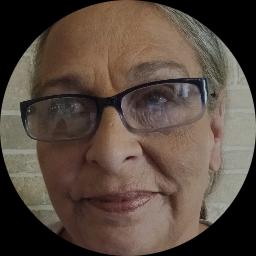
At a glance
- Credentials
- LMHC
- License
- LMHC, Florida / MH8610
- NPI
- 1932313848
- Experience
- 25 years
- Languages
- English
- Location
- Florida
Details come from information the therapist supplied to BetterHelp. A license can be checked with the state board.
-
- Client-centered care
- Skills-based methods
- Focus on recovery
About Rhonda
Rhonda McEntire is a Licensed Mental Health Counselor with 25 years of experience helping people through emotional and life challenges. She focuses on practical steps that reduce anxiety, manage stress, and address depression and addiction.
Rhonda creates a warm, respectful space where people can talk through what matters most to them. She listens for strengths and goals, then helps set small, doable steps toward change. Motivational Interviewing and client-centered methods are part of how she helps people find their own reasons for change.
Her work also draws on cognitive behavioral techniques and mindfulness practices to teach skills for handling overwhelming thoughts and feelings. Dialectical behavior ideas are used when people need tools for emotional regulation and crisis management. Sessions aim to build clearer thinking and steadier coping in everyday life.
Rhonda has considerable experience with adoption and foster care issues, chronic pain or illness, codependency, and family of origin problems. She also supports people dealing with divorce, domestic violence aftermath, substance use concerns, and identity-related stress such as gender dysphoria.
People seeking coaching around life transitions, fatherhood issues, forgiveness work, or rebuilding self-esteem will find focused support. Rhonda helps clients address control issues, dissociation, guilt, and feelings of emptiness while honoring each person's story.
Practically, she works with individuals on goal-setting, relapse prevention, and coping strategies tied to daily routines. Her practice is based in Florida and she offers services in English, including for some international clients.
-
Therapeutic approaches and how they work online
Motivational Interviewing focuses on helping people find their own reasons to change. It uses conversation to build motivation and reduce resistance when someone faces tough choices or addictive behaviors.
Client-Centered Therapy centers the person’s own experience. The therapist listens carefully, reflects what is heard, and follows the client’s pace so they can explore values, identity, and emotional needs.
Cognitive Behavioral Therapy, or CBT, looks at how thoughts, feelings, and actions link together. It teaches practical skills for spotting unhelpful thinking patterns and testing small behavior changes to reduce anxiety and depression.
Finding the right approach is part of the work. The therapist will collaborate with the client to decide which methods fit goals, preferences, and daily life. That may mean trying different techniques and adjusting as progress is made.
Online therapy can make it easier to fit sessions into a busy schedule, reduce travel time, and allow for consistent check-ins during life transitions. Because the biography does not list specific session formats, confirm available options before booking. Discussing practical needs during the first meeting helps shape how therapy is scheduled and which techniques are used so progress aligns with everyday routines. -
Areas of expertise
Also works with
Bipolar disorderCoachingAdditional focus areas
Adoption and foster careChronic pain, illness, and disabilityCodependencyControl issuesDissociationDivorce and separationDomestic violenceDrug and alcohol addictionEmptinessFamily of origin issuesFamily problemsFatherhood issuesForgivenessGender dysphoriaGuilt and shameHIV / AIDSInfidelityIsolation / lonelinessJealousyLife purposeMood disordersPanic disorder and panic attacksPolyamory / non-monogamous relationshipsPost-traumatic stressSelf-loveSexualitySocial anxiety and phobiaWomen's issuesWorkplace issuesTherapeutic approaches
Client-Centered TherapyCognitive Behavioral Therapy (CBT)Dialectical Behavior Therapy (DBT)Mindfulness TherapyMotivational InterviewingSolution-Focused TherapyExperience
25+ years
Listed in
Florida
Languages
English
-
Frequently asked questions
What kinds of issues does Rhonda work with?
She helps people with stress, anxiety, depression, addictions, self-esteem, bipolar concerns, and coping with life changes. Additional focus areas include adoption and foster care, chronic illness and pain, family of origin issues, and more.
What is her therapeutic style?
Her approach is warm and client-centered, using motivational interviewing to find personal motivation and CBT, DBT, and mindfulness tools to teach practical coping skills.
How much experience does she have?
Rhonda brings 25 years of clinical experience working with people facing complex life challenges and emotional health concerns.
What are her credentials and where is she based?
She is a Licensed Mental Health Counselor (LMHC) practicing in Florida.
Can I work with her if I live outside the United States?
Sessions are offered in English and she accepts international clients; confirm any country-specific considerations before scheduling.
What session formats are available?
The original biography does not list specific session formats, so please confirm current session options before booking.
How much do sessions cost?
Cost varies with location and therapist availability; sessions use a subscription that can be canceled at any time.
How do I start therapy with her?
Select the Start Therapy button, complete a short matching questionnaire, and schedule according to therapist availability.
-
Online talk therapy is not emergency or medical care. Stopping or cutting down alcohol or other drugs can be unsafe without medical advice. In immediate danger? Crisis numbers