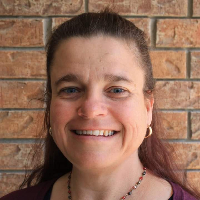
Dr. Michelle Dobson
LPC
Arkansas
Motivation-focused, goal-oriented counseling
Continue with MichelleAt a glance
- Credentials
- LPC
- License
- LPC, Arkansas / P1602021
- NPI
- 1477823383
- Experience
- 10 years
- Languages
- English
- Location
- Arkansas
Details come from information the therapist supplied to BetterHelp. A license can be checked with the state board.
-
- Motivational Interviewing
- Play-informed approaches
- Goal-focused work
About Michelle
Dr. Michelle Dobson is a licensed professional counselor (LPC) based in Arkansas who often uses Motivational Interviewing alongside client-centered and attachment-focused approaches. She brings ten years of experience helping people manage anxiety, depression, trauma, and life transitions. Michelle describes her work as practical and goal-focused, with an emphasis on communication and relationship skills.
Michelle holds a master's degree in mental health counseling and a PhD in counselor education and supervision. She is also a Registered Play Therapist and values play as a way to understand and heal. Her background supports work with a wide range of concerns, from mood disorders and ADHD to grief and compassion fatigue.
In sessions she looks at past experiences to better understand current patterns, but most of the work centers on clear goals for the future. She helps people identify strengths and build skills to reach those goals, focusing on communication and problem solving. The approach is collaborative and paced to match each person's needs.
Michelle has supported people dealing with relationship strain, parenting challenges, blended family dynamics, and caregiver stress. She also addresses issues such as hoarding, shame, impulsivity, and isolation. Her training in play-based methods offers additional options for those who find nonverbal ways of working helpful.
Her practice approach combines straightforward talk, practical skill-building, and encouragement. People who want to work toward concrete changes and better communication may find her style useful. Sessions aim to be focused and usable in everyday life.
-
How Motivational and Attachment-Based Methods Translate Online
Motivational Interviewing focuses on exploring a person's own reasons for change in a respectful, nonjudgmental way. It helps when someone feels stuck or unsure about taking the next step and supports building commitment to small, concrete changes.
Attachment-Based Therapy looks at how early relationships shape current patterns of closeness and trust. It can help people who want clearer communication, fewer misunderstandings, and stronger emotional connection in their relationships.
Client-Centered Therapy centers the conversation on each person's experience, with the therapist following the person's lead and reflecting what matters most. This approach helps people feel heard and then move toward goals at their own pace.
Finding the right approach is part of the work together. The therapist will discuss options, listen to your goals, and recommend ways to proceed that fit your needs and preferences. The plan can change over time as progress is made.
If you are considering online sessions, confirm the current session options before booking. Many people appreciate online work for fitting therapy into a busy week, reducing travel time, and making it easier to schedule short check-ins or longer sessions around work or caregiving. Talk with the therapist about what will work best for your routine and goals. -
Areas of expertise
Primary focus
Also works with
Relationship issuesFamily conflictsTrauma and abuseGriefIntimacy-related issuesAnger managementCareer difficultiesBipolar disorderCoping with life changesCoachingCompassion fatigueADHDAdditional focus areas
AbandonmentAttachment issuesBlended family issuesCaregiver issues and stressCommunication problemsFamily problemsForgivenessGuilt and shameHoardingImpulsivityIsolation / lonelinessLife purposeVeteran and Armed Forces IssuesMood disordersYoung adult issuesTherapeutic approaches
Attachment-Based TherapyClient-Centered TherapyCognitive Behavioral Therapy (CBT)Mindfulness TherapyMotivational InterviewingSolution-Focused TherapyTrauma-Focused TherapyExperience
10+ years
Listed in
Arkansas
Languages
English
-
Frequently asked questions
What kinds of concerns does she help with?
She works with stress, anxiety, depression, trauma and abuse, grief, relationship and intimacy issues, parenting and family strain, ADHD, bipolar and mood disorders, and other life changes.
What is her approach in sessions?
She blends Motivational Interviewing with client-centered and attachment-based ideas, and uses CBT and mindfulness tools when helpful. Sessions focus on practical steps and building strengths toward clear goals.
How much experience does she have?
She has ten years of clinical experience working with a broad range of concerns and life stages, including work that draws on play-based methods.
What are her credentials and where is she located?
She is a licensed professional counselor - LPC - in Arkansas and holds a master’s in mental health counseling plus a PhD in counselor education and supervision.
Which languages are supported?
Sessions are offered in English.
Can people outside the U.S. work with her?
She does not accept international clients at this time.
How does pricing work?
Cost varies by location and therapist availability, and sessions use a subscription that can be canceled at any time.
How do I begin if I want to work together?
Use the Start Therapy button, complete the short matching questionnaire, and schedule according to therapist availability.
-
Online talk therapy is not emergency or medical care. Stopping or cutting down alcohol or other drugs can be unsafe without medical advice. In immediate danger? Crisis numbers