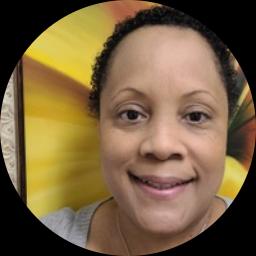
At a glance
- Credentials
- LMHC
- License
- LMHC, Washington / LH61176686
- NPI
- 1629435425
- Experience
- 8 years
- Languages
- English
- Location
- Washington
Details come from information the therapist supplied to BetterHelp. A license can be checked with the state board.
-
- Motivational approach
- Goal focused
- Trauma aware
About Darlene
Darlene Hill is a licensed mental health counselor (LMHC) who uses Motivational Interviewing alongside other approaches to help people move forward. She focuses on practical steps that fit into everyday life and meets people where they are in moments of doubt or overwhelm.
Clients come with anxiety, depression, trauma, grief, and relationship strain. She also addresses stress, addictions, sleep problems, anger, self-esteem, and career concerns. Issues like abandonment, attachment, communication problems, and control issues are also within her focus.
With eight years of clinical experience, she combines goal-focused work with attention to how past hurts affect present choices. Sessions aim to build momentum, whether the challenge is coping with life changes, navigating separation, or managing ADHD symptoms.
Her background includes work with veteran and first responder issues, multicultural concerns, and the effects of prejudice and discrimination. She uses CBT and solution-focused techniques to break problems into manageable steps and EMDR to address traumatic memories when appropriate.
She approaches therapy as a collaborative process. Together with the person seeking help, she sets small, achievable goals and revisits strategies as progress happens. The overall aim is steadier days and clearer direction for moving forward.
-
How therapeutic approaches translate to online sessions
Motivational Interviewing emphasizes gentle conversation to discover what matters to a person and what small steps feel doable next. It can be useful for people struggling with motivation around change, addiction, or getting unstuck.
Cognitive Behavioral Therapy, or CBT, breaks problems into thoughts, feelings, and actions and looks for concrete changes. It often helps with anxiety, depression, sleep problems, and anger by teaching simple skills to try between sessions.
Eye Movement Desensitization and Reprocessing, or EMDR, is a method used to process upsetting memories so they feel less overwhelming. When appropriate, it can be part of work on trauma and post-traumatic stress.
Finding the right mix of approaches is part of the first few sessions. The therapist will work collaboratively to choose methods that match a person's goals, needs, and preferences rather than prescribing a single path up front.
Confirm the current session options before booking, since formats are set by the therapist's practice. Online work can make it easier to fit sessions into a busy schedule, allow for shorter check-ins when needed, and remove travel time to appointments. Discuss practical preferences at the start so session length and frequency can be arranged to fit everyday life. -
Areas of expertise
Primary focus
Also works with
AddictionsLGBTFamily conflictsIntimacy-related issuesSleeping disordersAnger managementSelf esteemCareer difficultiesCoping with life changesADHDAdditional focus areas
AbandonmentAttachment issuesCommunication problemsControl issuesDivorce and separationFirst responder issuesForgivenessGuilt and shameInfidelityIsolation / lonelinessLife purposeVeteran and Armed Forces IssuesMulticultural concernsPost-traumatic stressPrejudice and discriminationWomen's issuesWorkplace issuesYoung adult issuesTherapeutic approaches
Cognitive Behavioral Therapy (CBT)Eye Movement Desensitization and Reprocessing (EMDR)Motivational InterviewingSolution-Focused TherapyExperience
8+ years
Listed in
Washington
Languages
English
-
Frequently asked questions
What problems does she help with?
She helps people facing anxiety, depression, trauma and grief. Other areas include relationship strain, addictions, sleep troubles, anger, and self-esteem.
What is her therapeutic style?
She uses Motivational Interviewing to build momentum and readiness for change, mixing in Cognitive Behavioral Therapy and solution-focused techniques to create practical steps.
How much clinical experience does she have?
She has eight years of experience working with a range of concerns, including PTSD, first responder issues, and multicultural stressors.
What are her credentials and where does she practice?
She is a licensed mental health counselor, LMHC, licensed in Washington. Her professional base is in Washington state.
Which languages are supported?
Sessions are offered in English.
Can people outside the US work with her?
She does not accept international clients at this time.
How does cost and billing work?
Cost varies with location and therapist availability; sessions use a subscription that can be canceled at any time.
How do I begin therapy?
Select the Start Therapy button, complete a short matching questionnaire, and schedule according to the therapist's availability.
-
Online talk therapy is not emergency or medical care. Stopping or cutting down alcohol or other drugs can be unsafe without medical advice. In immediate danger? Crisis numbers