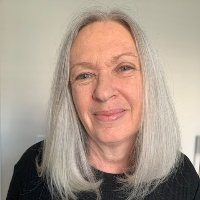
At a glance
- Credentials
- LCSW
- License
- LCSW, New York / 073780
- NPI
- 1548300635
- Experience
- 30 years
- Languages
- English, Hebrew
- Location
- New York
Details come from information the therapist supplied to BetterHelp. A license can be checked with the state board.
-
- Strengths focused
- Motivational style
- Attachment informed
About Anat
Dr. Anat Anais is a licensed clinical social worker (LCSW) in New York with 30 years of clinical experience. She helps people manage stress, anxiety, depression, relationship and intimacy concerns, grief, addiction, and trauma. She also works with issues around parenting, sleep and eating difficulties, career strain, and self-esteem.
Her approach is practical and person-centered. She focuses on each person's strengths and avoids a one-size-fits-all plan. Sessions involve listening, asking questions, and working with clients to set realistic goals. She draws on different methods to match what each person needs.
Dr. Anais integrates motivational interviewing to help people find their own reasons for change. She uses attachment-based ideas to look at how early relationships shape current patterns. Cognitive behavioral techniques are used when helpful to identify unhelpful thoughts and try new behaviors.
She has supported people dealing with abandonment, adoption and foster care concerns, body image and shame, communication and control problems, and recovery from domestic violence. She also addresses complex presentations such as dissociation, disruptive mood dysregulation disorder, and bipolar-related challenges.
Dr. Anais earned her master’s and doctorate degrees in social work from Adelphi University. She speaks English and Hebrew and practices from New York. If you decide to begin, she will collaborate with you to develop a plan that fits your goals and life circumstances.
-
How chosen approaches translate to online work
Motivational Interviewing focuses on helping people find their own reasons to change. It uses open questions, reflective listening, and goal-setting to build motivation for steps like reducing substance use or improving health routines. Attachment-Based Therapy looks at how early relationship patterns affect current behavior and feelings. In therapy, people talk about past bonds and practice new ways of relating to feel more secure in relationships. Client-Centered Therapy emphasizes understanding the person's experience without judgement. The therapist offers empathy and support while people steer the pace and topics of therapy. Finding the right approach is a collaborative process. The therapist will discuss goals, preferences, and what has or hasn't helped in the past to decide which methods to try first. That plan can change as work progresses and new needs emerge. Confirm the available session formats before booking since this profile does not list specific options. Online therapy can make it easier to fit sessions into a busy day, reduce travel time, and allow for shorter check-ins when needed. Some people find audio-only sessions helpful when bandwidth is limited, while others prefer video for face-to-face interaction. Talk with the therapist about what will work best for your routine and goals. -
Areas of expertise
Primary focus
Also works with
AddictionsLGBTFamily conflictsGriefIntimacy-related issuesEating disordersSleeping disordersParenting issuesAnger managementCareer difficultiesBipolar disorderCoping with life changesCoachingCompassion fatigueAdditional focus areas
AbandonmentAdoption and foster careAttachment issuesBlended family issuesBody imageCommunication problemsControl issuesCoping with natural or human-caused disasterDisruptive Mood Dysregulation Disorder (DMDD)DissociationDivorce and separationDomestic violenceFamily of origin issuesFamily problemsGuilt and shameImpulsivityIsolation / lonelinessMood disordersMulticultural concernsSocial anxiety and phobiaWomen's issuesYoung adult issuesTherapeutic approaches
Attachment-Based TherapyClient-Centered TherapyCognitive Behavioral Therapy (CBT)Emotionally-Focused Therapy (EFT)Motivational InterviewingNarrative TherapyPsychodynamic TherapySolution-Focused TherapySomatic TherapyTrauma-Focused TherapyExperience
30+ years
Listed in
New York
Languages
English, Hebrew
-
Frequently asked questions
What concerns does this therapist address?
She supports many issues including stress, anxiety, depression, trauma and abuse, relationship and intimacy challenges, addictions, grief, self-esteem, parenting, sleep and eating problems, career concerns, and coping with life changes.
What is the therapist's general style in sessions?
The style is humanistic and person-centered, focusing on strengths and collaboration. Sessions emphasize listening, exploring options, and tailoring plans to each person.
What kinds of therapeutic approaches are used?
The therapist draws from several approaches including Motivational Interviewing, Attachment-Based Therapy, Client-Centered Therapy, Cognitive Behavioral Therapy, and Emotionally-Focused Therapy to match client needs.
What is the therapist's background and experience?
She has 30 years of clinical experience and earned a master’s and doctorate in social work from Adelphi University.
Where is the therapist located and what credentials do they hold?
She practices in New York and holds the LCSW credential issued in New York.
Which languages are supported for sessions?
Sessions are offered in English and Hebrew.
How are sessions scheduled and what formats are available?
Please confirm current session options before booking, as formats are not specified in the profile. Scheduling follows the therapist's availability once you complete the intake steps.
How is payment handled and how do I get started?
Cost varies with location and therapist availability and sessions use a subscription that can be canceled at any time. To begin, select the Start Therapy button, complete a short matching questionnaire, and schedule according to therapist availability.
-
Online talk therapy is not emergency or medical care. Stopping or cutting down alcohol or other drugs can be unsafe without medical advice. In immediate danger? Crisis numbers