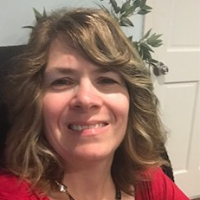
At a glance
- Credentials
- LMHC
- License
- LMHC, New York / 005537
- NPI
- 1689019119
- Experience
- 12 years
- Languages
- English
- Location
- New York
Details come from information the therapist supplied to BetterHelp. A license can be checked with the state board.
-
- Client-centered care
- Goal oriented
- Motivational approach
About Tamie
Tamie O'Neil is a Licensed Mental Health Counselor practicing in New York. She meets people where they are and helps them identify practical goals. Sessions focus on clear steps clients can take to feel steadier and move forward.
She draws on a client-centered style that puts the person's priorities first. That means listening, asking useful questions, and shaping goals from what matters most to the client. Motivational Interviewing is part of the toolbox used to help people find their own reasons to change.
Tamie also uses cognitive behavioral strategies to notice unhelpful thoughts and shift patterns that keep problems stuck. Mindfulness techniques are woven in to help with stress, anxiety, and managing intense emotions. Solution-focused ideas help keep work short-term and goal-directed when that suits the person.
Her background includes crisis counseling and work with a wide variety of concerns, including anxiety, depression, bipolar disorder, trauma, eating concerns, grief, addiction, and relationship strain. She helps people build coping skills, identify supports, and plan steps toward safety and stability when needed.
With 12 years of experience, Tamie aims to empower clients to take steady, manageable steps toward healthier routines and stronger emotional coping. People who want clear goals and practical strategies may find her approach helpful.
-
How Tamie's Approaches Work Online
Motivational Interviewing helps people clarify why change matters to them and strengthens their own motivation. Online sessions using this approach focus on asking open questions, reflecting concerns, and building a concrete plan that fits the person's life.
Client-Centered Therapy centers on listening and following the client's agenda. In an online setting this means the conversation sets the pace and goals, and the therapist supports choices without directing them.
Cognitive Behavioral Therapy (CBT) looks at the links between thoughts, feelings, and actions and teaches practical skills to shift unhelpful patterns. Online CBT sessions often include short exercises, homework, and step-by-step problem solving to use between meetings.
Choosing the right approach is a collaborative process. The therapist will work with each person to identify goals, try different strategies, and adjust methods based on what helps most. That way the work evolves from the client's needs and preferences.
The profile does not specify session formats, so confirm current options before booking. In general, online therapy can make it easier to fit sessions into a busy life, shorten travel time, and allow for check-ins from different places. It also lets therapists use worksheets, guided mindfulness practices, and behavioral experiments between meetings to keep progress moving. -
Areas of expertise
Primary focus
Also works with
AddictionsLGBTTrauma and abuseGriefIntimacy-related issuesEating disordersSleeping disordersAnger managementSelf esteemBipolar disorderCoping with life changesCompassion fatigueADHDAdditional focus areas
Antisocial personalityBlended family issuesCaregiver issues and stressCommitment issuesCommunication problemsControl issuesDisruptive Mood Dysregulation Disorder (DMDD)Divorce and separationFamily problemsImpulsivityIsolation / lonelinessMidlife crisisMoney and financial issuesMood disordersPanic disorder and panic attacksPost-traumatic stressSeasonal Affective Disorder (SAD)Self-loveSocial anxiety and phobiaTherapeutic approaches
Client-Centered TherapyCognitive Behavioral Therapy (CBT)Mindfulness TherapyMotivational InterviewingSolution-Focused TherapyTrauma-Focused TherapyExperience
12+ years
Listed in
New York
Languages
English
-
Frequently asked questions
What kinds of concerns can be addressed?
She works with a wide range of concerns such as stress, anxiety, depression, trauma and abuse, addiction, grief, relationship and intimacy issues, sleep and eating concerns, anger, and mood disorders.
What is her general therapy style?
Her style is client-centered, meaning sessions focus on the client's priorities. She helps people set goals and identify steps to reach them using collaborative conversation.
What experience does she bring?
She has 12 years of experience, including work as a crisis counselor. That background includes supporting people in acute distress and helping them build safety plans and coping skills.
What credentials and location are listed?
She is a Licensed Mental Health Counselor (LMHC) licensed in New York and practices from that state.
Which languages are sessions offered in?
Sessions are offered in English and she accepts international clients.
What session formats are available?
The biography does not list specific session formats. Please confirm current session options before scheduling so you know how sessions will be conducted.
How are fees and payment handled?
Cost varies with location and therapist availability. Sessions use a subscription model that can be canceled at any time.
How do I begin working together?
Start by selecting the Start Therapy button, completing a short matching questionnaire, and then scheduling according to the therapist's availability.
-
Online talk therapy is not emergency or medical care. Stopping or cutting down alcohol or other drugs can be unsafe without medical advice. In immediate danger? Crisis numbers