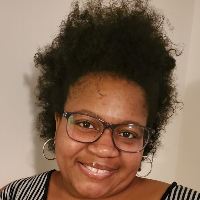
Shalika Eaddy-Henderson
LCSW
North Carolina
Calm, practical therapy for everyday pressures
Continue with ShalikaAt a glance
- Credentials
- LCSW
- License
- LCSW, North Carolina / C011800
- NPI
- 1679012967
- Experience
- 10 years
- Languages
- English
- Location
- North Carolina
Details come from information the therapist supplied to BetterHelp. A license can be checked with the state board.
-
- Motivational interviewing
- Client-centered care
- Practical coping skills
About Shalika
Shalika Eaddy-Henderson is a Licensed Clinical Social Worker (LCSW) who uses Motivational Interviewing alongside client-centered and cognitive behavioral approaches. She focuses on practical, calm conversations that help people manage stress, anxiety, depressive symptoms, ADHD challenges, relationship strain, and addictions. Her tone is down-to-earth and direct, aimed at people who feel stuck or sleepless from worry.
She begins sessions by checking in about recent days or the last hour, then follows the client’s lead on what to focus on. That structure helps make time feel useful from the first meeting. She draws on about 10 years in social work and related settings to shape goals that fit each person’s life.
Earlier work outside of clinical care gave her insight into everyday stressors. That background came from a career in banking and a Master of Public Administration before shifting to social work. Those experiences inform how she talks about work stress, money worries, and life transitions.
Her training includes a Master of Social Work and ongoing doctoral study in social work. She uses straightforward practices like mindfulness and narrative techniques to help people notice patterns and build new habits. Sessions focus on what the client wants to change and practical steps to get there.
People seeking help with family problems, communication, grief around separation, body image, fertility concerns, or panic symptoms may find this approach useful. She works from North Carolina and conducts therapy in English. To begin, clients complete a short match questionnaire and then schedule sessions based on availability.
-
How these approaches translate to online therapy
Motivational Interviewing focuses on helping people find their own reasons to change. In practice this means the therapist asks open questions, reflects what she hears, and helps people weigh options and next steps. This approach can help with addictions, motivation around life changes, and building new routines.
Client-Centered Therapy centers the person’s perspective. The therapist follows the client’s lead, listens without judgment, and helps people feel heard while they sort out what matters most. Cognitive Behavioral Therapy, or CBT, looks at patterns of thought and behavior and teaches practical skills to reduce anxiety, manage mood, and address panic symptoms.
Finding the right approach is part of the work. The therapist will collaborate with the client to choose methods that match goals, comfort level, and daily life. This may mean trying one approach for a while and adapting based on what helps.
Confirm current online session options before booking, as formats are set by the therapist. Online therapy can make it easier to fit sessions into a busy schedule, reduce travel time, allow shorter check-ins during a work break, or avoid needing to be on camera when bandwidth is low. Licensed professionals can still use mindfulness, motivational interviewing, and CBT techniques effectively in virtual sessions; the focus remains on practical tools and progress that fit the client’s life. -
Areas of expertise
Also works with
Additional focus areas
Body imageCommunication problemsControl issuesDivorce and separationDomestic violenceFamily problemsFertility issuesForgivenessGuilt and shameInfidelityIsolation / lonelinessJealousyMood disordersPanic disorder and panic attacksPregnancy and childbirthPrejudice and discriminationSelf-harmSelf-loveSexualitySocial anxiety and phobiaWomen's issuesYoung adult issuesTherapeutic approaches
Client-Centered TherapyCognitive Behavioral Therapy (CBT)Mindfulness TherapyMotivational InterviewingNarrative TherapyPsychodynamic TherapySolution-Focused TherapyTrauma-Focused TherapyExperience
10+ years
Listed in
North Carolina
Languages
English
-
Frequently asked questions
What kinds of problems does this therapist help with?
She works with stress, anxiety, depression, ADHD, addictions, relationship and family concerns, anger, and coping with life changes. Additional focuses include body image, communication problems, fertility issues, panic attacks, and pregnancy related concerns.
What is the therapist's general approach in sessions?
Her style is client-centered and collaborative. She often begins by asking how the client’s day or week has been and then follows their lead while using tools from Motivational Interviewing, CBT, mindfulness, and narrative work.
How much experience does the therapist have?
She has about 10 years of experience in social work and related roles, including work with people affected by homelessness and substance use.
What credentials and region should I know about?
She is a Licensed Clinical Social Worker (LCSW) licensed in North Carolina and practices there.
Which languages are supported for sessions?
Sessions are offered in English.
Can international clients work with this therapist?
She is not accepting international clients at this time.
How does payment and cost work?
Cost varies with location and therapist availability and uses a subscription model that can be canceled at any time.
How do I get started with scheduling?
Use the Start Therapy button, complete a short matching questionnaire, and then schedule sessions according to the therapist's availability.
-
Online talk therapy is not emergency or medical care. Stopping or cutting down alcohol or other drugs can be unsafe without medical advice. In immediate danger? Crisis numbers