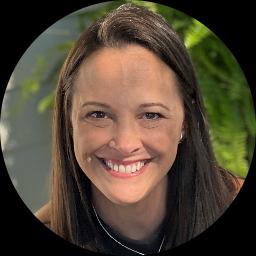
Margaret Thomas- Lapsley
LMHC
Florida
Practical, trauma-informed care for adults
Continue with MargaretAt a glance
- Credentials
- LMHC
- License
- LMHC, Florida / MH11733
- NPI
- 1174829097
- Experience
- 16 years
- Languages
- English
- Location
- Florida
Details come from information the therapist supplied to BetterHelp. A license can be checked with the state board.
-
- Collaborative approach
- Skills focused
- Warm and present
About Margaret
Margaret Thomas- Lapsley is a licensed mental health counselor with 16 years of experience who helps adults facing anxiety, depression, and major life changes. She works with people handling relationship struggles, grief, and challenges linked to trauma and addiction. Sessions focus on clear goals and practical steps to make everyday life feel more manageable.
She uses a collaborative, skills-based approach that emphasizes emotional regulation and boundary setting. Much of her work centers on helping clients rebuild self-trust and find clearer ways to cope. Treatment draws on approaches such as Motivational Interviewing, Acceptance and Commitment Therapy, and Cognitive Behavioral Therapy to tailor work to each person’s needs.
Her style is warm and present. Clients can expect a nonjudgmental space where their experiences are listened to and respected. Conversations aim to balance understanding what happened with learning specific tools to reduce distress and improve relationships.
Margaret has particular experience with trauma from childhood, military service, and sexual trauma, and she integrates that experience into a relational and trauma-informed way of working. She also supports people dealing with first responder and veteran-related concerns, substance use, and mood disorders.
In practical terms, she helps people set attainable steps and notice small changes that add up. The therapeutic pace is set together, matching what feels doable while moving toward clearer goals.
-
How therapy approaches translate to online care
Motivational Interviewing is a collaborative, goal-oriented way of talking that helps people find their own reasons to change. It focuses on listening, asking open questions, and drawing out a person's motivation for healthier choices.
Acceptance and Commitment Therapy, or ACT, teaches practical skills to notice thoughts and feelings without getting stuck by them, and to commit to actions that reflect personal values. It can be useful for anxiety, depression, and life transitions.
Attachment-Based Therapy looks at how past relationships shape current patterns and connection needs. It can help people improve how they relate and set healthier boundaries.
Choosing the right approach is part of the work. The therapist talks with each person about goals and tries different strategies when needed. That collaborative process helps match methods to what feels most useful and realistic.
Online therapy can make it easier to fit sessions into busy days and reduce travel time. It also lets people use therapeutic tools in their normal routines, practice skills between meetings, and check in with shorter sessions when helpful. The original biography does not list specific session formats, so confirm available options before booking. Licensed professionals can adapt these approaches to remote sessions while focusing on practical steps and emotional support. -
Areas of expertise
Also works with
Relationship issuesFamily conflictsGriefIntimacy-related issuesAnger managementCoping with life changesCompassion fatigueAdditional focus areas
Body imageCommitment issuesCommunication problemsDivorce and separationDrug and alcohol addictionEmptinessFamily problemsFirst responder issuesForgivenessGuilt and shameInfidelityJealousyLife purposeVeteran and Armed Forces IssuesMood disordersPanic disorder and panic attacksPost-traumatic stressPregnancy and childbirthProcess addiction (porn, exercise, gambling)Self-loveSexual assault and abuseSocial anxiety and phobiaWomen's issuesYoung adult issuesTherapeutic approaches
Acceptance and Commitment Therapy (ACT)Attachment-Based TherapyClient-Centered TherapyCognitive Behavioral Therapy (CBT)Emotionally-Focused Therapy (EFT)Mindfulness TherapyMotivational InterviewingSolution-Focused TherapyTrauma-Focused TherapyExperience
16+ years
Listed in
Florida
Languages
English
-
Frequently asked questions
What issues does she commonly address?
She helps adults with stress, anxiety, depression, trauma and abuse, addictions, relationship and family concerns, grief, anger, and coping with life changes.
How would you describe her therapeutic style?
Her style is warm, present, and collaborative with a focus on practical skills like emotional regulation and boundary setting.
What kind of experience does she bring to therapy?
She has 16 years of clinical experience, including work with childhood trauma, military-related trauma, sexual trauma, first responder issues, and mood disorders.
Where is she licensed and practicing?
She is a Florida LMHC, licensed mental health counselor practicing in Florida.
Which languages are supported in sessions?
Sessions are offered in English and international clients are not currently accepted.
What session formats are available?
The therapist's original biography does not specify session formats, so confirm current session options before booking.
How does billing and cost work?
Cost varies with location and therapist availability; sessions use a subscription that can be canceled at any time.
How do I begin working with her?
Start by selecting the Start Therapy button, complete a short matching questionnaire, and then schedule according to the therapist's availability.
-
Online talk therapy is not emergency or medical care. Stopping or cutting down alcohol or other drugs can be unsafe without medical advice. In immediate danger? Crisis numbers