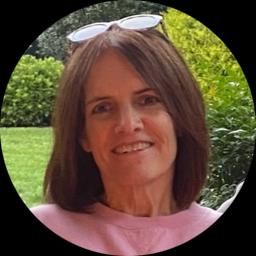
Dawn Thompson
LCMHC
North Carolina
Compassionate counselor focused on practical change
Continue with DawnAt a glance
- Credentials
- LCMHC
- License
- LCMHC, North Carolina / 3154
- NPI
- 1780606186
- Experience
- 26 years
- Languages
- English
- Location
- North Carolina
Details come from information the therapist supplied to BetterHelp. A license can be checked with the state board.
-
- Motivational interviewing
- Practical goal setting
- Bible based option
About Dawn
Dawn Thompson is a Licensed Clinical Mental Health Counselor (LCMHC) based in North Carolina. She helps people who are dealing with stress, anxiety, depression, grief, anger, low self-esteem, relationship and parenting concerns, and the strain that comes with caregiving and life changes.
She brings 26 years of counseling experience gathered in public mental health agencies, church settings, and private practice. Dawn combines practical talk, listening, and clear goal-setting to help people move forward. Sessions often focus on identifying small steps that fit into daily life.
Her approach uses familiar methods such as Motivational Interviewing to build motivation for change, Client-Centered Therapy to follow the client's pace, and Cognitive Behavioral Therapy to spot and shift unhelpful thoughts and behaviors. Narrative and Solution-Focused techniques are also part of her toolkit when they suit a person's needs.
Dawn holds a Bachelor’s Degree in Speech Communications from the University of North Carolina at Chapel Hill and a Master’s Degree in Agency Counseling from Lenoir-Rhyne College. She is licensed in North Carolina as an LCMHC.
People who choose her often want direct conversations, practical strategies, and support that respects their values, including the option of Bible-based Christian counseling when that is requested. Prospective clients should confirm current session options before booking.
-
How therapy approaches shape online sessions
Dawn draws on Motivational Interviewing to help people find their own reasons to change and take workable steps. That approach is useful when someone feels stuck or unsure about making a change. Client-Centered Therapy is also central to her practice, meaning sessions move at the client's pace and focus on listening and understanding. Cognitive Behavioral Therapy (CBT) is used to identify thought patterns and try practical experiments to change behaviors and mood.
Choosing the right approach is part of the work together. Dawn will talk with each person about goals, experiences, and preferences, and then recommend methods that fit. The process is collaborative and adjusts as progress is made.
Confirm the available session options before booking so you know what formats are offered. Online work can make it easier to fit therapy into a busy schedule, reduce travel time, and allow for shorter check-ins when needed. It also lets people try conversational, motivational, or skill-focused sessions in ways that match their day-to-day routines. -
Areas of expertise
Primary focus
Also works with
Additional focus areas
AbandonmentBlended family issuesCaregiver issues and stressCodependencyControl issuesDivorce and separationDomestic violenceFamily of origin issuesFamily problemsForgivenessGuilt and shameIsolation / lonelinessJealousyLife purposeSocial anxiety and phobiaWomen's issuesWorkplace issuesTherapeutic approaches
Client-Centered TherapyCognitive Behavioral Therapy (CBT)Motivational InterviewingNarrative TherapySolution-Focused TherapyExperience
26+ years
Listed in
North Carolina
Languages
English
-
Frequently asked questions
What kinds of concerns does Dawn address?
Dawn works with people facing stress, anxiety, depression, grief, anger, low self-esteem, parenting and relationship issues, bipolar concerns, and coping with life changes.
How would you describe her therapeutic style?
Her style is conversational and goal-oriented, focusing on listening, building motivation, and setting small practical steps that clients can use between sessions.
What is her clinical background?
She has 26 years of counseling experience in public mental health, church settings, and private practice, bringing both clinical and faith-informed perspectives.
What credentials and location does she have?
She holds a Master’s Degree in Agency Counseling from Lenoir-Rhyne College and is licensed in North Carolina as an LCMHC.
Which languages and international availability are supported?
Sessions are offered in English and she is not accepting international clients at this time.
What session formats are available?
Confirm current session options before booking so you know which formats are offered for scheduling and sessions.
How does billing and cost work?
Cost varies with location and therapist availability, and sessions use a subscription that can be canceled at any time.
What are the first steps to begin working together?
Use the Start Therapy button, complete a short matching questionnaire, and then schedule sessions according to the therapist's availability.
-
Online talk therapy is not emergency or medical care. Stopping or cutting down alcohol or other drugs can be unsafe without medical advice. In immediate danger? Crisis numbers