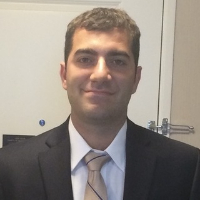
Danny El Hassan
LMHC
New York
Collaborative therapist focused on motivation and practical change
Continue with DannyAt a glance
- Credentials
- LMHC
- License
- LMHC, New York / 011499
- NPI
- 1861164287
- Experience
- 3 years
- Languages
- English
- Location
- New York
Details come from information the therapist supplied to BetterHelp. A license can be checked with the state board.
-
- Motivation-focused approach
- Strengths-based care
- Goal-oriented sessions
About Danny
Danny El Hassan is an LMHC based in New York who helps people facing anxiety, depression, stress, relationship strain, addiction challenges, and issues around identity and intimacy. He also sees people dealing with sleep problems, grief, career stress, ADHD, and complex concerns such as bipolar symptoms or co-occurring difficulties. He writes plainly and keeps sessions focused on practical steps people can try between meetings.
Danny uses a blend of approaches to guide the work, drawing on Motivational Interviewing, client-centered methods, cognitive-behavioral techniques, existential ideas, and mindfulness. He tends to highlight strengths and build small, achievable goals. Conversations often aim to increase awareness of patterns and to reduce the things that get in the way of change.
His background includes research and writing on LGBT issues and the experiences of older adults. He has also researched micro-aggressions affecting people with disabilities. Those experiences inform how he pays attention to identity, bias, and the social factors that shape a person’s life.
Danny has three years of clinical experience and holds a Licensed Mental Health Counselor credential in New York. He has worked in tele-health and as a phone counselor, including with people in crisis, and brings that familiarity to how he schedules and conducts sessions.
People who choose him can expect a collaborative, goal-oriented process that balances insight work with concrete strategies. He offers both shorter-term and longer-term therapy depending on what someone needs.
-
Approaches that translate well to online work
Motivational Interviewing is a conversational method that helps people weigh reasons to change and to build their own motivation. It works well for addiction, behavior change, and moments when someone feels stuck.
Client-Centered Therapy focuses on listening without judgment and reflecting back what matters to the person. This approach helps people feel heard and can support clearer decision making and stronger self-understanding.
Cognitive Behavioral Therapy, or CBT, looks at the links between thoughts, feelings, and behavior and teaches practical strategies to shift unhelpful patterns. It is often used for anxiety, depression, sleep problems, and stress management.
Finding the right approach is part of the process. The therapist will work together with each person to pick methods that match their goals, needs, and preferences. That might mean trying an idea for a few sessions and adjusting based on what feels most helpful.
Practical benefits of online work include easier scheduling and the ability to fit sessions into a busy day. Because Danny has experience in tele-health and phone counseling, he understands how remote sessions can be adapted for shorter check-ins, quieter conversation times, or step-by-step skill practice. Confirm the current session options before booking to make sure they fit your routine. -
Areas of expertise
Primary focus
Also works with
AddictionsRelationship issuesFamily conflictsGriefIntimacy-related issuesSleeping disordersCareer difficultiesBipolar disorderCoping with life changesCoachingCompassion fatigueAdditional focus areas
Aging and geriatric issuesAttachment issuesBDSM, kink, and alternative sex cultureBody imageCo-morbidityCodependencyControl issuesDependent personalityEating and food-related issuesEmptinessHIV / AIDSImmigration issuesImpulsivityIntellectual disabilityIsolation / lonelinessLife purposeMen's issuesMulticultural concernsObsessions, compulsions, and OCDPersonality disordersPolyamory / non-monogamous relationshipsProcess addiction (porn, exercise, gambling)Seasonal Affective Disorder (SAD)Self-harmSelf-loveSex addictionSexualitySocial anxiety and phobiaTherapeutic approaches
Client-Centered TherapyCognitive Behavioral Therapy (CBT)Existential TherapyMindfulness TherapyMotivational InterviewingPsychodynamic TherapySolution-Focused TherapyExperience
3+ years
Listed in
New York
Languages
English
-
Frequently asked questions
What concerns does he help with?
Danny works with stress, anxiety, depression, self-esteem issues, relationship and intimacy concerns, addictions, ADHD, grief, sleeping problems, career stress, bipolar symptoms, and related life changes.
What is his general therapeutic style?
He uses a collaborative, client-centered style that emphasizes strengths and achievable goals. Sessions mix talk about patterns with practical steps to try between meetings.
What background does he bring to sessions?
He has three years of clinical experience and experience working in tele-health and as a phone counselor. He has also published research on LGBT elder experiences and studied micro-aggressions affecting people with disabilities.
What credentials and location are listed?
He is an LMHC licensed in New York and practices from New York.
In which languages can I speak with him?
Sessions are offered in English.
Does he work with clients outside the country?
International clients are not currently accepted.
How are sessions scheduled and what does it cost?
Cost varies with location and therapist availability, and sessions use a subscription that can be canceled at any time.
How do I begin a series of sessions?
Click the Start Therapy button, complete a short matching questionnaire, and then schedule according to the therapist's availability.
-
Online talk therapy is not emergency or medical care. Stopping or cutting down alcohol or other drugs can be unsafe without medical advice. In immediate danger? Crisis numbers