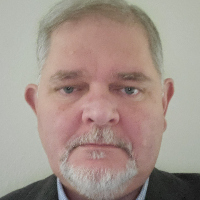
At a glance
- Credentials
- LMHC
- License
- LMHC, Florida / MH13083
- NPI
- 1497299010
- Experience
- 15 years
- Languages
- English
- Location
- Florida
Details come from information the therapist supplied to BetterHelp. A license can be checked with the state board.
-
- Goal-centered support
- Collaborative approach
- Practical skills focus
About Mark
Mark Rogers is a Florida-based LMHC who focuses on helping people handle stress, anxiety, grief, depression, ADHD, addictions, and relationship concerns. He frames sessions around goals you set and works to make progress feel practical and manageable. Mark emphasizes a respectful, nonjudgmental approach and centers the therapeutic relationship in his work.
He has over 15 years of counseling experience and two decades of background in career and daily functioning coaching. That mix shapes how he blends talk therapy with skills practice to help people cope with life changes and improve daily routines. He draws on methods such as cognitive behavioral therapy, dialectical behavior therapy, acceptance and commitment therapy, and motivational interviewing.
Mark also incorporates techniques aimed at trauma, anxiety, and attachment issues, and uses hypnotherapy and EMDR-style methods as part of his practice. He tends to focus on clients' strengths and on real-world steps that move them toward their chosen goals. Sessions emphasize collaboration rather than labels or diagnoses.
He has worked with a wide range of people across life stages and backgrounds. That experience informs his work with blended family issues, communication problems, fatherhood issues, veteran and armed forces concerns, panic and post-traumatic stress, self-harm, and young adult challenges. He also helps with career stress, self-esteem, anger, and coping after disasters.
Mark aims to be a facilitator of change while keeping responsibility for progress in the client's hands. He asks people to name their goals and then supports steady steps toward them, adjusting methods to fit each person's needs.
-
Approaches and how online sessions can help
Motivational Interviewing focuses on supporting a person’s own reasons for change. It uses open questions, reflective listening, and gentle guidance to help people clarify goals and build motivation for next steps. Acceptance and Commitment Therapy, or ACT, helps people notice difficult thoughts and feelings while taking actions that match their values; it often suits stress, anxiety, and life transitions. Client-Centered Therapy centers the person’s experience and uses empathic listening and respect to create a space where goals and solutions emerge from the client.
Deciding which approach to use is part of the work. The therapist will talk with the person about needs, goals, and preferences and then try methods that fit best. Sessions are collaborative, and adjustments are made as progress and circumstances change.
If you are considering online work, confirm the current session options before booking since formats are not specified here. Online therapy can make it easier to fit sessions into busy schedules, allow shorter check-ins when needed, and reduce travel time so people can access help between commitments. It can also offer choices about how to connect on a given day, which helps people continue steady work toward their goals. -
Areas of expertise
Primary focus
Also works with
AddictionsLGBTRelationship issuesFamily conflictsSleeping disordersParenting issuesAnger managementSelf esteemCareer difficultiesBipolar disorderCoping with life changesCoachingAdditional focus areas
Blended family issuesCommunication problemsCoping with natural or human-caused disasterFamily of origin issuesFamily problemsFatherhood issuesForgivenessImpulsivityMen's issuesVeteran and Armed Forces IssuesPanic disorder and panic attacksPost-traumatic stressSelf-harmSomatizationYoung adult issuesTherapeutic approaches
Acceptance and Commitment Therapy (ACT)Client-Centered TherapyCognitive Behavioral Therapy (CBT)Dialectical Behavior Therapy (DBT)Eye Movement Desensitization and Reprocessing (EMDR)HypnotherapyMindfulness TherapyMotivational InterviewingSolution-Focused TherapyTrauma-Focused TherapyExperience
15+ years
Listed in
Florida
Languages
English
-
Frequently asked questions
What concerns can Mark help with?
He works with a broad range of issues including stress, anxiety, trauma and abuse, grief, depression, ADHD, addictions, relationship and family concerns, sleeping and parenting challenges, anger, self-esteem, career questions, bipolar concerns, and coping with life changes.
What is his therapeutic style like?
Sessions are collaborative and goal-focused. Mark emphasizes a person-centered stance, practical skills, and approaches that help people move toward their goals.
How much experience does he have?
He has practiced mental health counseling for over 15 years and brings about 20 years of experience in career and daily functioning coaching.
What credential does he hold and where is he based?
He is a licensed mental health counselor (LMHC) in Florida and practices in that state.
Which languages are supported for sessions?
Sessions are offered in English.
Are international clients accepted?
International clients are not currently accepted.
How does cost and billing work?
Cost varies with location and therapist availability, and sessions use a subscription that can be canceled at any time.
How do I begin working with him?
Use the Start Therapy button, complete a short matching questionnaire, and schedule according to therapist availability.
-
Online talk therapy is not emergency or medical care. Stopping or cutting down alcohol or other drugs can be unsafe without medical advice. In immediate danger? Crisis numbers