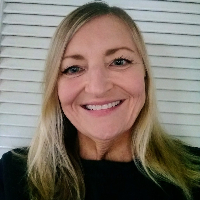
Lisa Fix
LCPC
Illinois
Experienced, compassionate counselor guiding practical change
Continue with LisaAt a glance
- Credentials
- LCPC
- License
- LCPC, Illinois / 180.000656
- NPI
- 1336285493
- Experience
- 33 years
- Languages
- English
- Location
- Illinois
Details come from information the therapist supplied to BetterHelp. A license can be checked with the state board.
-
- Person-centered approach
- Practical feedback
- Longstanding experience
About Lisa
Lisa Fix is a licensed clinical professional counselor (LCPC) in Illinois with 33 years of experience. She chose this work because of a personal background that drew her toward helping others, and she speaks from both professional and lived experience. Lisa aims to make the first step easier by offering a calm, straightforward place to start.
Her practice background includes community mental health, a hospital-based eating disorders program, and a university counseling center. That range shapes how she adapts support for different problems. Lisa draws on several approaches and tailors sessions to each person’s needs rather than using a single fixed method.
In sessions she keeps the tone personal and relaxed. She asks questions, listens closely, and offers direct feedback when clients want it. The pace is set by the person seeking help, and Lisa emphasizes feeling heard and respected throughout the process.
She commonly helps people address stress, anxiety, depression, grief, relationship and intimacy concerns, eating and body-image struggles, addictions, trauma and abuse, sleep problems, anger, self-esteem, bipolar mood concerns, ADHD, and coping with life changes. Additional focuses include communication problems, family of origin issues, and obsessive or compulsive symptoms.
Outside of work she enjoys exercise, gardening, coffee, chocolate, companion animals, and following social justice topics. She encourages people to ask questions and to treat a first contact as a way to see whether it feels like a good fit.
-
How therapeutic approaches translate to online care
Motivational Interviewing is a collaborative way of talking that helps people find their own reasons for change. It focuses on listening, asking open questions, and supporting motivation for steps a person wants to take.
Client-Centered Therapy centers the person’s experience and priorities. The therapist offers empathetic listening and reflection so the person can explore feelings and choices at their own pace.
Cognitive Behavioral Therapy, or CBT, looks at the link between thoughts, feelings, and actions. It often includes practical exercises and small experiments to help reduce anxiety, depressive moods, or unhelpful behavior patterns.
Finding the right approach is part of the work. The therapist will talk with each person about goals and preferences and together decide which methods make the most sense. That collaborative process helps tailor sessions to what a person needs and wants to try.
Session formats are not detailed in the biography, so confirm current options before booking. Online therapy can make it easier to fit sessions into a busy life, allow shorter check-ins when time is limited, and reduce the need to travel. Licensed professionals use these methods to help people practice new skills, manage distressing symptoms, and work toward concrete goals while balancing everyday responsibilities. -
Areas of expertise
Primary focus
Also works with
AddictionsLGBTFamily conflictsTrauma and abuseIntimacy-related issuesSleeping disordersAnger managementSelf esteemBipolar disorderCoping with life changesCompassion fatigueADHDAdditional focus areas
Avoidant personalityBody imageCommunication problemsDependent personalityDivorce and separationEating and food-related issuesFamily of origin issuesFamily problemsForgivenessGuilt and shameMood disordersObsessions, compulsions, and OCDPanic disorder and panic attacksPostpartum depressionSocial anxiety and phobiaWomen's issuesTherapeutic approaches
Client-Centered TherapyCognitive Behavioral Therapy (CBT)Dialectical Behavior Therapy (DBT)Mindfulness TherapyMotivational InterviewingPsychodynamic TherapySolution-Focused TherapyExperience
33+ years
Listed in
Illinois
Languages
English
-
Frequently asked questions
What kinds of concerns does she help with?
She works with a wide range of concerns including stress, anxiety, depression, grief, eating and body-image issues, addictions, trauma and abuse, sleep problems, anger, self-esteem, bipolar mood issues, ADHD, and relationship or intimacy-related problems.
What is her therapeutic style like?
Her approach is personal and relaxed. She listens closely, offers direct feedback when appropriate, and moves at a pace that feels comfortable to the person in therapy.
How long has she been practicing?
She has 33 years of experience working in settings such as community mental health, a hospital-based eating disorders program, and a university counseling center.
What credentials and region are listed?
She is an LCPC, which stands for licensed clinical professional counselor, licensed in Illinois.
Which languages are supported and can international clients connect?
Sessions are offered in English. International clients are not currently accepted.
What session formats are offered?
The original biography does not specify session formats; please confirm current session options before scheduling to know whether in-person, video, or phone sessions are available.
How is cost handled for sessions?
Cost varies with location and therapist availability, and sessions use a subscription that can be canceled at any time.
How do I begin working with this therapist?
Start by selecting the Start Therapy button, complete a short matching questionnaire, and then schedule according to the therapist's availability.
-
Online talk therapy is not emergency or medical care. Stopping or cutting down alcohol or other drugs can be unsafe without medical advice. In immediate danger? Crisis numbers