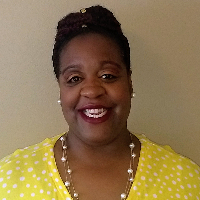
Jameshia Braxton
LCSW
Arkansas
Motivational, practical, person-centered support
Continue with JameshiaAt a glance
- Credentials
- LCSW
- License
- LCSW, Arkansas / 2590-C
- NPI
- 1487800082
- Experience
- 16 years
- Languages
- English
- Location
- Arkansas
Details come from information the therapist supplied to BetterHelp. A license can be checked with the state board.
-
- Motivational focus
- 16 years experience
- Arkansas LCSW
About Jameshia
Jameshia Braxton is a licensed clinical social worker who centers therapy on partnership and motivation. She brings 16 years of experience in outpatient and day treatment settings. Jameshia focuses on helping people find practical steps forward when stress, anxiety, depression, addiction, or relationship strain feels overwhelming.
She uses Motivational Interviewing to help people connect with their own reasons for change. She also draws on Acceptance and Commitment Therapy, Cognitive Behavioral Therapy, Client-Centered Therapy, and Emotionally-Focused Therapy to tailor sessions to each person. Sessions may include straightforward skill practice, gentle reframing of unhelpful thoughts, and real-life homework when it fits.
Clients come seeking help with a wide range of concerns, including parenting challenges, anger, low self-esteem, grief, trauma and abuse, sleep or eating difficulties, ADHD, bipolar mood concerns, and questions about identity or discrimination. She also works with issues such as communication problems, forgiveness, impulsivity, life purpose, and young adult transitions.
Jameshia aims to meet people where they are and to make therapy a collaborative process. She encourages open conversation about goals and adjusts techniques to fit each person’s situation. Her approach is practical, straightforward, and rooted in respect for the client’s own strengths.
Based in Arkansas, she practices as an LCSW and draws on many years of clinical work to help people move toward meaningful change.
-
How therapeutic approaches guide online work
Motivational Interviewing is a conversational method that helps people weigh their own reasons for change and build motivation step by step. It can be useful when someone feels stuck or unsure about making changes in behavior or routines.
Acceptance and Commitment Therapy, or ACT, helps people notice difficult thoughts and feelings without getting carried away by them, while focusing on values-based action. ACT is often helpful for anxiety, depression, and life transitions where the goal is clearer direction rather than immediate symptom removal.
Cognitive Behavioral Therapy, or CBT, targets unhelpful thought patterns and teaches practical skills to change behavior and mood. It can be useful for worry, low mood, sleep problems, and many day-to-day challenges.
Finding the right approach is part of the work together. The therapist will talk with the client about goals, preferences, and what feels most useful. Decisions about techniques and homework are made collaboratively and can shift as progress is made.
If you are considering online sessions, please confirm which session formats are currently offered before booking, since formats were not specified in the biography. Online therapy can make it easier to fit sessions into a busy life, avoid travel time, or use shorter check-ins when schedules demand it. Talk with the therapist about how to structure sessions so they match daily routines and goals. -
Areas of expertise
Primary focus
Also works with
AddictionsLGBTRelationship issuesFamily conflictsTrauma and abuseGriefIntimacy-related issuesEating disordersSleeping disordersCareer difficultiesBipolar disorderCoping with life changesADHDAdditional focus areas
Autism and Asperger SyndromeCommunication problemsDisruptive Mood Dysregulation Disorder (DMDD)Family problemsForgivenessImpulsivityLife purposeMood disordersMulticultural concernsPrejudice and discriminationSelf-loveYoung adult issuesTherapeutic approaches
Acceptance and Commitment Therapy (ACT)Client-Centered TherapyCognitive Behavioral Therapy (CBT)Emotionally-Focused Therapy (EFT)Mindfulness TherapyMotivational InterviewingSolution-Focused TherapyTrauma-Focused TherapyExperience
16+ years
Listed in
Arkansas
Languages
English
-
Frequently asked questions
What concerns does this therapist help with?
She works with a broad range of issues such as stress, anxiety, depression, addictions, parenting challenges, anger, self-esteem, relationships, trauma and abuse, grief, sleep and eating difficulties, ADHD, bipolar mood concerns, and identity-related stress.
What is her therapy style like?
She practices in a collaborative, person-centered way and uses Motivational Interviewing to help people find their own reasons to change. Techniques from CBT, ACT, and Emotionally-Focused Therapy may be added based on needs.
How much clinical experience does she have?
She has 16 years of experience working in outpatient and day treatment settings and has provided individual, group, and family therapy during her career.
What credentials and location apply?
She is an LCSW licensed in Arkansas and practices there.
Which languages are supported and can international clients book?
Sessions are offered in English and she is not accepting international clients at this time.
What session formats are available?
The original biography does not list specific session formats. Please confirm current session options before booking.
How is cost handled for sessions?
Cost varies with location and therapist availability; sessions use a subscription that can be canceled at any time.
How do I begin working with her?
Select the Start Therapy button, complete a short matching questionnaire, and schedule according to the therapist's availability.
-
Online talk therapy is not emergency or medical care. Stopping or cutting down alcohol or other drugs can be unsafe without medical advice. In immediate danger? Crisis numbers