At a glance
- Credentials
- LMFT
- License
- LMFT, California / 122784; LMFT, Montana / BBH-LMFT-LIC-48999
- NPI
- 1962994038
- Experience
- 8 years
- Languages
- English
- Location
- Montana
Details come from information the therapist supplied to BetterHelp. A license can be checked with the state board.
-
- Motivational conversation
- Trauma-informed care
- Short-term goals
About Ida
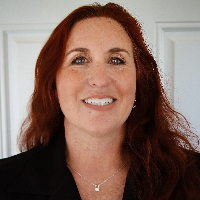
Ida Whitaker is a Licensed Marriage and Family Therapist (LMFT) who centers her work on motivational conversation and practical change. She uses Motivational Interviewing alongside other approaches to help people find reasons to move forward. Ida keeps sessions straightforward and focused on what matters to each person.
Ida earned her MA in Psychology - Marriage and Family Therapy from Azusa Pacific University in 2017. She holds LMFT licenses in Montana and California and has about eight years of clinical experience. Her background includes outpatient treatment, individual and group work, and online sessions.
She helps people dealing with depression, addiction, trauma, relationship strain, parenting concerns, and stress. She also supports issues like ADHD, grief, intimacy concerns, career stress, and copings with life changes. Ida’s additional focus areas include attachment issues, communication difficulties, domestic violence history, and family of origin concerns.
In session Ida blends Motivational Interviewing with Cognitive Behavioral Therapy and Emotionally-Focused Therapy when helpful. She also uses EMDR and solution-focused methods for trauma and short-term goals. The work is collaborative - she listens, reflects, and helps clients set small, doable steps.
People describe her approach as nonjudgmental and team-oriented. She emphasizes practical next steps and supports clients through hard decisions. To begin, people complete a short matching questionnaire and schedule sessions according to the therapist’s availability.
-
How Ida’s approaches work in online therapy
Motivational Interviewing helps people resolve mixed feelings about change by exploring their own goals and values. It is useful when someone is stuck or unsure about making a change, such as with substance use, motivation at work, or new parenting habits.
Cognitive Behavioral Therapy, or CBT, focuses on practical skills to change unhelpful thoughts and behaviors. It often involves setting small experiments or exercises between sessions to test new ways of coping with anxiety, depression, or stress.
Emotionally-Focused Therapy helps people notice and name difficult feelings and then use that clarity to change patterns in relationships or within themselves. It can be helpful for intimacy struggles, grief, or attachment concerns.
Finding the right approach is part of the work. The therapist will collaborate with each person to choose methods that fit their goals and preferences. That may mean trying a motivational style for readiness, CBT tools for day-to-day skills, or emotionally-focused work for relationship patterns.
When planning online sessions, confirm the session formats offered before booking. Online therapy can make it easier to fit sessions into busy days, reduce travel time, and allow more consistent check-ins during life transitions. It can also support shorter, focused meetings when needed, or longer therapeutic work depending on goals and scheduling. -
Areas of expertise
Primary focus
Also works with
Stress, AnxietyLGBTFamily conflictsGriefIntimacy-related issuesParenting issuesSelf esteemCareer difficultiesDepressionCoping with life changesCompassion fatigueAdditional focus areas
Attachment issuesAutism and Asperger SyndromeCommunication problemsControl issuesDependent personalityDisruptive Mood Dysregulation Disorder (DMDD)Domestic violenceDrug and alcohol addictionFamily of origin issuesFamily problemsFertility issuesForgivenessGuilt and shameImpulsivityInfidelityIsolation / lonelinessMidlife crisisVeteran and Armed Forces IssuesMulticultural concernsPost-traumatic stressProcess addiction (porn, exercise, gambling)Self-harmSelf-loveTherapeutic approaches
Cognitive Behavioral Therapy (CBT)Emotionally-Focused Therapy (EFT)Eye Movement Desensitization and Reprocessing (EMDR)Motivational InterviewingSolution-Focused TherapyTrauma-Focused TherapyExperience
8+ years
Listed in
California, Montana
Languages
English
-
Frequently asked questions
What concerns does this therapist help address?
She works with a wide range of concerns including addictions, depression, anxiety, trauma and relationship issues. Additional focuses include ADHD, grief, parenting challenges, intimacy-related issues, and career stress.
What is her therapeutic style like?
Her style is collaborative and practical, using motivational conversation to help people find reasons to change. She often pairs that with strategies from CBT and emotionally focused methods.
How much clinical experience does she have?
She has worked in the field for eight years, providing outpatient care in individual and group settings and conducting online sessions.
What are her credentials and where is she located?
She is a Licensed Marriage and Family Therapist (LMFT) licensed in Montana and California and practices from Montana.
Which languages are supported for sessions?
Sessions are offered in English.
Can people outside the United States work with her?
International clients are not currently accepted.
How are sessions billed and what does it cost?
Cost varies with location and therapist availability; sessions use a subscription model that can be canceled at any time.
How do I begin working with this therapist?
Click the Start Therapy button, complete a short matching questionnaire, and then schedule sessions based on the therapist’s availability.
-
Online talk therapy is not emergency or medical care. Stopping or cutting down alcohol or other drugs can be unsafe without medical advice. In immediate danger? Crisis numbers