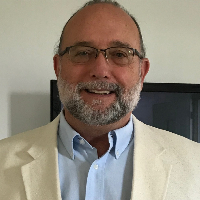
At a glance
- Credentials
- LCSW
- License
- LCSW, Pennsylvania / CW019911
- NPI
- 1306459532
- Experience
- 15 years
- Languages
- English
- Location
- Pennsylvania
Details come from information the therapist supplied to BetterHelp. A license can be checked with the state board.
-
- Motivational interviewing
- Mindfulness based
- Addiction experience
About Donald
Donald Rindfuss is a Licensed Clinical Social Worker (LCSW) with 15 years of experience helping people navigate addiction, grief, trauma, and life transitions. He approaches sessions in a relaxed, down-to-earth way and draws on practical tools from therapy and mindfulness. Donald aims to help people reconnect with their values and move toward a life that feels more meaningful.
He uses plain language in sessions and often blends techniques from Motivational Interviewing, Acceptance and Commitment Therapy (ACT), and Cognitive Behavioral Therapy (CBT). He also brings mindfulness and meditation practices into therapy and sometimes references his background with yoga to teach breathing and grounding skills. Sessions can be brief problem-focused work or longer ongoing support depending on the person’s needs.
Donald trained at the University of Pittsburgh, where he earned a Master of Social Work degree, and he holds a Pennsylvania LCSW credential. Much of his clinical work has centered on addictions, inpatient drug rehabilitation, and veterans’ readjustment concerns from his time at the Veterans Administration. He also has experience with hospice and caregiver stress, aging-related issues, and process addictions.
People who appreciate a calm, conversational approach tend to fit well with his style. He often helps clients facing anxiety, depression, anger, or questions about life purpose and relationships. Donald encourages collaboration and practical steps that match a person’s goals and daily life.
To start, he asks people to describe what matters most to them and builds a plan from there.
-
How evidence-based approaches translate to online therapy
Motivational Interviewing focuses on helping people find their own reasons to change. It uses guided conversation to build motivation and clarify personal goals, which can help with substance use, process addictions, and readiness for change.
Acceptance and Commitment Therapy, or ACT, helps people notice difficult thoughts and feelings while choosing actions that match their values. It is often used for anxiety, depression, grief, and life purpose work and includes exercises you can practice between sessions.
Cognitive Behavioral Therapy, known as CBT, looks at the links between thoughts, feelings, and actions. It teaches practical skills to shift unhelpful thinking and build new habits, which can be useful for stress, anger, and depression.
Finding the right approach is part of the work. The therapist will collaborate with each person to figure out which methods fit their goals, preferences, and daily routine. That decision is revisited as progress is made and needs change.
The biography does not list specific session formats, so confirm current options before booking. Many people find online sessions help fit therapy into a busy life, allow shorter check-ins, or make attending early morning or evening appointments easier. A collaborative plan will consider timing, session length, and homework practices to make therapy practical and usable. -
Areas of expertise
Primary focus
Also works with
Stress, AnxietyGriefAnger managementSelf esteemCareer difficultiesDepressionCoping with life changesCoachingCompassion fatigueAdditional focus areas
AbandonmentAging and geriatric issuesCaregiver issues and stressCodependencyCommitment issuesDrug and alcohol addictionEmptinessForgivenessGuilt and shameHospice and end-of-life counselingLife purposeMen's issuesMidlife crisisVeteran and Armed Forces IssuesProcess addiction (porn, exercise, gambling)Social anxiety and phobiaWorkplace issuesTherapeutic approaches
Acceptance and Commitment Therapy (ACT)Cognitive Behavioral Therapy (CBT)Mindfulness TherapyMotivational InterviewingNarrative TherapyTrauma-Focused TherapyExperience
15+ years
Listed in
Pennsylvania
Languages
English
-
Frequently asked questions
What concerns does he commonly address?
He works with addictions, trauma and abuse, stress, anxiety, grief, anger, self esteem, career concerns, depression, and coping with life changes. Additional focus areas include caregiver strain, process addictions, and issues related to aging and end of life.
What is his general therapy style?
He uses a laid-back, conversational approach and focuses on practical steps. Sessions often mix motivational interviewing, ACT, CBT, and mindfulness exercises to match the person’s needs.
What background and experience supports his work?
He has 15 years of clinical experience including work in drug rehabilitation and with veterans at the Veterans Administration. His training includes a Master of Social Work from the University of Pittsburgh.
What credentials and location are listed?
He is a Licensed Clinical Social Worker (LCSW) licensed in Pennsylvania. His professional background includes clinical roles in addiction and veteran services.
Which languages are available for sessions?
Sessions are offered in English and he accepts international clients.
What formats are used for sessions?
The original biography does not specify session formats, so please confirm the current session options before booking.
How is cost handled?
Cost varies with location and therapist availability; sessions use a subscription that can be canceled at any time.
How do I begin working together?
Select the Start Therapy button, complete a short matching questionnaire, and schedule according to therapist availability.
-
Online talk therapy is not emergency or medical care. Stopping or cutting down alcohol or other drugs can be unsafe without medical advice. In immediate danger? Crisis numbers