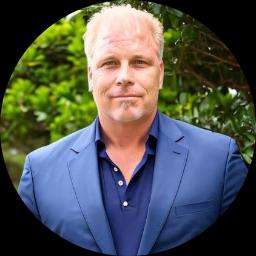
Christopher Korty
LCSW
North Carolina
Change-focused clinical social worker
Continue with ChristopherAt a glance
- Credentials
- LCSW
- License
- LCSW, North Carolina / C006843
- NPI
- 1518137298
- Experience
- 20 years
- Languages
- English
- Location
- North Carolina
Details come from information the therapist supplied to BetterHelp. A license can be checked with the state board.
-
- Motivation-centered care
- Practical skill building
- 20 years experience
About Christopher
Christopher Korty is a Licensed Clinical Social Worker (LCSW) practicing in North Carolina. He helps people who are facing stress, anxiety, depression, mood problems, relationship and parenting concerns, and challenges like addiction, trauma, grief, and low self-esteem. He brings 20 years of professional experience to his work and focuses on practical steps that people can take now.
He listens first and adapts the conversation to each person’s situation. Sessions are used to clarify goals, build skills, and solve problems that feel stuck. Christopher names options, explores motivation, and helps people try small changes that can lead to bigger improvements over time.
His work draws on methods from cognitive behavioral therapy, dialectical behavior therapy, and motivational interviewing. That means he might help a person notice unhelpful thinking, practice emotion regulation skills, or strengthen commitment to change. The exact mix of approaches is chosen with the person in the room.
Christopher aims to treat everyone with respect, sensitivity, and compassion. He emphasizes clear, straightforward conversation rather than jargon. He supports people through major life transitions, impulsivity or attention challenges, and issues tied to identity and purpose.
People who reach out can expect a collaborative process. Christopher helps set goals and checks in about progress as work continues. If you want to begin, follow the site’s next steps to match and schedule according to current availability.
-
Approaches in online work and how they help
Motivational interviewing is a conversational approach that focuses on increasing a person’s readiness to change. It uses open questions and reflective listening to help someone resolve mixed feelings and find internal reasons to try new behaviors.
Cognitive behavioral therapy, or CBT, looks at how thoughts, feelings, and actions connect. It helps people identify unhelpful thinking patterns and practice concrete strategies to reduce anxiety, depression, or mood swings.
Dialectical behavior therapy, known as DBT, teaches practical skills for managing intense emotions and improving relationships. It is often used when impulse control and strong emotional reactions make everyday life difficult.
Finding the right approach is part of the work. The therapist will talk with each person about goals, preferences, and what feels most useful. Together they choose which methods to focus on and adjust the plan as progress is made.
Confirm which session formats are currently offered before booking, since specific formats were not listed in the biography. Online work can make it easier to fit therapy into a busy schedule, reduce travel time, and allow shorter check-ins when time is limited. These practical benefits often help people maintain steady progress between sessions. -
Areas of expertise
Primary focus
Also works with
AddictionsTrauma and abuseGriefIntimacy-related issuesEating disordersParenting issuesCareer difficultiesBipolar disorderDepressionCoping with life changesCompassion fatigueADHDAdditional focus areas
Communication problemsDisruptive Mood Dysregulation Disorder (DMDD)Family problemsForgivenessImpulsivityLife purposeMen's issuesYoung adult issuesTherapeutic approaches
Cognitive Behavioral Therapy (CBT)Dialectical Behavior Therapy (DBT)Motivational InterviewingExperience
20+ years
Listed in
North Carolina
Languages
English
-
Frequently asked questions
What kinds of problems does Christopher address?
He supports people with stress, anxiety, depression, bipolar mood concerns, addiction, trauma and abuse, grief, relationship and intimacy issues, parenting and family problems, eating and career concerns, and related areas such as anger and self-esteem.
How would you describe his therapeutic style?
He works in a direct, collaborative way that focuses on clear goals and practical steps. Conversations typically explore motivation, coping skills, and ways to change patterns that cause distress.
How much experience does he have?
He has 20 years of professional experience working with individuals on a wide range of emotional and behavioral concerns.
What credentials and region should I know about?
He is a Licensed Clinical Social Worker, LCSW, licensed in North Carolina.
In what language are sessions provided?
Sessions are offered in English.
What session formats are available?
Please confirm current session options before booking since the original biography does not specify formats.
How much do sessions cost?
Cost varies with location and therapist availability, and sessions use a subscription that can be canceled at any time.
How do I begin working with him?
Select the Start Therapy button, complete the short matching questionnaire, and then schedule according to the therapist’s availability.
-
Online talk therapy is not emergency or medical care. Stopping or cutting down alcohol or other drugs can be unsafe without medical advice. In immediate danger? Crisis numbers