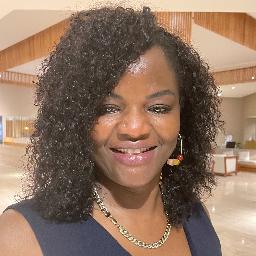
At a glance
- Credentials
- LCSW
- License
- LCSW, Oregon / L10747
- NPI
- 1386818656
- Experience
- 7 years
- Languages
- English, Lingala
- Location
- Oregon
Details come from information the therapist supplied to BetterHelp. A license can be checked with the state board.
-
- Motivational approach
- Client-centered care
- Focus on relationships
About Ramata
Ramata Adebawo is a Licensed Clinical Social Worker (LCSW) in Oregon who helps people handle stress, anxiety, depression, grief, relationship and intimacy challenges, and parenting concerns. She works with people facing trauma, discrimination, caregiver strain, career shifts, addiction, and identity-related issues. Ramata speaks English and Lingala and brings seven years of clinical experience to her practice.
She describes her style as empathetic and client-centered. Sessions focus on listening first, then setting goals together. She combines practical tools with a collaborative approach so clients can try small changes that fit their daily life.
Ramata draws on motivational interviewing to help people find their own reasons for change and build commitment. She also uses cognitive behavioral strategies to identify and shift unhelpful thinking patterns. Attachment-based ideas guide how she looks at relationship patterns and emotional needs.
Clients can expect straightforward skill-building, gentle reflection, and problem-solving. Ramata pays attention to cultural background and life experience when shaping a plan. Her work emphasizes using strengths and small, achievable steps toward clearer goals.
Her approach is meant to be practical and humane. She aims to be an advocate and partner in the work. People seeking help with immigration stress, multicultural concerns, women’s issues, or young adult transitions may find these themes are woven into sessions when relevant.
-
How her approaches translate to online work
Ramata uses motivational interviewing to help people clarify their goals and strengthen motivation for change; this approach focuses on asking open questions, reflecting back what a person says, and helping people find their own reasons to act. Attachment-based ideas are used to look at how early and current relationship patterns influence feelings and behavior, which can help with intimacy and relationship concerns. Client-centered therapy keeps sessions focused on the person's priorities, using empathic listening to guide problem solving and decision making.
Finding the right way of working is part of the process. Ramata will collaborate with each person to choose which approaches fit their goals and comfort level. She adjusts techniques based on what the client needs and what seems most helpful in session.
If you are considering online therapy, confirm the current session options before booking since formats are not listed here. Online work can make it easier to fit sessions into a busy week, shorten commute time, and allow for shorter check-ins when schedules are tight. It can also allow more consistent access to a therapist when juggling caregiving, work, or school obligations. Licensed professionals can use remote sessions to teach coping skills, practice new communication patterns, and follow up on progress in between life events. -
Areas of expertise
Primary focus
Also works with
AddictionsLGBTRelationship issuesFamily conflictsGriefIntimacy-related issuesAnger managementDepressionCoping with life changesCoachingCompassion fatigueAdditional focus areas
Caregiver issues and stressForgivenessImmigration issuesMidlife crisisMulticultural concernsPost-traumatic stressPrejudice and discriminationWomen's issuesYoung adult issuesTherapeutic approaches
Attachment-Based TherapyClient-Centered TherapyCognitive Behavioral Therapy (CBT)Dialectical Behavior Therapy (DBT)Emotionally-Focused Therapy (EFT)Motivational InterviewingPsychodynamic TherapySolution-Focused TherapyTrauma-Focused TherapyExperience
7+ years
Listed in
Oregon
Languages
English, Lingala
-
Frequently asked questions
What concerns does Ramata commonly address?
She helps people with stress, anxiety, depression, grief, relationship and intimacy issues, parenting strain, and addiction concerns, plus multicultural and immigration-related stress.
How would you describe her therapeutic style?
Her style is empathetic and client-centered. She listens first, then works collaboratively to set practical goals and steps.
What is her clinical background?
Ramata has seven years of experience as a therapist and has worked in diverse community settings that shaped her cultural approach.
What credentials and location are listed?
She is a Licensed Clinical Social Worker (LCSW) practicing in Oregon.
Which languages are available for sessions?
Sessions are offered in English and Lingala.
Can international clients work with her?
She is not accepting international clients at this time.
How are session costs handled?
Cost varies with location and therapist scheduling; sessions use a subscription model that can be canceled at any time.
How do I begin therapy with her?
Use the Start Therapy button, complete a short matching questionnaire, and then schedule according to the therapist's availability.
-
Online talk therapy is not emergency or medical care. Stopping or cutting down alcohol or other drugs can be unsafe without medical advice. In immediate danger? Crisis numbers